


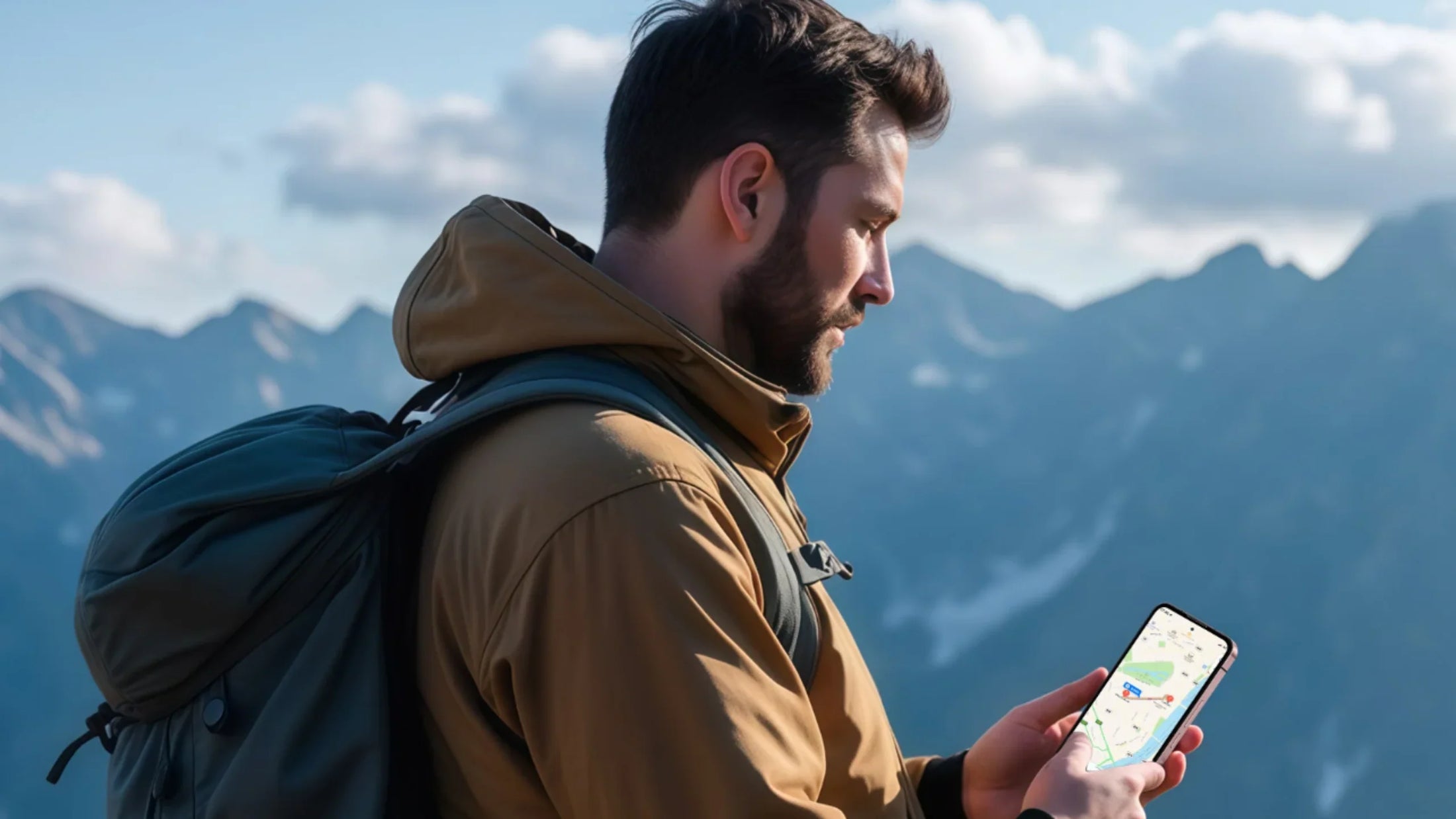
GPS is one of the most essential features of modern smartphones. Whether you're navigating a new city, tracking your workout, finding your hiking route, surveying land, or coordinating work in remote field environments, GPS ensures you always know where you are.
But have you ever wondered how GPS actually works in smartphones
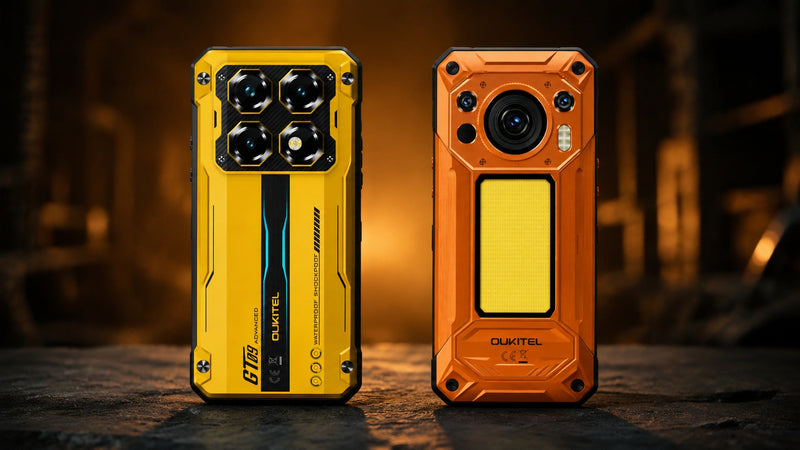
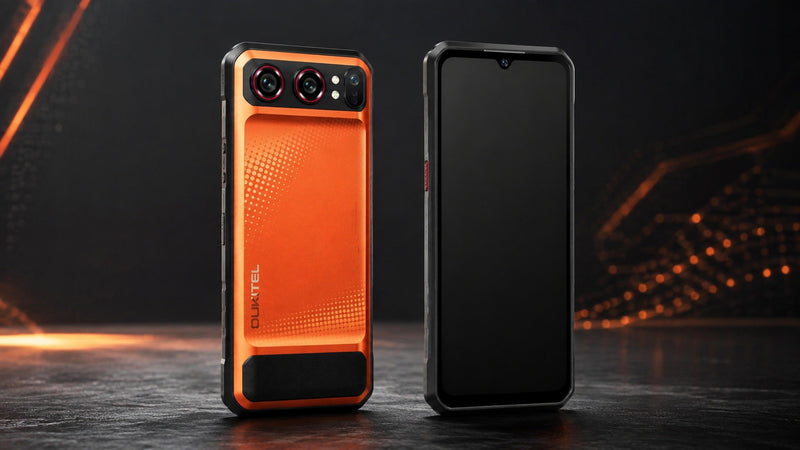
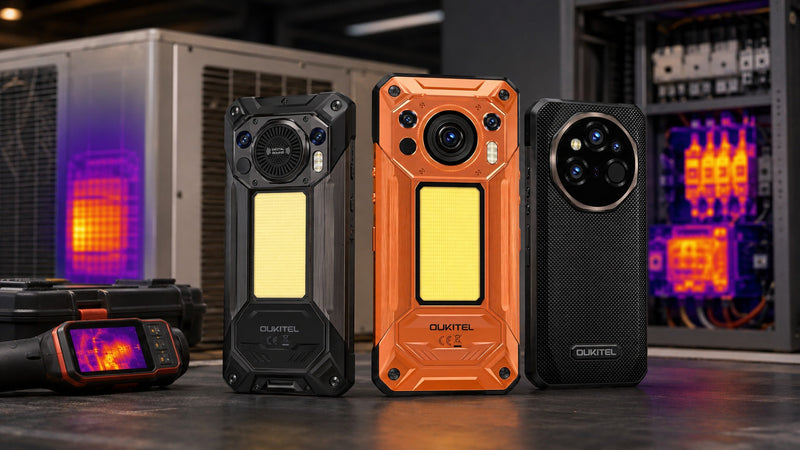
In rugged phones such as the OUKITEL WP210, WP60, WP56, WP33 Pro, and others the GPS system doesn’t just help with navigation. It becomes a critical tool for outdoor workers, adventurers, travelers, and anyone who depends on accurate, reliable positioning in challenging environments.
This simple 2026 guide explains how GPS works, why rugged smartphones enhance GPS performance, and how the WP210 uses advanced positioning hardware to deliver strong accuracy even in remote or high-interference environments.
What Is GPS and Why Do Smartphones Use It?
GPS (Global Positioning System) is a satellite-based navigation network originally developed for military use and later opened to civilians. Today, it's one of the most widely used technologies across smartphones, vehicles, and smart devices.
Smartphones use GPS for:
- Navigation (Google Maps, Waze, offline maps)
- Emergency location accuracy
- Fitness tracking
- Delivery and fleet routing
- Outdoor sports
- Location tagging in photography
- Surveying and field data collection
Rugged smartphones, especially OUKITEL models, often use multiple satellite systems for better accuracy and reliability.
How GPS Works in Smartphones: The Simple Version

Your smartphone doesn’t magically know where you are. It calculates your position using a process called trilateration.
Here’s the simple explanation:
Step 1: Satellites Send Signals
At any given moment, there are at least 30+ GPS satellites orbiting Earth.
Each satellite constantly broadcasts:
- Its location
- The time the signal was sent
Step 2: Your Smartphone Listens
Smartphones contain a GPS receiver, a hardware chip that listens for signals from multiple satellites above.
Step 3: The Phone Calculates Distance
Because radio waves travel at the speed of light, the phone calculates the distance to each satellite based on:
How long the signal took to reach the device.
Step 4: Trilateration Determines Your Position
Your phone needs signals from at least 3 satellites to estimate location. With 4 or more satellites, accuracy becomes precise.
Trilateration means:
- One satellite gives you a rough sphere of where you might be
- Two satellites narrow it down
- Three satellites pinpoint your position
- Four satellites confirm altitude and refine accuracy
And that’s how your phone determines your exact position on Earth, usually within 3 to 10 meters[a]. And unlike standard phones, OUKITEL's Dual-Frequency GPS (L1+L5) capability (if supported by WP210) allows it to filter out signal reflections in cities, providing lane-level accuracy.
Smartphones Use More Than Just GPS

While “GPS” is used as a general term, smartphones actually connect to multiple global navigation satellite systems (GNSS):
GPS (USA)
Most common system, primary source for global navigation.
GLONASS (Russia)
Improves accuracy in northern regions and dense urban areas.
Galileo (Europe)
Provides extremely precise timing and positioning.
Beidou (China)
Improves accuracy in Asia and global navigation performance.
QZSS (Japan)
Enhances GPS performance in Asia-Pacific.
Smartphones that use all these systems together get:
- Faster lock-on speed
- Better accuracy in cities
- Better performance in remote landscapes
- More dependable navigation for field workers
OUKITEL rugged phones typically support GPS + GLONASS + Galileo + Beidou, making them highly reliable for outdoor use.
How the OUKITEL WP210 Enhances GPS Performance

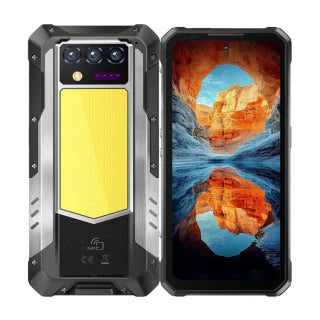
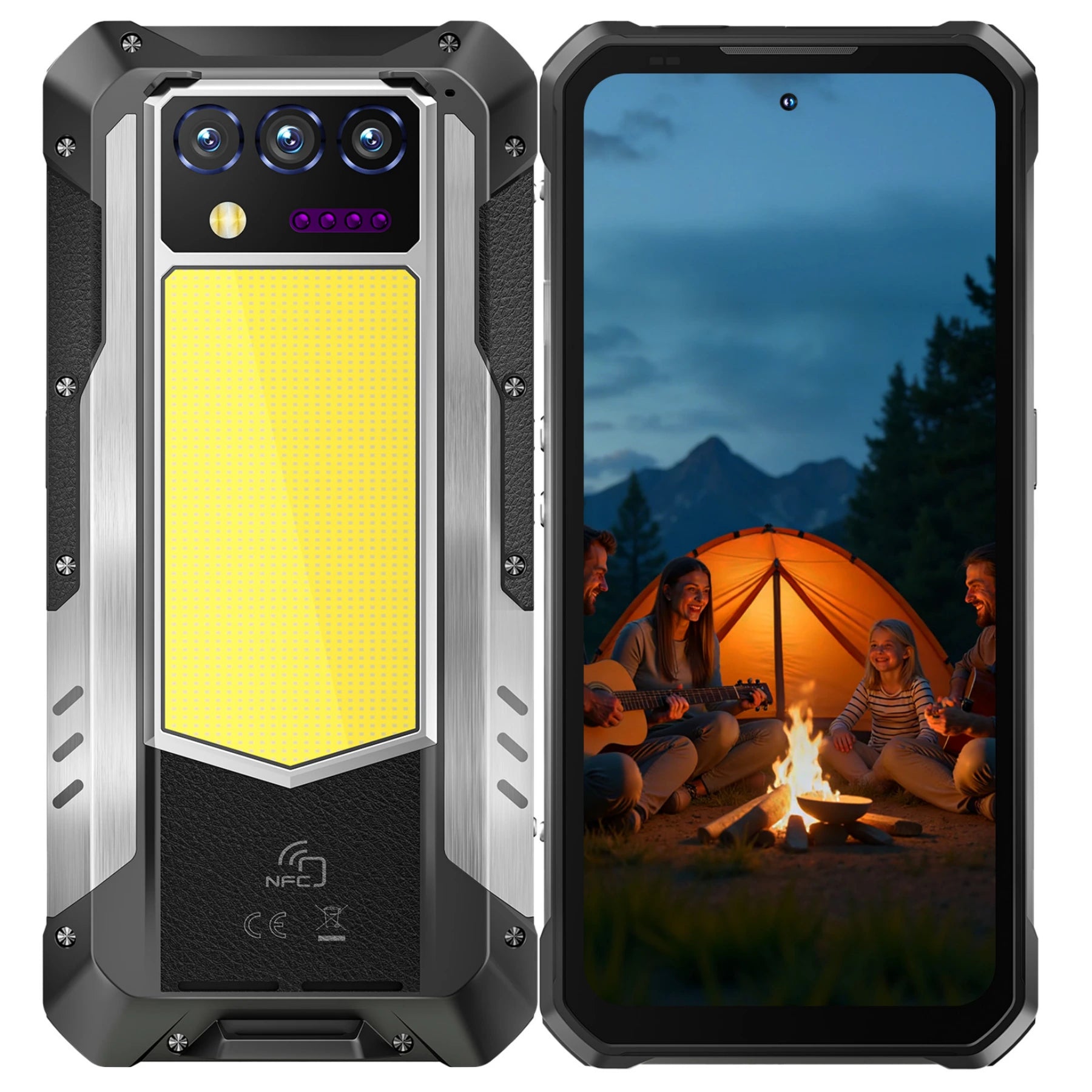
The WP210 is a 5G rugged smartphone built for field work, outdoor travel, and environments where navigation accuracy can be critical.
Key WP210 features that improve GPS usage:
- Elite-Level Navigation: Supports GPS (L1+L5) + GLONASS + Beidou + Galileo for maximum global coverage.
- Large 8800mAh battery for extended GPS sessions
- 5G connectivity for assisted GPS (A-GPS)
- Android 15 optimization for faster satellite locking
- Rugged IP68/IP69K protection works in rain, mud, and harsh outdoor conditions
- MIL-STD-810H certification survives shocks and drops without GPS interference
- 6.7" FHD+ AMOLED display better outdoor visibility
- Reverse charging useful for powering GPS accessories in the field
These features make the WP210 ideal for:
- Construction and surveying teams
- Delivery fleets
- Utility technicians
- Mountain hikers
- Long-distance travelers
- Remote exploration
- Agricultural workers
- Emergency responders
GPS on a rugged device like the WP210 isn’t just a convenience, it's a tool for safety, navigation, and accurate field documentation.
What Is A-GPS and How Does It Help?
Modern smartphones don’t rely only on satellites. They also use something called A-GPS (Assisted GPS).
A-GPS uses:
- Cell towers
- Wi-Fi networks
- Network timing
- Cached satellite data
This speeds up location detection significantly.
Benefits:
- Faster “first fix” location
- Better performance in cities or indoors
- Improved stability when satellite signals are weak
5G phones like the WP210 can process A-GPS data even faster, making navigation smoother.
Overcoming Signal Barriers: How Rugged Phones Stay Connected
Even though GPS works globally, some conditions interfere with signal quality.
GPS may struggle in:
- Dense forests
- Valleys
- Tunnels
- Indoors
- Urban skyscraper zones (“urban canyons”)
- Heavy cloud cover
- Areas with metal obstructions
Rugged phones are built to operate in these environments thanks to:
Stronger antennas
Better hardware and orientation design.
Multiple GNSS support
More satellites = better accuracy.
Large batteries
High-precision navigation requires energy, and the WP210's large battery (8,800mAh) is perfectly designed to support this demand, ensuring reliable GPS performance in the most challenging environments.
Outdoor-optimized displays
Brighter screens make maps visible under sunlight.
Durable build
GPS hardware isn’t affected by drops, moisture, or shocks.
This is why rugged smartphones outperform mainstream devices during outdoor navigation.
How GPS Helps Rugged-Phone Users in Real Life
Here are real scenarios where rugged phones like the WP210 shine:
Construction & Engineering Work
GPS helps workers map coordinates, find equipment, and navigate large job sites.
Hiking, Camping & Wilderness Exploration
Reliable location tracking is vital for safety.Combined with an 8800mAh battery, WP210 can run GPS all day.
Security, Patrol & Emergency Services
Accurate location tracking improves response times and team coordination.
Farming & Agriculture
GPS supports land mapping, crop planning, and autonomous equipment guidance.
Field Inspections
Technicians rely on GPS for documenting site locations and navigating remote areas.
Delivery & Fleet Services
Drivers depend on accurate routes and real-time updates.
Fishing & Marine Use
Rugged phones with IP68/IP69K protection are ideal for wet marine environments.
Tips to Improve GPS Accuracy on Any Android Phone
These simple steps work especially well on rugged devices:
Turn On High Accuracy Mode
Settings → Location → Location Mode → High Accuracy
Keep Mobile Data Enabled
(Improves A-GPS performance)
Update System & Apps
GPS precision is continuously optimized with system updates.
Restart Location Services
Toggle Airplane Mode ON and OFF.
Enable Wi-Fi Scanning
Even without Wi-Fi networks, scanning improves GPS accuracy.
Use Offline Maps for Remote Areas
Helpful in mountains and forests.
Avoid Battery Saver Mode
It limits GPS performance.
Rugged Phones with Excellent GPS Performance (OUKITEL Examples)
Here are standout models for navigation-heavy users:
OUKITEL WP210
- 5G, multi-GNSS
- 8800mAh long runtime
- AMOLED display for outdoor visibility
OUKITEL WP60
- Extra-large 7.2-inch screen
- Strong GPS performance
- Great for map reading
OUKITEL WP56
- 16,000mAh massive battery
- Long-term GPS reliability
OUKITEL WP33 Pro
- Extra-loud speaker
- Ideal for navigation alerts outdoors
Frequently Asked Questions
How does GPS work on smartphones?
Your phone receives satellite signals and calculates position using trilateration.
Do smartphones use systems other than GPS?
Yes GLONASS, Galileo, and Beidou.
Why do rugged phones have better GPS stability?
Large batteries, durable design, strong antennas, and multi-satellite support.
Does the WP210 have good GPS?
Yes, it uses multi-GNSS systems and 5G-assisted GPS for fast, accurate navigation.
Does GPS work without the internet?
Yes, but the internet improves speed and accuracy (A-GPS).
How does the indoor environment affect the GPS signal?
Indoor environments with thick walls or materials like metal and concrete can weaken or block GPS signals, reducing accuracy or making GPS unavailable.
Conclusion
Understanding how GPS works in smartphones helps you appreciate the technology we rely on every day. GPS uses satellites, trilateration, and assisted systems to determine your exact position, a process that becomes even more powerful when paired with rugged phones designed for outdoor and field use.
The OUKITEL WP210 and other rugged models provide:
- Strong multi-system GPS
- Large batteries
- Durability
- Bright displays
- Fast 5G connectivity
making them the ideal choice for navigation-heavy environments in 2026 and beyond.


Leave a comment
Your email address will not be published. Required fields are marked *