
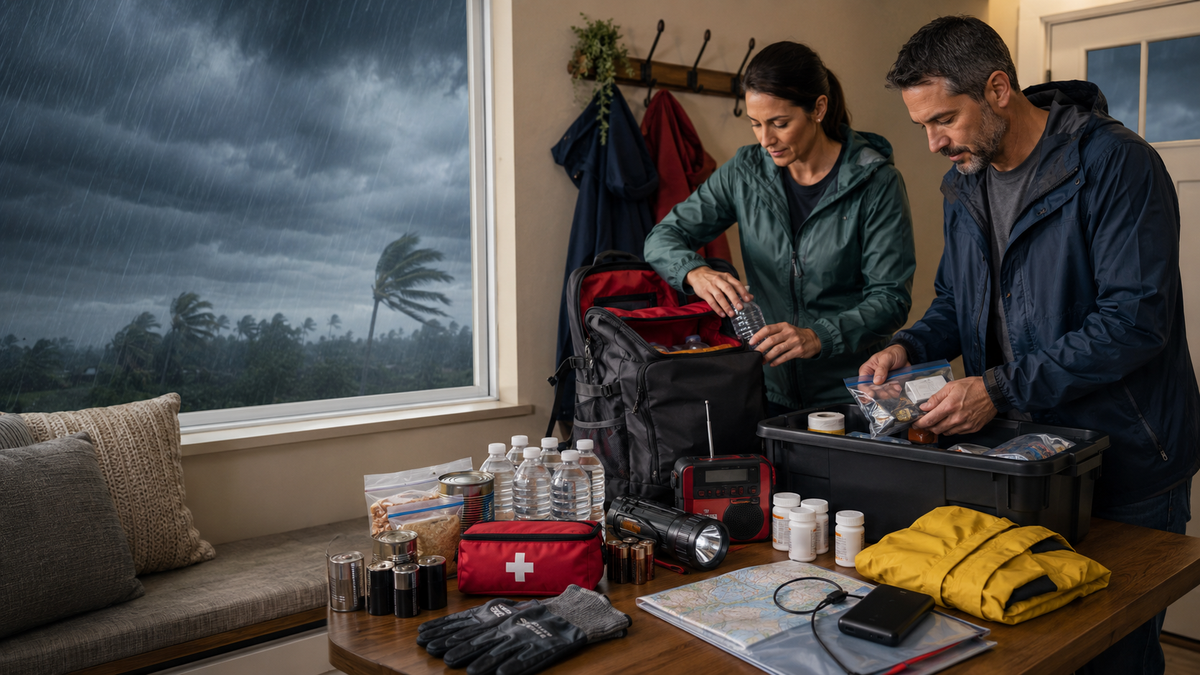
A hurricane emergency kit should include drinking water, ready-to-eat food, medication, first aid supplies, flashlights, batteries, a weather radio, protective clothing, cash, and copies of essential documents. Pack these items in portable, waterproof containers so your household can manage extended outages or leave quickly if evacuation becomes necessary. This guide explains what to pack, how to protect critical supplies, and what to check before the storm arrives.
How to Build a Hurricane Emergency Kit
A useful hurricane kit should support both sheltering at home and evacuating with limited notice. Store larger household supplies in durable containers, then prepare a smaller go-bag with the items each person must carry.
Plan for Hurricane Risks and Evacuation Needs
Start with the hazards most likely to affect your location. Strong winds may damage roofs and interrupt electricity, while storm surge and flooding can block roads, contaminate water, and force evacuation. Check whether your home is in an evacuation or flood zone and identify more than one route to safety.
Estimate how long your household may need to manage without stores, utilities, or medical services. Account for every family member, including infants, seniors, pets, and anyone who depends on medication or powered medical equipment.
Use waterproof containers for supplies stored at home and smaller water-resistant bags for evacuation. Keep medication, identification, cash, keys, chargers, and other difficult-to-replace items near the top. Avoid making one bag too heavy; divide supplies among household members based on what each person can safely carry.
Hurricane Emergency Kit Packing List
|
Category |
What to Pack |
Why It Matters |
|
Food and water |
Drinking water and ready-to-eat food for each household member, a manual can opener, and pet food based on the expected outage or evacuation period |
Supports basic needs when stores, cooking equipment, and water service are unavailable |
|
Health and hygiene |
Prescription medication, first aid supplies, soap, wipes, sanitation items, and any infant, menstrual, or disability-related supplies |
Supports medical needs and personal hygiene when normal services are disrupted |
|
Lighting and tools |
Flashlights, spare batteries, a battery-powered weather radio, whistle, multi-tool, and waterproof matches |
Provides lighting, official updates, and support for minor tasks |
|
Clothing and protection |
Rain gear, sturdy shoes, work gloves, masks, dry clothing |
Protects against rain, debris, contaminated water, and cleanup hazards |
|
Personal essentials |
Cash, keys, identification copies, insurance details, printed contacts |
Supports evacuation, purchases, shelter registration, and identity verification |
Review expiration dates and seasonal needs regularly. Keep the kit where it can be reached without entering a garage, basement, or other area that may flood or become unsafe during the storm.
Protect Documents and Critical Supplies
Floodwater, wind-driven rain, and rushed evacuation can damage or separate you from items that are difficult to replace. Protect them in advance and keep the most important supplies together.

Protect Personal, Insurance, and Medical Records
Place copies of identification, insurance policies, prescriptions, medical information, property records, and emergency contacts in a sealed waterproof pouch. Keep password-protected digital copies in secure cloud storage or on an encrypted drive so they remain accessible if the paper versions are lost. Ready.gov also recommends storing important documents electronically or in awaterproof container.
Keep Medication and Essential Supplies Dry
Keep medication in its original labeled packaging inside a watertight container. Include a medication list, prescription copies, dosage instructions, allergies, and the prescribing doctor’s contact details. For insulin or other temperature-sensitive medication, prepare an approved cooling method and follow the storage guidance from your pharmacist or manufacturer. TheFDA’s hurricane guidance recommends planning for refrigerated medication before the storm.
Protect Electronics From Water Damage
Power down spare phones, radios, and other electronics before placing them in waterproof pouches. Keep the primary phone powered on, charged, and accessible for alerts and evacuation updates. Store charging cables with the devices and keep everything above likely flood levels. Do not charge, switch on, or connect equipment that has become wet until it has been professionally assessed.
Organize Critical Items for Quick Access
Use labeled pouches for documents, medication, electronics, and evacuation essentials. Keep identification, keys, cash, medication, and communication devices in the top section of the go-bag rather than beneath food or clothing. Make sure another trusted household member knows where these items are stored in case the usual decision-maker is unavailable.
Stay Connected and Navigate During the Storm
Hurricanes can interrupt electricity, internet access, and mobile service while making familiar roads unusable. Use several communication and navigation methods so one failure does not leave your household without information.

Follow Weather Alerts and Evacuation Orders
Enable Wireless Emergency Alerts and follow updates from the National Weather Service, local emergency management agencies, and utility providers. Distinguish between a hurricane watch, which means hurricane conditions are possible, and a warning, which means those conditions are expected. Complete preparations and follow evacuation instructions before travel becomes dangerous. If local authorities issue an evacuation order, leave using the recommended route rather than waiting for conditions to worsen.Ready.gov advises residents in mandatory evacuation zones to leave immediately when instructed.
Keep Printed Contacts and Evacuation Routes
Carry a printed list of family contacts, shelters, hospitals, utility numbers, and one out-of-area contact who can coordinate updates. Mark at least two evacuation routes on a paper map, including meeting points and destinations outside the flood or storm-surge zone. Printed information remains useful when phones lose power or networks become unavailable.
Download Offline Maps and Emergency Information
Download maps for your home area, evacuation routes, and planned destination before the storm. Save shelter addresses, reservation details, medical information, and local emergency instructions for offline access. Refresh this information before each hurricane because road closures, shelter locations, and evacuation zones may change.
Keep Reliable Communication Ready on the Move
Carry a charged phone, power bank, charging cable, and battery-powered weather radio. Use text messages for short family updates and preserve voice calls for urgent situations. Agree on check-in times so household members do not drain their batteries repeatedly trying to make contact.
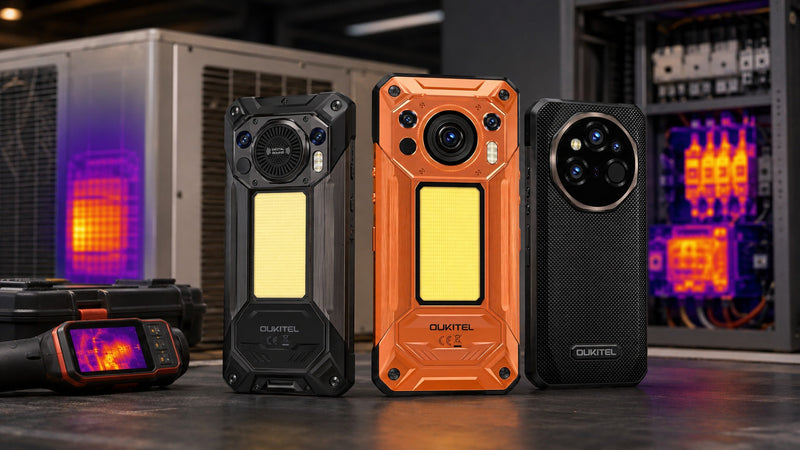
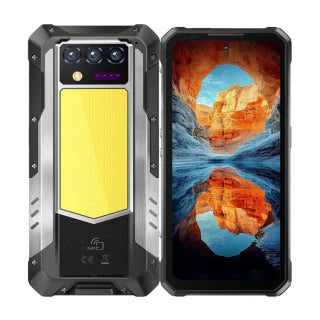
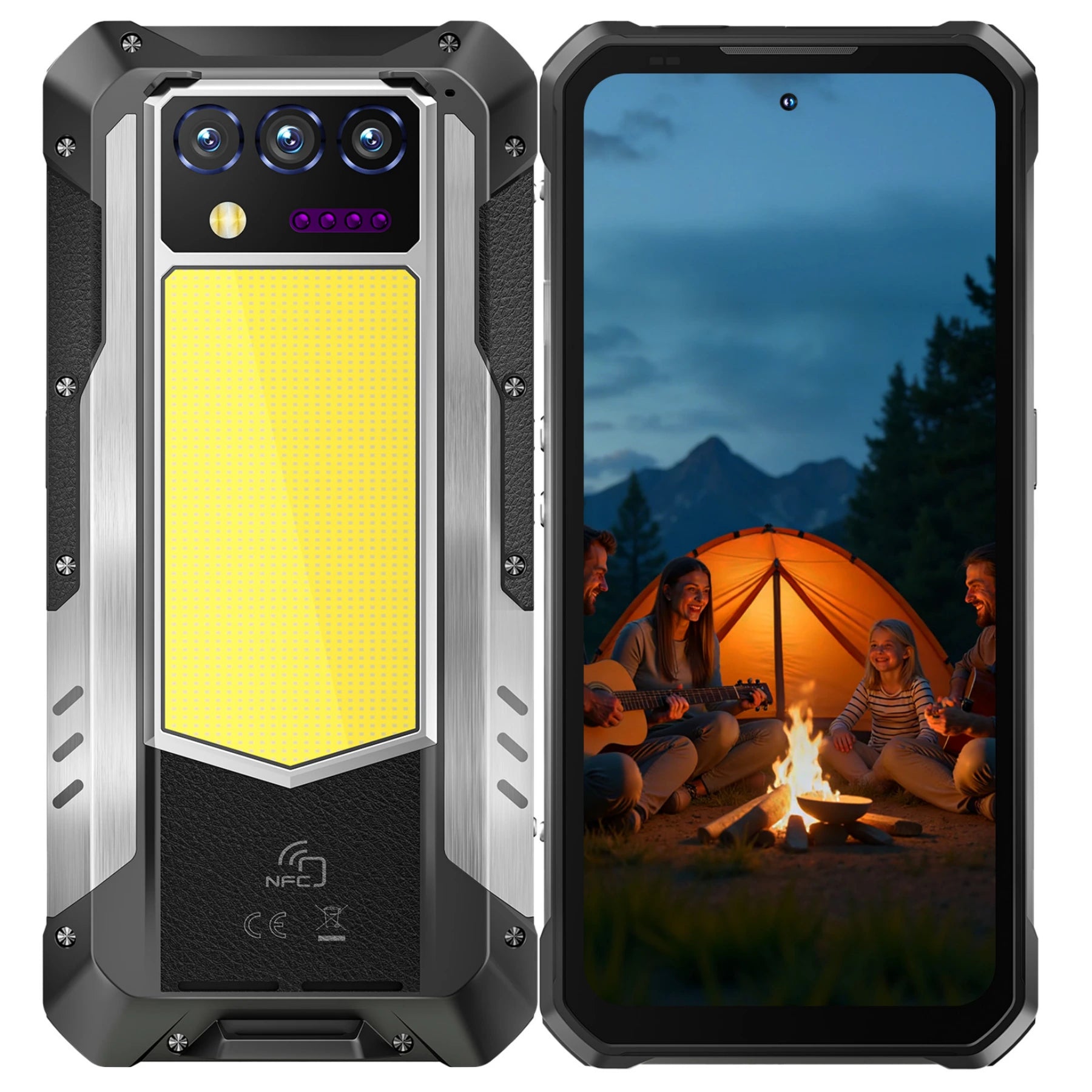
During a hurricane, a phone can provide alerts, downloaded maps, evacuation updates, and family communication. The OUKITEL WP68 Air supports extended use with its 8,000mAh battery. Its IP68 and IP69K ratings indicate tested resistance to water and dust under specified conditions, while MIL-STD-810H testing covers selected environmental and impact scenarios. These protections do not make the phone immune to floodwater, saltwater, or physical damage, so keep it charged and stored in a waterproof, accessible section of the emergency kit.
Prepare Your Household for Hurricane Evacuation
An evacuation plan should define who handles each task, where everyone will go, and how the household will respond if members become separated. Complete these decisions before local roads and shelters become crowded.

Assign Emergency Roles and Communication Plans
Assign one person to monitor official instructions, one to collect documents and medication, and another to prepare children, pets, or transportation. Choose a household meeting point and an out-of-area contact who can receive updates from separated family members. Make sure everyone knows the evacuation destination and backup location.
Plan for Children, Seniors, and Medical Needs
Prepare identification cards and comfort items for children, and place mobility aids, hearing-device batteries, glasses, and medication where they can be loaded quickly. People who need powered medical equipment or physical assistance may need to evacuate earlier. Confirm how essential equipment will be powered and transported.
Arrange Safe Transport and Shelter for Pets
Use secure carriers or restraints and pack food, water, medication, waste supplies, vaccination records, and a recent photo of each pet. Confirm which shelters or hotels accept animals because general public shelters may have restrictions. Arrange backup transportation if the primary vehicle cannot accommodate household members and pets safely.
Confirm Accessible Routes and Shelter Options
Identify more than one official evacuation route and note any low-lying roads, bridges, or sections that may close during flooding or high winds. Follow current instructions rather than relying only on the route planned before the storm. Confirm that the destination can meet mobility, medical, language, and pet-related needs. Keep the vehicle fueled or charged, identify pickup assistance if no vehicle is available, and select a backup shelter in case the first location reaches capacity.
Complete a Final Check Before the Storm
Complete the final check before wind and rain make travel or outdoor preparation unsafe. Focus on equipment that must work immediately and plans that may have changed since the kit was packed.
Test Equipment and Secure Essential Supplies
Fully charge phones, power banks, medical devices, and rechargeable lights. Test flashlights, radios, backup batteries, and charging cables instead of assuming stored equipment still works. Seal medication, documents, and electronics in waterproof containers, then move them above expected flood levels. Place go-bags near the planned exit without blocking the route.
Confirm Shelter, Contacts, and Evacuation Plans
Check whether your planned shelter is open, accepting pets, and able to meet accessibility or medical needs. Confirm transportation, fuel or battery range, pickup times, and backup routes. Send the final destination and expected departure time to your out-of-area contact.
Before preparations end, verify that you have:
- Charged phones, power banks, and emergency devices
- Tested flashlights, radios, and backup equipment
- Moved critical supplies above possible flood levels
- Confirmed contacts, meeting points, and evacuation routes
- Checked shelter availability and transportation plans
FAQ
How Heavy Should a Hurricane Go-Bag Be?
There is no fixed weight for every person. The bag should be light enough to carry safely over distance, stairs, and crowded evacuation routes. Test it before hurricane season by walking with it for several minutes and climbing stairs if appropriate. Divide shared supplies among adults and prepare lighter bags for children, seniors, and anyone with limited mobility.
Do Public Hurricane Shelters Provide Food and Water?
Some shelters provide basic food and water, but availability and accommodations vary. Bring your own essential supplies, especially medication, dietary items, infant supplies, and anything needed during the first several hours.
Can You Bring an Emergency Kit to a Public Shelter?
Yes, but space may be limited and certain items may be prohibited. Use a compact, clearly labeled bag and check local shelter rules concerning pets, medical equipment, tools, fuel, and oversized belongings.
What Should You Prepare If You Must Evacuate Without a Car?
Confirm public transportation, community pickup points, or assistance from local emergency services in advance. Carry a lightweight go-bag, printed route information, identification, medication, water, and a charged phone. Leave early because transportation options may become limited.
What Items Should You Leave Out of a Hurricane Kit?
Avoid unnecessary valuables, heavy duplicate items, perishable food, leaking containers, and equipment you do not know how to operate. Do not pack gasoline, propane cylinders, fireworks, weapons, or other items prohibited by shelters or public transportation.
Conclusion
A hurricane emergency kit should protect your household through outages while remaining organized enough for a quick evacuation. Review the kit before each hurricane season, replace expired supplies, and adjust it whenever your household, medical, or transportation needs change.





Leave a comment
Your email address will not be published. Required fields are marked *