
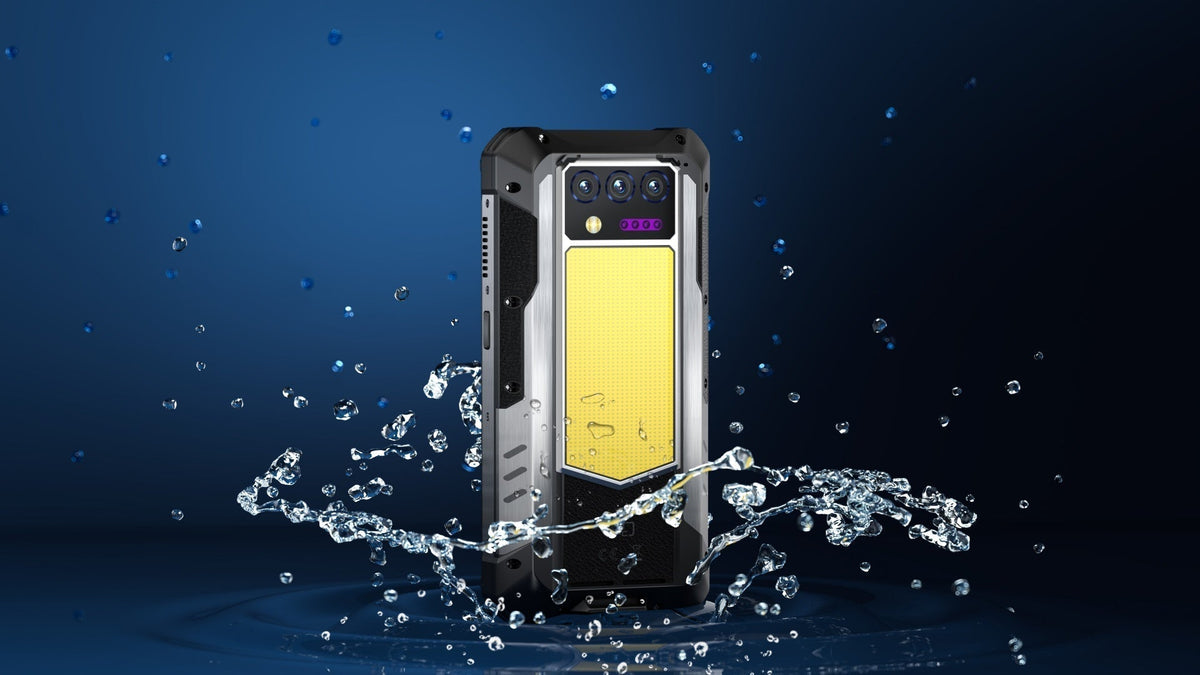
When buying a rugged phone, IP68 and IP69K are two ratings you will often see. Both describe protection against dust and water, but they do not mean the same thing. IP68 focuses on dust protection and water immersion, while IP69K focuses on high-pressure, high-temperature water spray. Knowing the difference helps you choose a phone that matches daily carry, outdoor travel, or demanding jobsite use.
What Do IP Ratings Mean on Rugged Phones?

IP ratings show how well a phone enclosure resists dust and water under controlled test conditions. The first digit measures protection against solid particles, such as dust. The second digit measures water protection, including splashes, immersion, or water jets.
For rugged phone buyers, this matters because appearance alone does not prove durability. A thick body may look tough, but an IP rating gives a clearer way to compare dust and water resistance across different models.
What Does IP68 Mean for Rugged Phone Protection?
IP68 is one of the most common ratings you will see on rugged phones. It means the phone is designed to block dust completely and resist water immersion under specific test conditions. For buyers, IP68 is mainly about protection from daily water accidents, outdoor moisture, rain, mud, and dusty environments.
Full Dust Protection
The “6” in IP68 means the phone has the highest dust protection level in the IP rating system. In practical use, this helps protect the phone from fine particles that can appear in outdoor work, construction sites, warehouses, workshops, trails, and dry travel environments.
This matters because dust can affect ports, speakers, buttons, and internal sealing over time. A rugged phone with IP68 protection is a better fit if you often deal with:
- Dusty jobsites
- Sand, dirt, or gravel
- Outdoor trails and camping areas
- Warehouses or industrial spaces
- Windy or dry working conditions
Water Immersion Resistance
The “8” in IP68 means the phone is tested for water immersion beyond basic splash protection. It can help with rain, wet hands, muddy use, and accidental drops into shallow water.
Many users wonder whether they can swim with IP68 phones, but IP68 is not a promise that the phone can handle swimming, diving, saltwater, or repeated underwater use. The exact depth and time limit can vary by model, and water resistance may weaken if the phone is dropped, damaged, or used with loose port covers.
For daily use, IP68 can help when the phone is exposed to:
- Rain
• Accidental drops into shallow water
• Wet hands
• Muddy outdoor conditions
• Water splashes during work or travel
Where IP68 Protection Works Best
IP68 protection is best for users who need reliable dust and water resistance in normal outdoor or daily rugged use. It is useful for hikers, campers, delivery drivers, field workers, warehouse teams, and anyone who wants a phone that can handle more than a regular smartphone.
It is a strong choice if your main risks are rain, dust, mud, splashes, or accidental water exposure. For high-pressure washdowns or industrial cleaning environments, IP69K may be more relevant.
What Does IP69K Mean for Rugged Phone Protection?

IP69K is a more specialized water protection rating focused on powerful spray exposure. Forrugged phones, it matters when the device may face strong water jets, dirty work areas, washdowns, or harsh outdoor cleaning conditions.
High-Pressure Water Resistance
The “9K” in IP69K means the phone is tested against high-pressure water jets. This is different from IP68, which focuses more on water immersion. IP69K is useful when water hits the phone with force rather than simply surrounding it.
This can matter in situations such as:
- Jobsite cleaning
• Heavy rain and mud exposure
• Outdoor work near water spray
• Industrial or warehouse environments
• Dirty conditions where equipment may need rinsing
IP69K does not mean the phone is impossible to damage. It means the phone is built to resist a specific type of high-pressure water exposure under test conditions.
High-Temperature Spray Protection
IP69K also includes protection against high-temperature water spray. This makes it more relevant for demanding work environments where cleaning pressure and water temperature may be higher than normal daily use.
For rugged phone buyers, this rating is most useful when the phone may be exposed to:
- Hot water spray
• Frequent equipment cleaning
• Muddy or greasy work areas
• Harsh outdoor maintenance tasks
• Industrial washdown conditions
This does not mean users should expose the phone to heat or water unnecessarily. It simply gives stronger protection for environments where regular water resistance may not be enough.
Where IP69K Protection Matters Most
IP69K protection matters most for users who work in rough, wet, or dirty environments. It is especially useful when the phone may face pressurized water, mud, dust, or frequent cleaning during the workday.
It is a good feature to consider for:
- Construction workers
• Field technicians
• Factory and warehouse teams
• Delivery and logistics workers
• Outdoor maintenance crews
• Users who often work in mud, rain, or dirty conditions
For normal daily carry, IP69K may not be necessary. But for industrial use, jobsites, and harsh outdoor environments, it adds spray protection that immersion-focused ratings alone may not fully cover.
IP68 vs IP69K: What Is the Key Difference?
The key difference is the type of water exposure. IP68 is mainly about dust protection and water immersion, while IP69K is about high-pressure, high-temperature water spray. IP69K is not simply a “better IP68.” It answers a different question.
Choose based on the risk you face most often. A phone used around rain, puddles, and outdoor moisture needs strong immersion protection. A phone used around washdowns, mud, and pressurized spray benefits more from IP69K.
Immersion vs High-Pressure Spray
IP68 is mainly about whether a rugged phone can survive being submerged in water under defined test conditions. This matters when the phone may be dropped into shallow water, used in rain, or exposed to wet outdoor conditions.
IP69K is different. It is designed for high-pressure water spray, not underwater use. This matters when the phone may be exposed to strong water jets, mud washdowns, or industrial cleaning environments.
Daily Accidents vs Harsh Cleaning Conditions
For most daily users, IP68 is already a strong baseline. It helps protect against common accidents such as rain, splashes, dust, mud, and short water exposure.
IP69K becomes more important when the phone is used in rougher work settings. If your phone may be sprayed, rinsed, or exposed to dirty jobsite conditions, IP69K gives more relevant protection.
Why Some Rugged Phones Have Both Ratings
Some rugged phones include both IP68 and IP69K because users may face more than one type of exposure. A worker might drop the phone in water one day and rinse mud off it the next. Outdoor users may deal with rain, dust, splashes, and pressure spray in different situations.
Having both ratings gives broader protection coverage. IP68 helps with immersion and dust, while IP69K adds resistance against powerful spray exposure. Still, both ratings are tested under controlled conditions, so users should avoid unnecessary water exposure when possible.
|
Rating |
Main Protection Focus |
Best For |
Key Limitation |
|
IP68 |
Dust protection and water immersion |
Rain, dust, splashes, shallow water accidents, outdoor use |
Depth and time limits vary by model |
|
IP69K |
High-pressure and high-temperature water spray |
Jobsites, washdowns, muddy work areas, industrial cleaning |
Not a substitute for underwater protection |
|
IP68 + IP69K |
Broader protection against dust, immersion, and spray |
Rugged work, outdoor travel, field use, harsh environments |
Still not damage-proof or suitable for every liquid |
Which Rating Should You Choose for Work, Outdoor Use, or Daily Carry?
The better rating depends on how your phone will actually be used. IP68 is usually enough for rain, dust, splashes, and normal outdoor conditions. IP69K is more useful when the phone may face strong water spray, mud, or frequent cleaning in rough work environments.
IP68 for Daily Carry and Outdoor Use
IP68 is a strong choice for most daily users and people comparing rugged phones for outdoor adventures. It protects against dust and water immersion under defined test conditions, which makes it useful for everyday accidents and common outdoor exposure.
IP68 is usually enough if your main risks include:
- Rain during commuting or outdoor work
• Dust from trails, roads, or dry environments
• Accidental drops into shallow water
• Wet hands, splashes, or muddy surfaces
• Camping, hiking, fishing, or travel use
For daily carry, IP68 gives practical protection without assuming that the phone will face harsh cleaning or industrial spray. It is a good baseline if you want a rugged phone that feels safer than a regular smartphone in normal wet or dusty situations.
IP69K for Industrial and Jobsite Environments
IP69K is more relevant when water exposure is forceful, frequent, or part of the work environment. It is designed for high-pressure and high-temperature spray protection. For users choosing thebest rugged phone for construction sites, this rating can matter in places where phones may be exposed to washdowns, mud or dirty equipment.
IP69K may be worth choosing if you work in:
- Construction sites
• Warehouses or factories
• Outdoor maintenance
• Delivery and logistics routes
• Agriculture, fieldwork, or muddy areas
• Environments where equipment is often rinsed or cleaned
For these users, IP69K adds protection that IP68 alone may not fully cover. It is especially helpful when the risk is not just dropping a phone into water, but having water hit the phone with force.
Choosing Based on Real-World Risk
When comparing IP68 vs IP69K, start with the type of exposure you actually face. A higher rating is not always necessary for every user. The right choice depends on whether your phone mostly faces daily accidents, outdoor weather, or harsher worksite conditions.
A simple way to choose:
- Choose IP68 if you need protection from rain, dust, splashes, and brief water exposure.
• Choose IP69K if your phone may face strong water spray, mud, or frequent cleaning.
• Choose a phone with both ratings if you want broader protection for work, outdoor travel, and rough daily use.
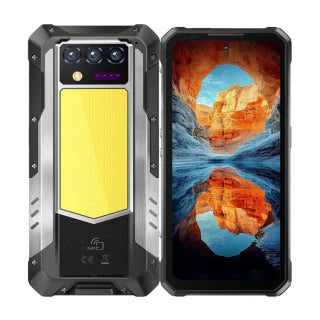
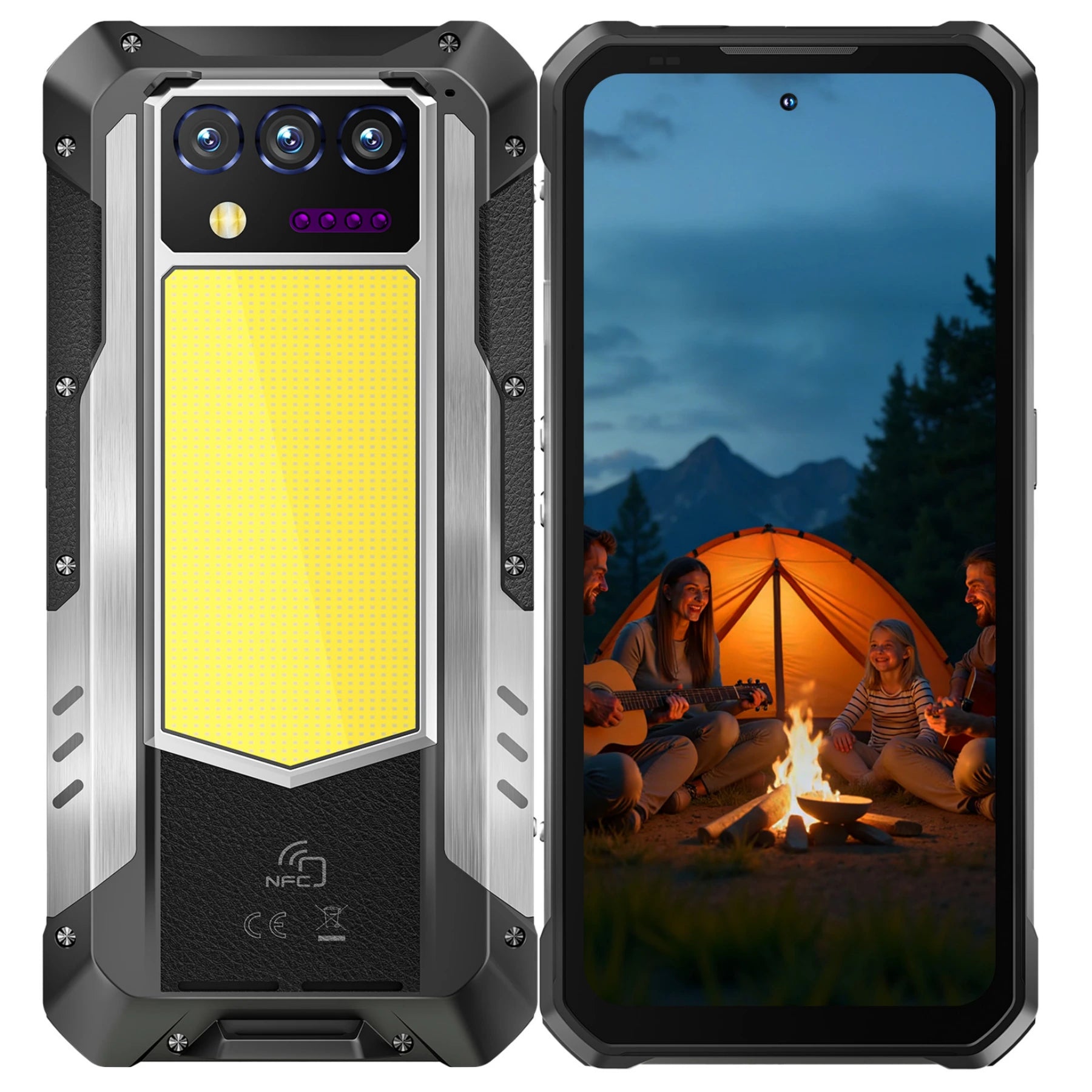
If you are comparing rugged phones for work, outdoor travel, or daily carry, start with the kind of dust and water exposure you actually face. For users who want both IP68 and IP69K protection, the OUKITEL rugged phones collection can help narrow the search to models built for wet, dusty, and outdoor use, with large batteries and rugged builds for longer field use.
Conclusion
IP68 and IP69K are both useful rugged phone ratings, but they solve different problems. IP68 is the better reference for dust and water immersion, while IP69K is more relevant for high-pressure, high-temperature spray.
For daily carry, hiking, travel, rain, and normal outdoor use, IP68 is usually enough. For construction sites, industrial work, muddy areas, or frequent rinsing, IP69K adds more relevant spray protection. The safest choice is to match the rating to your real environment and check each model’s official test details before buying.
FAQ
Does IP69K Mean a Phone Is Fully Waterproof?
No. IP69K does not mean a phone is fully waterproof. It means the phone is tested against high-pressure and high-temperature water spray under specific conditions. It does not guarantee protection in every water situation.
Does IP69K Include IP68?
No. IP69K does not automatically include IP68. IP68 tests water immersion, while IP69K tests high-pressure and high-temperature water spray. A rugged phone may have one rating or both, so buyers should check whether the model clearly lists IP68, IP69K, or both ratings.
Can You Swim or Dive With an IP68 Rugged Phone?
No, you should not treat an IP68 rugged phone as a swimming or diving device. IP68 means the phone can resist water immersion under defined test limits, but it is not designed for long underwater use, deep water, or repeated swimming exposure.
Do IP Ratings Cover Saltwater, Soap, or Chemicals?
Usually not. IP ratings are generally based on controlled water and dust testing, not saltwater, soap, detergents, oil, or chemicals. These liquids can damage seals, ports, coatings, or internal parts, so users should avoid exposing the phone to them when possible.
Will Water Resistance Get Weaker Over Time?
Yes, water resistance can weaken over time. Drops, worn seals, loose port covers, heat, dust, and daily use can reduce protection. Even with IP68 or IP69K, it is still important to keep ports closed and check the phone for visible damage.
Do You Still Need a Case for an IP68 or IP69K Rugged Phone?
Not always, but a case can still help. IP68 and IP69K mainly focus on dust and water protection, while a case can add extra protection against drops, scratches, and screen damage. For heavy work environments, a screen protector is still a smart choice.


Leave a comment
Your email address will not be published. Required fields are marked *