
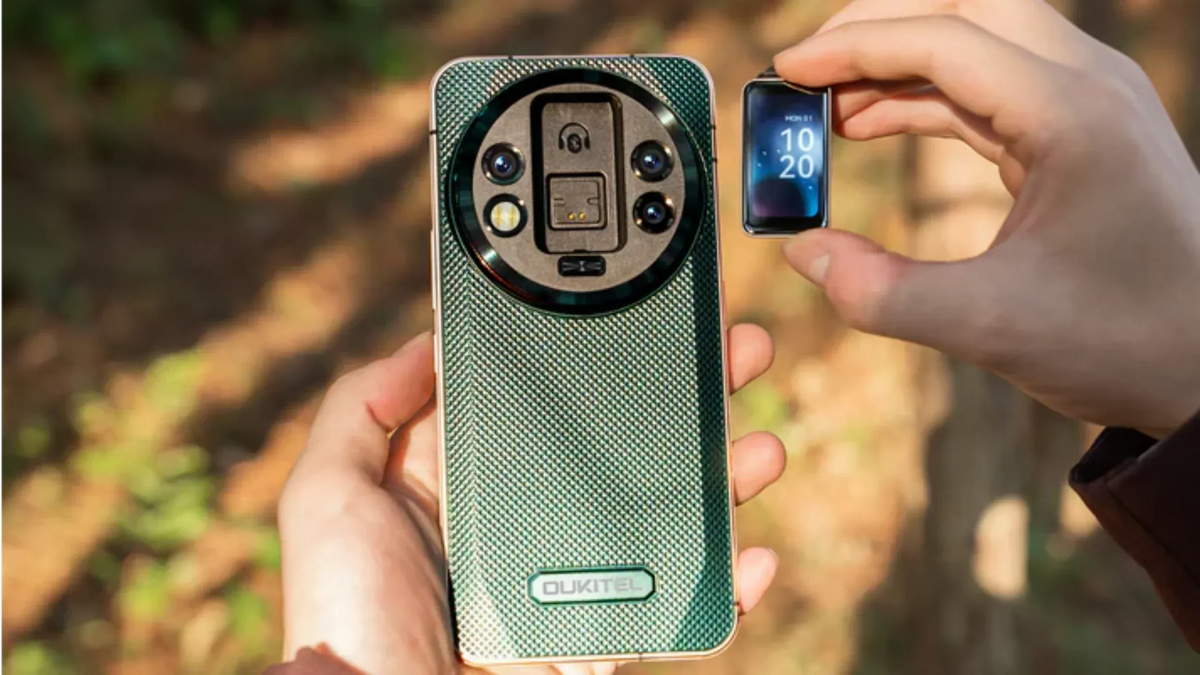
When heat problems are hidden, a regular phone can only show what your eyes already see. A phone with a thermal camera helps you detect temperature differences during electrical checks, pipe inspections, equipment maintenance, outdoor searches, and emergency situations.
For workers, outdoor users, and heavy-duty phone buyers, the right thermal camera phone should offer clear heat detection, rugged protection, strong battery life, and reliable everyday performance. This guide looks at the best thermal camera phones for different work, inspection, and outdoor needs in 2026.
Best Thermal Camera Phones for Work and Inspections

The best thermal camera phones for work and inspections should help users find heat problems quickly, run inspection apps smoothly, and store enough photos or reports for daily records. For electricians, maintenance teams, HVAC workers, plumbers, and facility inspectors, thermal imaging is useful because many issues are not visible through a normal camera.
Clear Thermal Imaging for Finding Heat Issues
Clear thermal imaging helps users spot abnormal heat patterns before they become bigger problems, including electrical checks, pipe inspections, insulation gaps, and thermal imaging for mold detection when moisture-related temperature changes need follow-up. A phone with a thermal camera can be useful for checking:
- Overheating electrical parts
- Heat loss around pipes or walls
- Equipment temperature changes
- Blocked vents or insulation gaps
- Hidden heat differences during routine inspections
For work use, the goal is not just to take a thermal image. The phone should make it easy to identify the issue, save the record, and share it with a team or client.
Reliable Performance for Inspection Apps
A thermal camera phone should also run work apps smoothly. Many users need to open inspection tools, edit notes, check documents, scan codes, upload images, or send reports during the same job.
Reliable performance matters when workers need to:
- Switch between thermal imaging and reporting apps
- Upload photos to cloud platforms
- Check equipment records on-site
- Communicate with the office or client
- Keep work moving without app delays
Enough Storage for Reports and Photos
Inspection work can create many files, especially when users save thermal images, normal photos, videos, forms, and PDF reports. Enough storage helps workers keep records organized without deleting files too often.
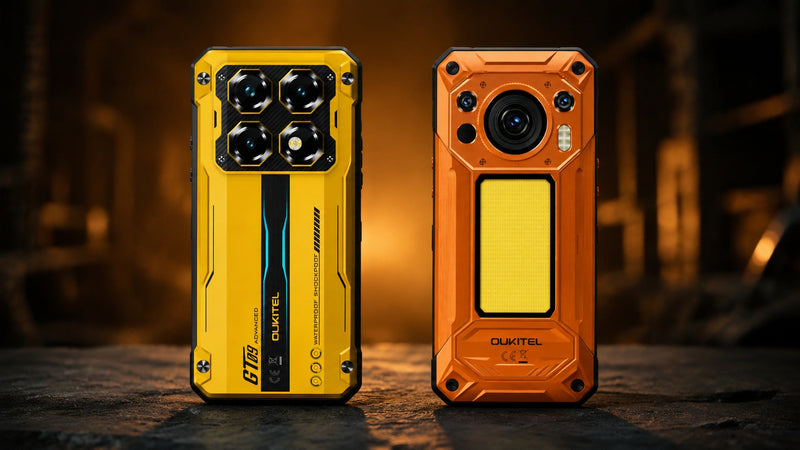
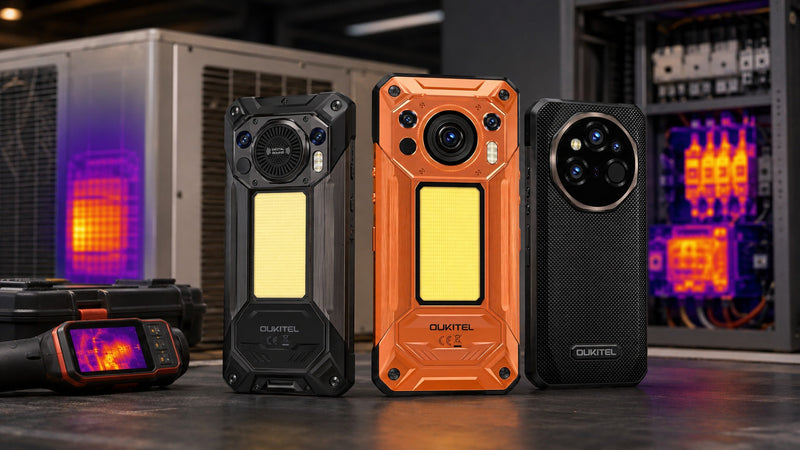
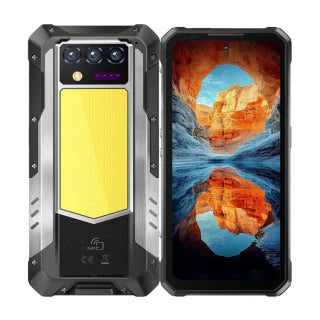
For users who need a rugged phone for thermal checks, site photos, reports, and daily communication, the OUKITEL WP61 Ultra is a practical option to consider. It is better suited to work scenarios where users need heat detection, rugged protection, a large battery, and enough storage for inspection records in one device.
Best Thermal Camera Phones for Outdoor and Emergency Use

The best thermal camera phones for outdoor and emergency use should help users detect heat, stay powered, and keep working in rough conditions. Whether you are camping, working outdoors, checking equipment at night, or responding to unexpected situations, a thermal camera phone can provide extra visibility when a normal camera is not enough.
Heat Detection in Low-Visibility Conditions
Heat detection is useful when visibility is poor, especially at night, in smoke, fog, dense vegetation, or dark outdoor areas. A thermal camera phone can help users notice temperature differences that are difficult to see with the naked eye.
This can be helpful for:
- Checking warm equipment after use
- Looking for heat leaks around shelters or vehicles
- Spotting animals or heat sources outdoors
- Supporting nighttime inspection tasks
- Finding abnormal heat during emergency checks
Thermal imaging should not replace professional rescue or safety equipment, but it can give outdoor users and field teams another way to understand their surroundings.
Long Battery Life for Outdoor Use
Long battery life matters when users are away from outlets for hours or even days. Outdoor work, camping, navigation, photography, and emergency communication can drain a phone quickly, especially when the screen, GPS, camera, and mobile network are used often.
For outdoor use, a thermal camera phone should support:
- Long shifts away from charging points
- GPS navigation and map use
- Thermal checks during field tasks
- Photos, videos, and emergency records
- Communication during travel or outdoor work
Rugged Build for Rain, Dust, and Drops
Outdoor and emergency use often means unpredictable conditions. A rugged thermal camera phone should be ready for rain, dust, mud, drops, and rough handling, especially when it is used around tools, vehicles, rocks, or wet ground.
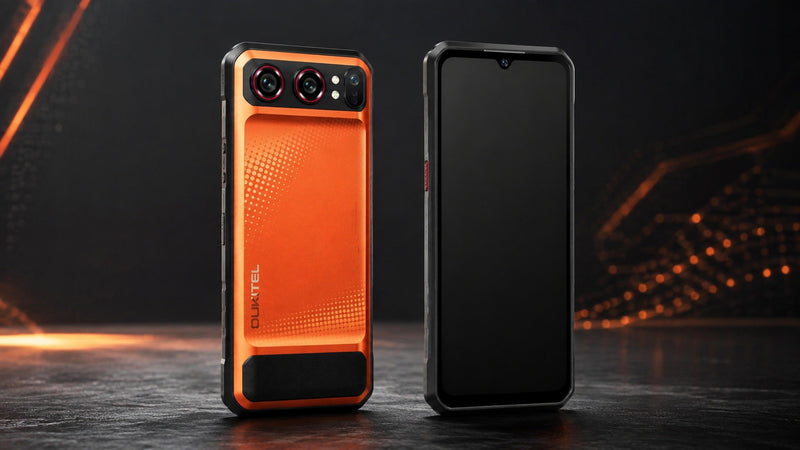
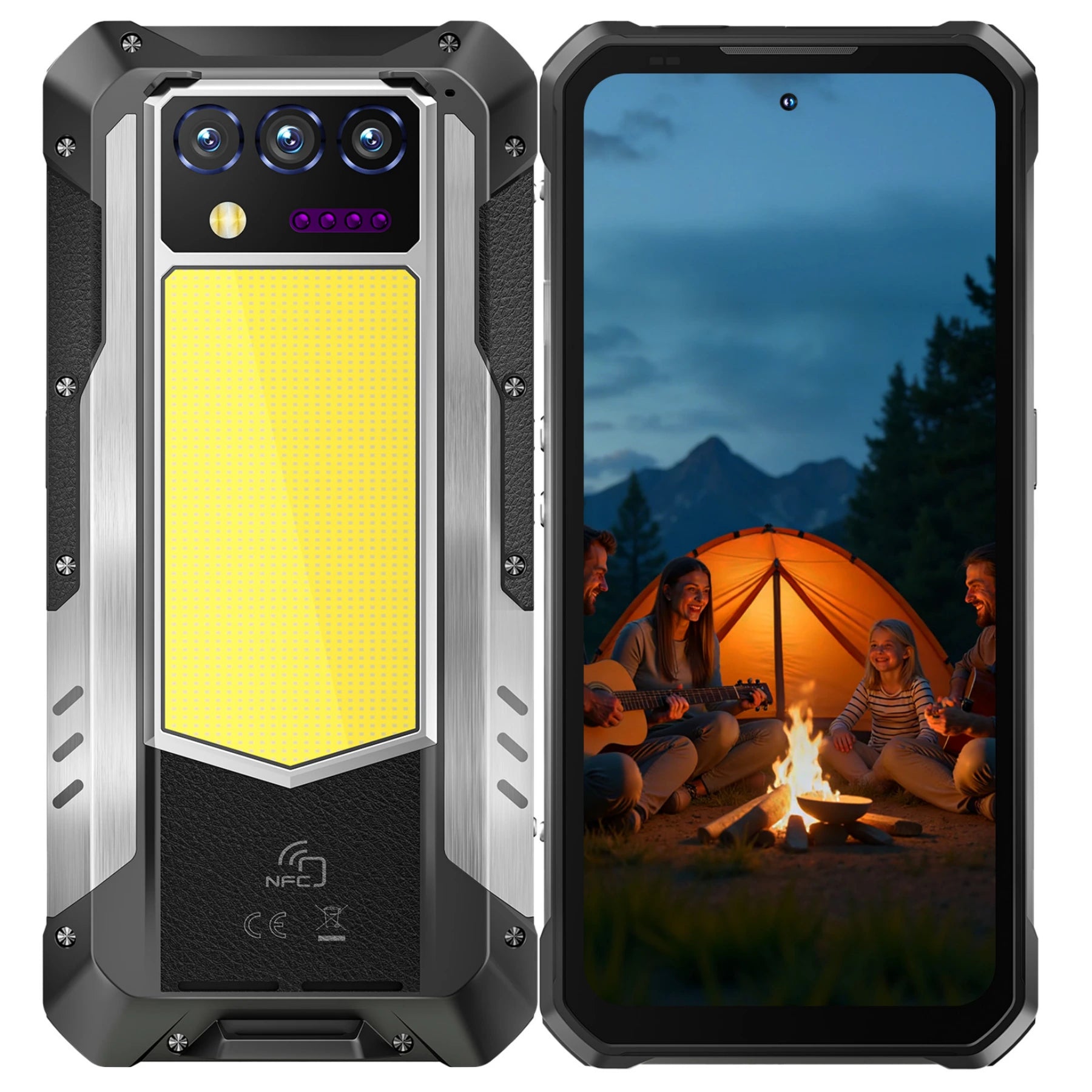
For users who need thermal imaging with stronger outdoor endurance, the OUKITEL WP500 Ultra Thermal Imaging 5G Rugged Phoneis a suitable model to consider. Its thermal imaging function supports outdoor heat detection, while the 10,000mAh battery, rugged design, 6.78-inch display, and large storage make it practical for navigation, field records, communication, and emergency-ready use.
Best Rugged Phones With Thermal Cameras for Harsh Environments
The best rugged phones with thermal cameras for harsh environments should combine heat detection, strong protection, and practical field tools. In tough worksites, users may need to inspect equipment, record heat issues, communicate with teams, and keep the phone working around dust, water, vibration, and rough handling.
Strong Protection for Tough Worksites
Rugged phones for harsh environments should be built for drops, pressure, dust, rain, and daily impact. This matters when the phone is used around heavy tools, machinery, vehicles, or outdoor work areas, where a regular smartphone can be damaged easily.
For tough worksites, buyers should look for:
- Drop and shock resistance
- Dust and water protection
- Reinforced corners and casing
- Sealed ports for dirty environments
- A screen that can handle outdoor use
Thermal Use in Wet, Dusty, or Rough Areas
Thermal imaging is especially useful when workers need to check heat issues in places that are not clean or easy to inspect. A rugged thermal camera phone can help users detect abnormal heat while still handling the conditions around the job.
This can be useful for:
- Checking machinery after heavy use
- Finding overheating parts in dusty areas
- Inspecting pipes, panels, or equipment outdoors
- Looking for heat changes after rain or mud exposure
- Recording thermal images for maintenance reports
A rugged design helps make thermal checks more practical because users do not need to protect the phone as carefully as a standard device.
Field Tools for Heavy-Duty Users
Heavy-duty users often need more than a thermal camera. They may also need a large battery, bright display, strong storage, reliable GPS, loud audio, and stable connectivity for daily field tasks.
Useful field features may include:
- Long battery life for full-day work
- GPS for outdoor routes and site location
- Large storage for photos, videos, and reports
- A bright display for outdoor viewing
- NFC or mobile tools for worksite use
- Strong speakers or flashlight support for field use
For users in construction, utilities, maintenance, agriculture, emergency support, or outdoor inspection, a rugged thermal camera phone can work as both a communication device and a practical field tool.
|
Best For |
Recommended Model |
Why It Fits |
|
Work inspections and daily reports |
OUKITEL WP61 Ultra |
Better fit for users who need thermal checks, large battery life, site records, and rugged protection in one phone. |
|
Outdoor and emergency use |
OUKITEL WP500 Ultra |
Better fit for users who want thermal imaging, large storage, outdoor endurance, rugged 5G performance, and a Privacy Kill Switch that can instantly disable the camera, microphone, and GPS for safer field use. |
How to Choose the Best Phone With Thermal Camera for Your Needs
The best phone with a thermal camera depends on your main use case. A worker checking electrical panels may care more about thermal detail and report storage, while an outdoor user may prioritize battery life, rugged protection, GPS, and screen visibility.
Thermal Resolution and Temperature Range
Thermal resolution affects how clearly the phone shows heat differences. Higher thermal detail can help users identify hot spots, heat loss, or abnormal temperature changes more easily.
Temperature range also matters. For basic home checks or outdoor use, a standard range may be enough. For electrical work, equipment inspection, or industrial maintenance, choose a model that can measure the temperatures your work may involve.
Battery Life and Charging Speed
Battery life is important because thermal imaging, GPS, cameras, and bright screens can drain power quickly. If you work outdoors or spend long hours away from outlets, choose a phone that can last through a full day.
Fast charging is also useful. It helps reduce downtime when you need to recharge between jobs, shifts, or outdoor tasks.
Rugged Ratings and Daily Portability
A thermal camera phone should match your working environment. If you use it around dust, rain, mud, tools, or rough surfaces, ratings such as IP68, IP69K, and MIL-STD-810H can help you judge water and dust protection, drop resistance, and a reinforced body.
At the same time, consider daily portability. A larger battery and rugged build are helpful, but the phone should still be comfortable enough to carry, hold, and use throughout the day.
Price, Warranty, and Long-Term Value
Price should be judged by how often you will use the thermal camera and rugged features. A higher-spec model may be worth it for daily inspections, field work, or heavy-duty use, while occasional users may not need the most advanced option.
Also check warranty, software support, storage, and accessory compatibility. A good thermal camera phone should not only solve today’s inspection needs but also stay useful for long-term work.
Conclusion: Which Thermal Camera Phone Should You Buy?
The best thermal camera phone depends on where and how you will use it. For work inspections, choose a model with clear thermal imaging, reliable performance, and enough storage for reports, photos, and job records.
For outdoor or emergency use, focus on battery life, rugged protection, screen visibility, and stable connectivity. If you work in harsh environments, a rugged thermal camera phone will usually offer better long-term value than a standard phone with a separate thermal attachment.
FAQ
Can a thermal camera phone see through walls?
No, a thermal camera phone cannot see through walls. It detects surface temperature differences, so it may show heat patterns on a wall, but it cannot directly reveal objects or people behind solid materials.
Do thermal camera phones work in complete darkness?
Yes, thermal camera phones can detect heat in complete darkness because they read temperature differences instead of visible light. This makes them useful for night inspections, outdoor checks, and low-visibility situations.
How accurate is a phone with a thermal camera?
A phone with a thermal camera can help detect heat differences, hot spots, and temperature changes, but accuracy depends on the sensor quality, distance, surface type, and environment. It is useful for screening and field checks, but professional testing may still require dedicated thermal equipment.
How far can a thermal camera phone detect heat?
Detection distance depends on the heat source size, temperature difference, thermal sensor quality, and weather conditions. A large warm object can be detected from farther away, while small heat issues usually require closer inspection.
Is a thermal camera phone better than a thermal camera attachment?
A thermal camera phone is better for users who want one device for calls, photos, apps, reports, and heat detection. A thermal attachment may be better if you already have a phone and only need occasional thermal checks.
Can I use a thermal camera phone as my everyday phone?
Yes, many thermal camera phones can be used as everyday phones. They may be heavier than regular smartphones, but they are practical for users who want thermal imaging, rugged protection, long battery life, and normal phone functions in one device.
What jobs benefit most from a thermal camera phone?
Thermal camera phones are useful for electricians, HVAC technicians, plumbers, facility maintenance teams, construction workers, equipment inspectors, outdoor workers, and emergency support users. They help identify heat issues that may not be visible through a normal camera.


Leave a comment
Your email address will not be published. Required fields are marked *