


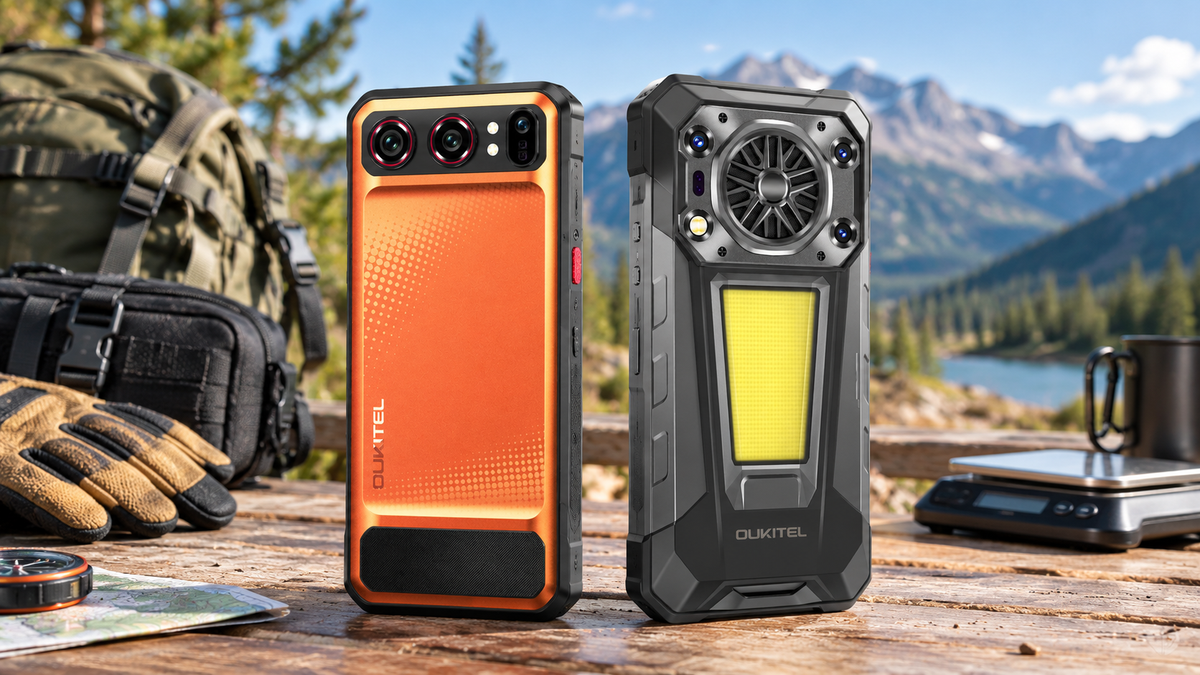
A rugged phone is too heavy when its weight interferes with the way you need to carry, hold, mount, or operate it. There is no universal cutoff: approximately 300g may be comfortable for one user and tiring for another, while a phone weighing more than 600g can make sense when it replaces a power bank, camping light, loudspeaker, or survival tool.
The key is not to find the lightest rugged phone. It is to decide whether every additional gram delivers useful battery capacity, protection, or hardware for your actual routine.
For everyday carry, commuting, cycling, and frequent one-handed use, a slimmer model around the lower end of rugged-phone weights is usually easier to live with. For remote work or multi-day trips, a much heavier model may still be practical if it reduces the amount of separate equipment you need to carry.
There Is No Single Weight Limit for Every User
Phone weight becomes a problem through repetition. A device may feel manageable during a one-minute product demonstration but become uncomfortable after an hour of navigation, photography, messaging, or work-related data entry.
The same phone can also feel very different depending on how it is carried. A 400g device inside a structured backpack compartment may be easy to transport, while that weight can feel excessive in a loose trouser pocket.
A practical evaluation should consider:
- How long you hold the phone continuously
- Whether you frequently use it with one hand
- Where you carry it
- Whether it will be attached to a vehicle or bicycle
- How often you climb, run, or bend while carrying it
- Whether it replaces other equipment
- Whether gloves affect your grip
- Whether you have previous hand or wrist discomfort
Weight is therefore a usability measurement, not simply a specification.
When Weight Starts Affecting Comfort and Control
A rugged phone may be too heavy if you regularly change your grip, rest it against another surface, or support it with both hands during tasks that should be easy one-handed.
Common warning signs include:
- Wrist fatigue during navigation or video calls
- Finger strain when reaching across the display
- Difficulty typing with one hand
- The phone sliding downward inside a pocket
- A mount gradually changing angle
- More frequent near-drops
- Shoulder discomfort from a belt-mounted device
- Avoiding the phone because retrieving it feels inconvenient
A heavier phone also carries more momentum when it falls. Rugged construction may protect the device, but it does not prevent a heavy phone from injuring a foot, damaging another object, or pulling a weak mount loose.
Why Rugged Phones Are Heavier Than Regular Smartphones
Rugged phones often contain structural and functional elements that add mass:
- Reinforced corners and frames
- Thicker enclosures
- Protected ports and sealing components
- Larger batteries
- Larger speakers
- Camping lights
- Thermal cameras or night-vision systems
- Projectors
- Reverse-charging hardware
- Integrated outdoor tools
These additions can provide real value. The problem occurs when the user pays the weight penalty without using the feature that caused it.
A 20,000mAh battery may benefit someone working away from outlets for several days. It may be unnecessary for an office user who charges every night. Likewise, a large camping light may replace a separate lantern during remote travel but add unused weight during ordinary commuting.

Compare Rugged Phone Weight by Use Case
The following ranges are practical reference points rather than fixed industry categories. Body shape, thickness, balance, and grip can make two phones with similar weights feel very different.
| Approximate weight | Likely experience | Typical fit |
|---|---|---|
| Under 300g | Relatively light for a rugged design | Everyday protection and frequent handheld use |
| 300–400g | Noticeably substantial but still practical for many users | Commuting, outdoor activities, cycling, and field visits |
| 400–550g | Heavy during extended handheld use | Professional work, larger batteries, and specialized hardware |
| 550–700g | Better treated as equipment than a normal pocket phone | Remote operations, camping, emergencies, and multi-day use |
| Above 700g | Requires a deliberate carrying and mounting plan | Maximum-capacity or highly specialized devices |
Do not choose from the table alone. A well-balanced 350g phone with textured sides may feel more secure than a smooth 300g model. A 600g phone carried in a stable pouch may also create less strain than a 400g phone swinging from a belt clip.
Everyday Carry, Commuting, and One-Handed Use
Everyday users interact with a phone dozens of times throughout the day. They take it from a pocket, unlock it, answer messages, scan codes, make payments, take photos, and use navigation.
In this context, a modest difference in weight can become noticeable. The phone should fit securely into the intended pocket and remain comfortable when held during longer calls or commutes.
A lighter rugged phone is usually a better match if you:
- Carry the phone in trousers or a jacket
- Use public transportation
- Frequently type with one hand
- Hold the phone while walking
- Use it for payments or tickets
- Want rugged protection without expedition hardware
Readers concerned about daily practicality can also review whether rugged phones are suitable for everyday use.
Construction, Fieldwork, and Vehicle-Based Work
Weight may matter differently on a jobsite. A worker may use the phone for documentation, equipment records, navigation, communication, and inspection but store it in a holster or vehicle mount between tasks.
A heavier device can be acceptable when it offers a useful battery, loudspeaker, light, or specialized camera. However, it must remain compatible with safety equipment and work clothing.
Check whether the phone:
- Fits the intended holster
- Can be removed while wearing required gloves
- Pulls a tool belt out of position
- Interferes with climbing equipment
- Can be secured when working at height
- Remains stable in the vehicle mount
- Is comfortable during repeated photo documentation
Do not attach a heavy phone to a lanyard or clip unless the attachment system is designed for the phone’s complete weight.
Camping, Emergencies, and Multi-Day Trips
During remote travel, total equipment weight matters more than phone weight alone.
A 600g phone may seem excessive compared with a 300g model. However, the calculation changes if the heavier phone replaces a separate power bank, lantern, loudspeaker, charging cable, or ignition tool.
Evaluate the complete load:
| Equipment plan | What you carry |
|---|---|
| Lighter phone | Phone plus additional power bank, light, cable, and outdoor tools |
| Heavy multifunction phone | One larger device containing several of those functions |
| Modular setup | Phone plus only the accessories required for that specific trip |
The best option depends on reliability and redundancy as well as weight. Combining several tools in one phone reduces the item count, but damage or battery depletion could affect multiple functions at once. Essential equipment may still require an independent backup.

Check How the Weight Feels in Real Use
Specification sheets cannot show how a device feels after prolonged use. Whenever possible, test a phone—or an object with similar dimensions and weight—in the situations where it will be used.
Do more than hold it briefly at a counter.
Test Pocket Carry and Extended Handheld Use
Place an object of comparable weight in the intended pocket. Walk, sit, climb stairs, and bend down. Check whether it moves excessively, strikes your leg, or pulls the clothing out of position.
For handheld comfort, simulate the tasks you perform most often:
- Type a long message
- Hold the device at eye level
- Use navigation for 15–20 minutes
- Take several photos
- Make a video call
- Reach the top corners of the display
- Operate it with gloves if required
A phone that is easy to lift may still be uncomfortable to stabilize.
Consider Mounts, Holsters, and Backpack Storage
Every mounting system has a weight limit and a specific grip mechanism. A mount that securely holds a conventional phone may not support a thick 600g rugged model.
For a bicycle or motorcycle mount, consider vibration, bumps, sudden braking, and the leverage created by a thick body. A heavier phone mounted far from the handlebar can make the setup feel top-heavy.
For vehicles, check whether the mount gradually tilts on rough roads. Avoid placing a heavy phone where it could fall near pedals, controls, or occupants.
A suitable carrying system may include:
- A fitted protective holster
- A reinforced belt pouch
- A secured backpack compartment
- A mount designed for heavy rugged devices
- A rated retention strap
- A stable desk or vehicle cradle
The wider OUKITEL rugged-phone collection can help buyers compare body sizes, battery capacities, and feature combinations before selecting a carrying solution.
Evaluate Balance and Grip—not Weight Alone
Total weight is only one part of handling. A top-heavy phone can rotate in the hand, while an evenly balanced device may feel more stable.
Grip texture, side shape, button placement, width, and thickness also influence control. A secure frame can reduce the force required to hold the phone, while a smooth or oversized body may cause fatigue more quickly.
A phone is easier to manage when:
- The center of mass sits near the middle of the hand
- The sides provide usable grip
- Buttons do not require an awkward reach
- The width matches the user’s hand
- The case does not create pressure points
- The phone can rest securely without constant squeezing
Decide Whether the Extra Weight Provides Real Value
The right question is not “Is this phone heavy?” It is “What am I receiving in exchange for the weight?”
Make a short list of the features you will use every week. Then separate those from functions that are merely interesting.
Battery Capacity and Charging Frequency
Large batteries are one of the main reasons rugged phones become heavy and thick. They can reduce dependence on wall outlets and support longer navigation, camera, hotspot, and communication use.
However, battery capacity should be considered alongside efficiency, charging speed, trip length, and access to power. The largest available battery is not automatically the best choice.
A lower-capacity phone may be sufficient if you:
- Charge every night
- Spend most days near an outlet
- Use the phone primarily for messaging and calls
- Carry a vehicle charger
- Prioritize pocket comfort
A larger battery becomes more valuable if you:
- Work extended shifts
- Travel off-grid
- Run navigation for long periods
- Use the phone as a hotspot
- Share power with accessories
- Cannot predict the next charging opportunity
The guide to choosing a big-battery phone beyond its mAh rating explains the wider trade-offs.
Reinforced Protection and Specialized Hardware
Protective frames, sealed ports, large speakers, lights, cameras, and outdoor tools all add weight. Their value depends on exposure and task frequency.
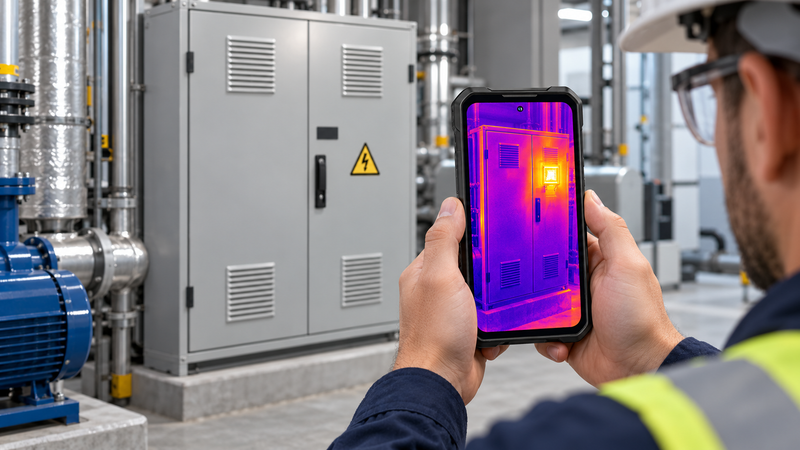
A thermal camera may justify added mass for regular inspections but not for a user who only wants rain protection. A camping light may eliminate a separate lantern on weekend trips but remain unused during office work.
When comparing models, write down:
- The risk or problem the feature solves.
- How often that problem occurs.
- What separate item the feature replaces.
- Whether the function requires a backup.
- How much weight you are willing to carry for it.
This turns weight from an isolated specification into a practical decision.

WP68 Air or WP63: Two Different Approaches to Weight
[product-card-1]
[product-card-2]
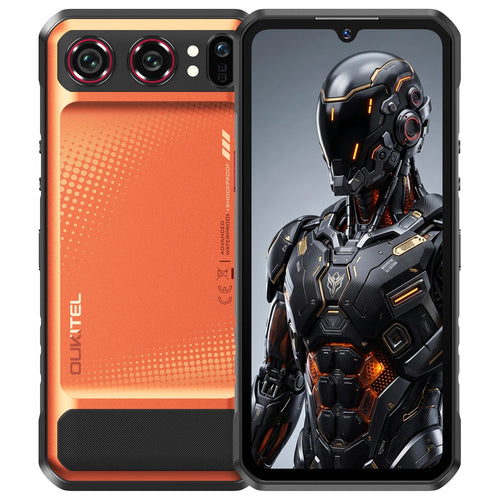
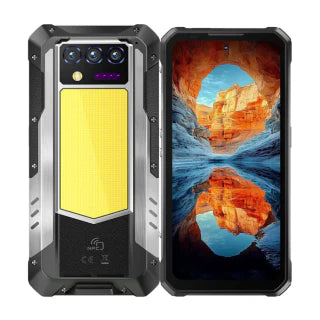
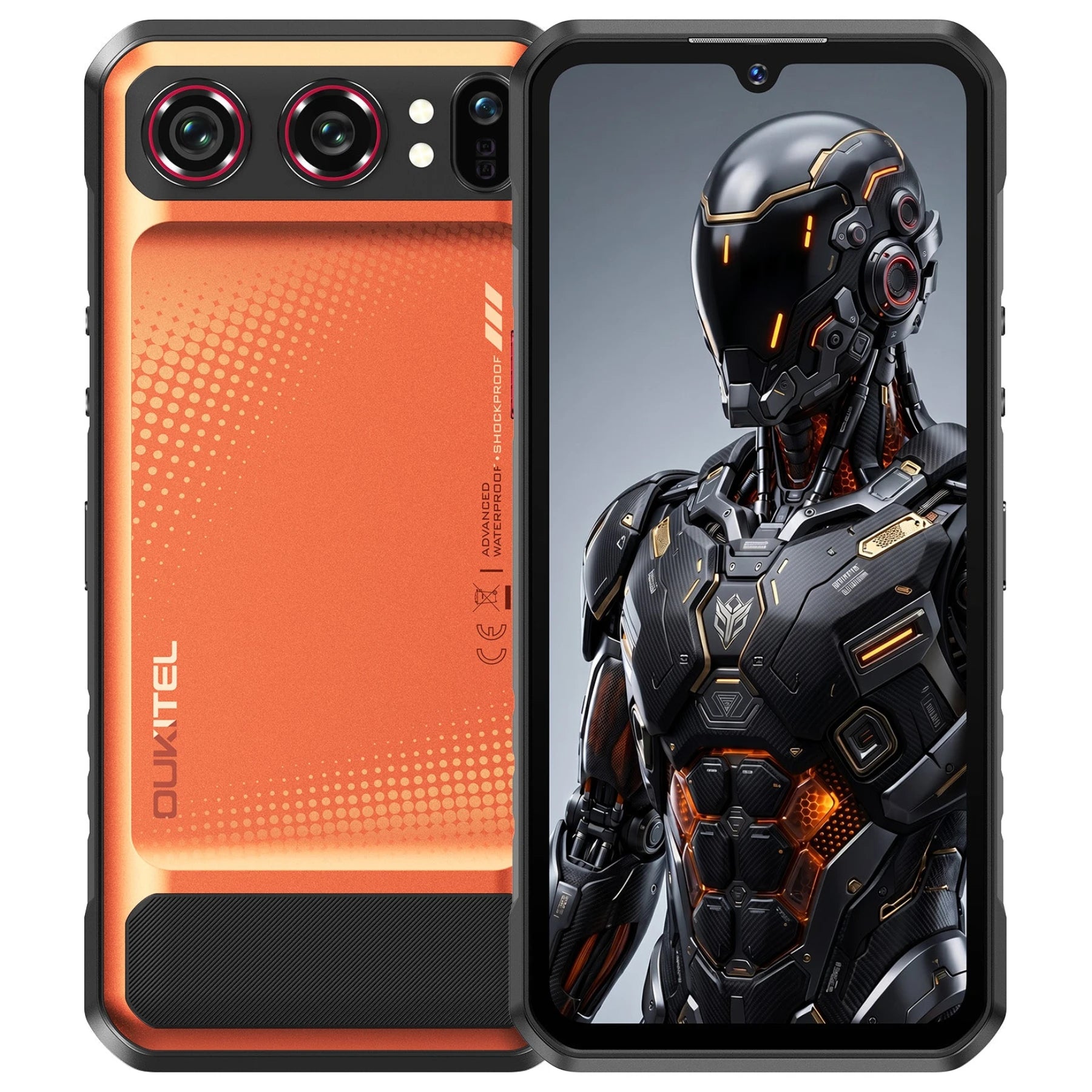
The OUKITEL WP68 Air is designed for users who want rugged protection without carrying an oversized expedition-style device. It weighs 309.5g and uses silicon-carbon battery technology to fit an 8,000mAh battery into an 11.9mm body.
That combination makes it better suited to everyday carry, commuting, cycling, travel, frequent handheld use, and compatible phone mounts. It remains heavier than many conventional smartphones, but the weight is closer to the range that many users can manage as a primary daily phone.
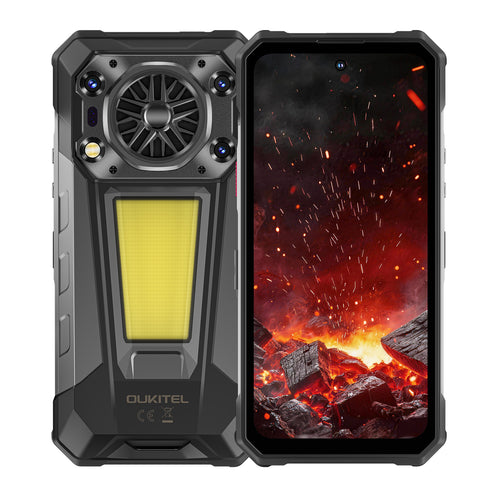
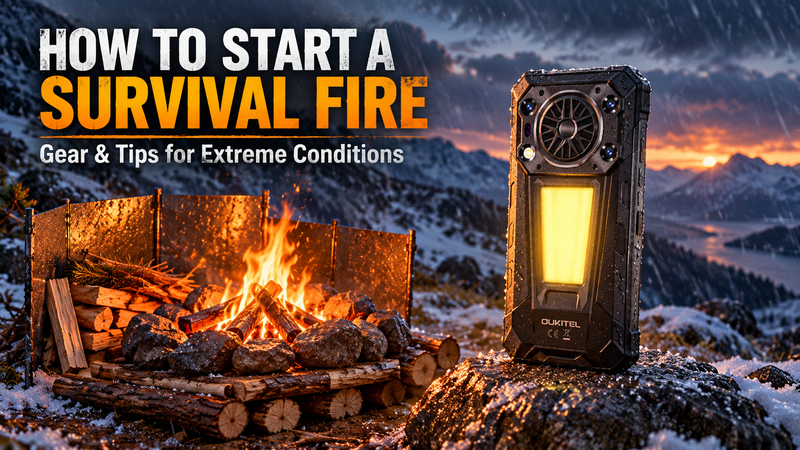
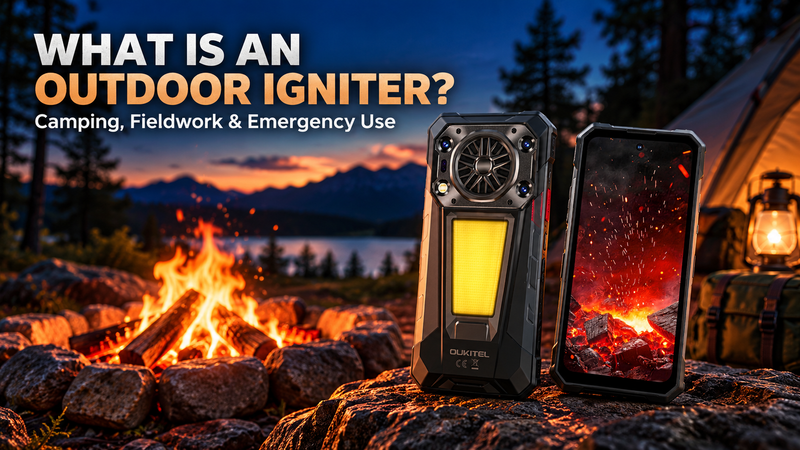
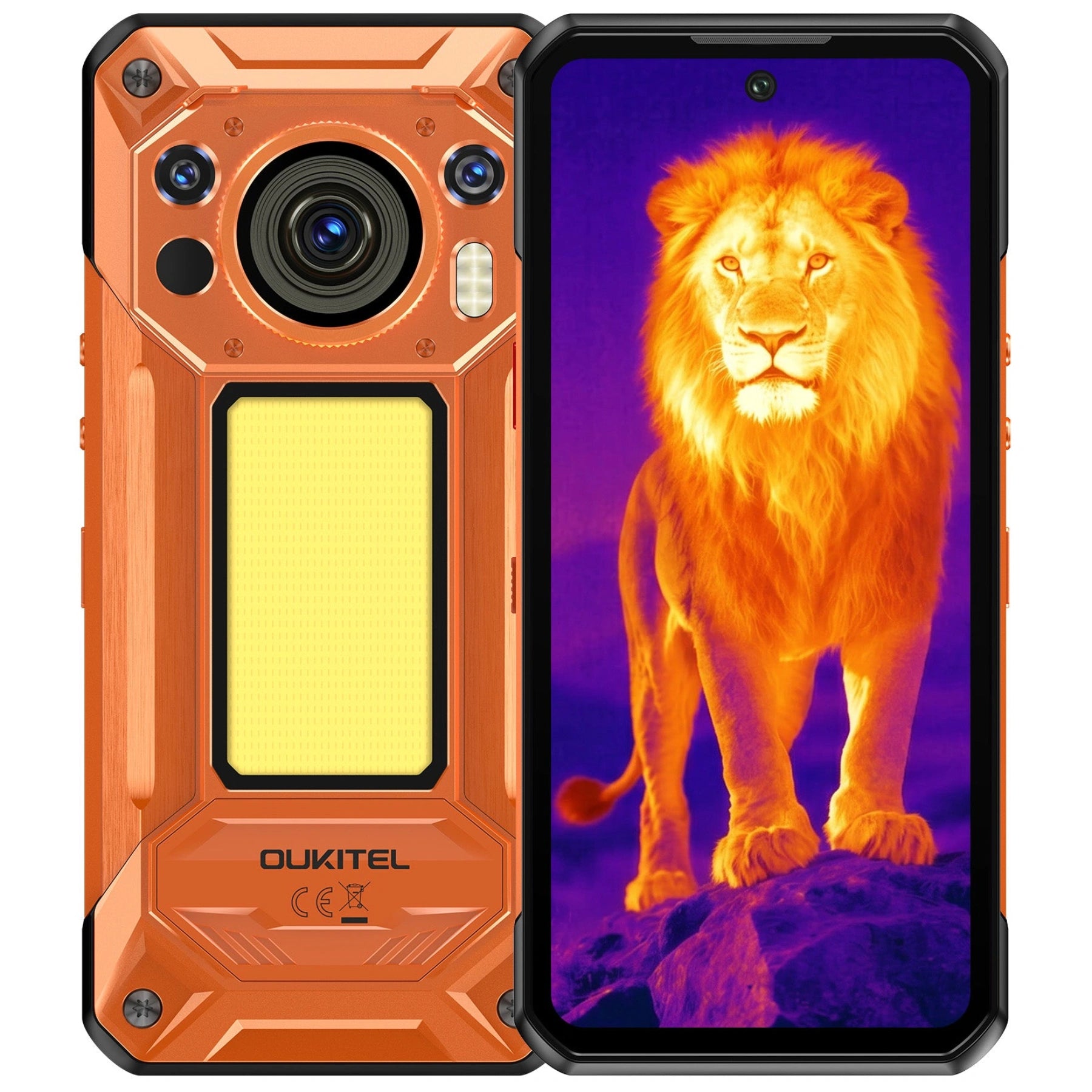
The OUKITEL WP63 takes the opposite approach. At 629g, it should be treated as a multifunction outdoor device rather than a conventional pocket phone. Its body supports a 20,000mAh battery, electric outdoor igniter, camping light, 3W loudspeaker, built-in Type-C reverse-charging cable, and reinforced construction.
For casual users, 629g may be too heavy. For remote workers, campers, emergency-preparedness users, or travelers who would otherwise carry several separate tools, the weight can be justified.
| Model | Weight | Battery | Best fit |
|---|---|---|---|
| OUKITEL WP68 Air | 309.5g | 8,000mAh | Everyday rugged use and frequent carrying |
| OUKITEL WP63 | 629g | 20,000mAh | Remote work, camping, emergencies, and multifunction use |
Neither approach is universally better. The right choice depends on whether you value everyday portability or maximum integrated capability.
When a Rugged Phone Is Too Heavy for You
A rugged phone is too heavy when the cost of carrying it exceeds the value of its features.
Clear indicators include:
- You regularly leave it behind
- You avoid one-handed use because it feels insecure
- Your wrist becomes uncomfortable
- Your pocket or belt cannot support it
- Your vehicle or bicycle mount shifts
- You require a second hand for routine actions
- The extra hardware remains unused
- A lighter phone plus one accessory would be easier to carry
Pay attention to actual behavior. If a phone is technically portable but inconvenient enough that you stop carrying it, its battery and rugged features cannot help you.
How to Carry a Heavy Rugged Phone Safely
A heavy phone needs a deliberate carrying system.
Use a fitted holster or structured pouch rather than a loose clip. When working at height, follow workplace rules and use retention equipment specifically rated for the combined phone and case weight.
For cycling or vehicle use:
- Confirm the mount’s stated weight capacity
- Include the case when calculating total weight
- Check clamp compatibility with the phone’s thickness
- Inspect the mount after rough travel
- Use a secondary retention system where appropriate
- Keep the device clear of controls
- Stop if the mount develops movement or cracks
Avoid placing a heavy phone in a shallow pocket during climbing, running, cycling, or fieldwork. The phone can build momentum and escape the pocket even when it felt secure while standing.
FAQ
Is a 300g Phone Too Heavy for Everyday Use?
Not necessarily. A 300g phone is noticeably heavier than many standard smartphones but may remain comfortable if its body is balanced, its grip is secure, and it fits the user’s pocket or carrying system.
Does a Heavier Rugged Phone Survive Drops Better?
Not automatically. Weight does not prove durability, and additional mass creates more impact energy during a fall. Evaluate the phone’s construction and stated rugged protection rather than assuming that heavier always means tougher.
Can a Heavy Phone Damage a Bicycle or Vehicle Mount?
It can overload a mount that is not designed for its weight or thickness. Confirm the mount’s capacity, include the case in the calculation, and use a suitable retention system.
Should Battery Capacity Matter More Than Phone Weight?
Only when the additional runtime is genuinely needed. A larger battery can justify more weight during remote trips or long shifts, but everyday users with regular charging access may benefit more from a lighter phone.
Conclusion
A rugged phone becomes too heavy when it causes fatigue, reduces control, overwhelms a mount, disrupts pocket carry, or adds features you rarely use. There is no universal number that applies to every user.
The 309.5g OUKITEL WP68 Air demonstrates how silicon-carbon battery technology can combine an 8,000mAh battery with a relatively slim 11.9mm rugged body. It is the more practical option for users who prioritize daily portability.
The 629g OUKITEL WP63 is designed for a different role. Its 20,000mAh battery, outdoor igniter, camping light, loudspeaker, and built-in charging cable can justify the weight when one device replaces several pieces of outdoor equipment.
Choose according to the complete carrying system and the problems the phone must solve. The best rugged phone is not the lightest or the heaviest—it is the one whose weight remains useful every time you carry it.



Leave a comment
Your email address will not be published. Required fields are marked *