
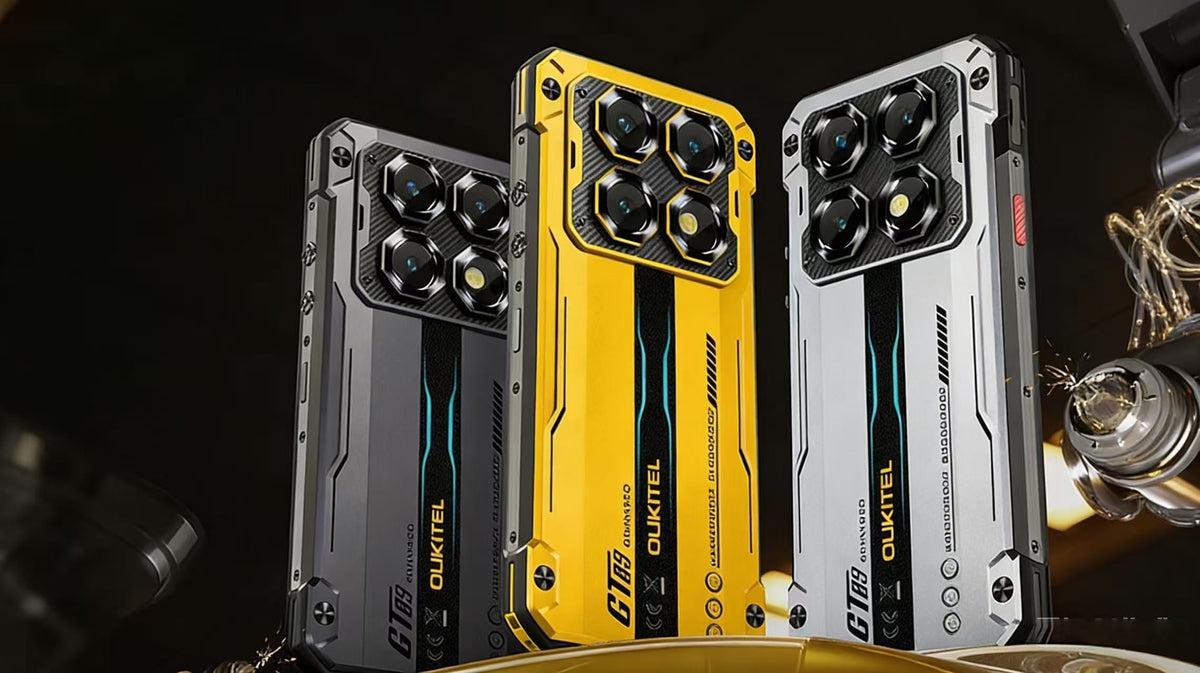
A regular smartphone can feel risky when your day involves drops, rain, dust, long shifts, outdoor work, or travel far from a charger. That is usually when people start looking for a rugged phone, but the buying process can get confusing fast.
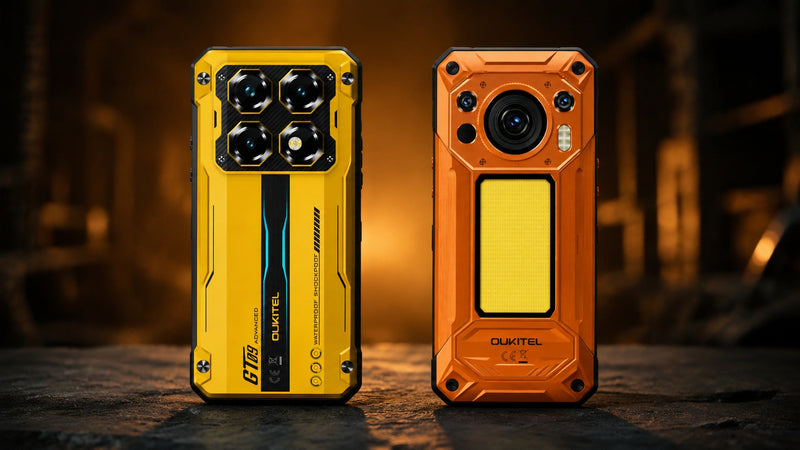
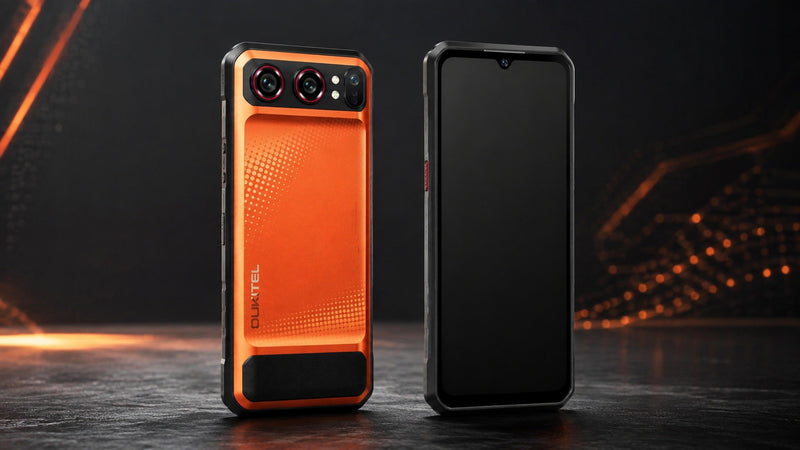
Before you buy a rugged phone, focus on the features that affect real daily use: durability ratings, battery life, charging speed, outdoor display readability, performance, storage, network compatibility, utility tools, and size. The right rugged phone should match your work, travel, or outdoor environment instead of simply looking tough.
Durability Ratings

Durability ratings are one of the first things to check when buying a rugged phone. They help you understand how the phone is tested for dust, water, drops, shock, and harsh outdoor conditions. A thick body can make a phone look tough, but ratings such as IP68, IP69K, and MIL-STD-810H give buyers a clearer way to compare real protection before choosing a model.
IP68 / IP69K
IP68 and IP69K ratings mainly focus on dust and water protection. IP68 usually means the phone is dust-tight and can resist water under defined test conditions. IP69K adds protection against high-pressure, high-temperature water jets, which may matter for users who work around mud, rain, washdowns, or dirty jobsite conditions.
These ratings are useful, but they do not mean the phone is impossible to damage. Water resistance can still depend on port covers, sealing condition, water depth, exposure time, and how the phone is used. If you often work outdoors, travel in wet conditions, or handle your phone with dirty hands, IP68 and IP69K are important baseline features to look for.
MIL-STD-810H
MIL-STD-810H is commonly used to show that a rugged phone has been tested against tougher environmental stress. This may include drops, vibration, shock, humidity, temperature changes, and other demanding conditions. For buyers, it gives extra confidence that the phone is designed for more than normal daily use.
Still, MIL-STD-810H should be read as a testing reference, not a damage-proof promise. Different brands may test different conditions, so it is better to look at the full rugged design, not the label alone. For worksites, outdoor trips, warehouses, delivery routes, and field service, a phone with MIL-STD-810H support is usually a safer choice than a regular smartphone.
Battery & Power
A phone battery is one of the key factors to check when buying a rugged phone because these devices are often used away from stable charging access. If you work outdoors, travel often, camp, drive long routes, or need backup power during emergencies, battery performance can affect whether the phone is truly reliable in real use.
Capacity
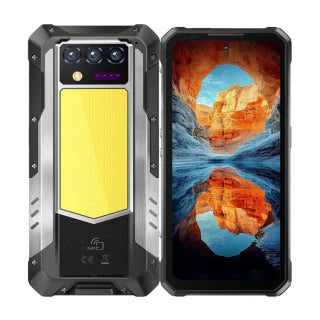
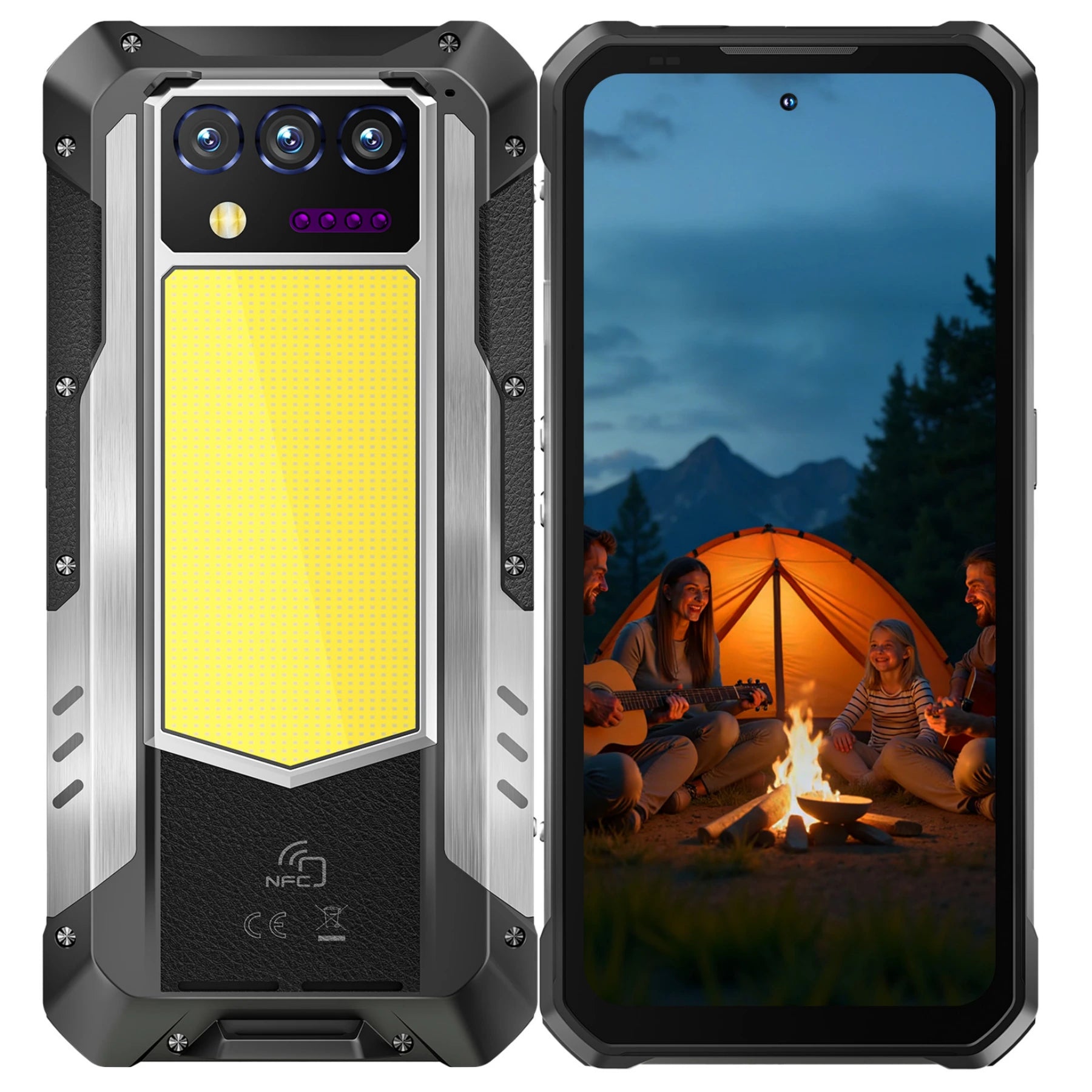
For buyers who spend long hours away from outlets, battery capacity should be one of the first specs to check. A rugged phone with a very large battery is more useful when you rely on GPS, calls, photos, lighting, or emergency backup for long periods. For example, the OUKITEL WP61 Plus uses a 20,000mAh battery, which makes it a stronger fit for fieldwork, camping, long shifts, and backup power needs than a standard smartphone.
When comparing battery capacity, think about your main use case:
- Work users need enough power for calls, messaging, GPS, photos, and jobsite apps across a full shift.
- Outdoor users need backup power for maps, lighting, photos, videos, and poor-signal areas that may drain the battery faster.
- Daily users may not need the largest battery if they care more about weight, pocket comfort, and easier carry.
- Emergency users should look for a phone that can stay useful when outlets or power banks are not available.
A larger battery usually means longer use time, but it can also add size and weight. The better choice is the battery capacity that matches your workday, travel habits, and comfort needs.
Charging Speeds
Charging speed matters because rugged phones with large batteries can take longer to refill. Before buying, check the charging wattage, charging port, and whether the charger and cable can support the phone’s full charging speed.
Key points to check include:
- Charging wattage, because higher supported wattage can shorten charging time.
- USB-C support, since it is the most practical charging standard for modern devices.
- Charger and cable compatibility, because the phone will not charge at full speed if the adapter or cable is limited.
- Your charging routine, since overnight charging, shift breaks, and travel top-ups create different needs.
For work and outdoor users, charging speed is more than a convenience feature. It decides how quickly the phone can get back to useful power before a long shift, a road trip, or an off-grid day.
Display Readability

Display readability matters because rugged phones are often used outside normal indoor conditions. A rugged phone may have strong protection and a large battery, but it still needs to be easy to read when you are outdoors, wearing gloves, working in rain, or checking maps under direct sunlight. Before buying, look at brightness, screen size, refresh rate, touch response, and whether the display stays usable in rough environments.
Brightness
Brightness is one of the most important display specs for outdoor use. If the screen is too dim, it can be hard to read maps, messages, work orders, photos, or emergency alerts in bright daylight. This matters for construction workers, delivery drivers, hikers, campers, field technicians, and anyone who uses a phone outside for long periods.
When checking display brightness, pay attention to:
- Outdoor readability, especially under direct sunlight.
- Screen size, since a larger display can make maps, documents, and photos easier to view.
- Resolution, because clearer text and sharper images help when reading work details or navigation routes.
- Refresh rate, which can make scrolling, maps, and daily app use feel smoother.
A good rugged phone display should not only be tough. It should also stay clear enough for real work and outdoor use, especially when you need fast information in changing light conditions.
Glove/Wet Touch
Glove and wet touch support can make a rugged phone much easier to use in real working conditions. Many users do not always have dry hands or bare fingers when they need to answer a call, check a message, open navigation, or take a quick photo. If the touchscreen becomes unreliable in rain, mud, cold weather, or while wearing gloves, the phone may slow down your work instead of helping it.
This feature is especially useful for:
- Construction and warehouse workers.
- Delivery drivers and field service teams.
- Outdoor workers in rain, snow, or dusty environments.
- Campers, hikers, and boaters.
- Users who wear gloves for safety or cold weather.
Before buying, check whether the phone supports glove mode or wet touch operation. Also remember that performance can vary by glove thickness, water level, and screen condition. For heavy-duty work, reliable touch response is just as important as a strong body because the phone still needs to be usable when conditions are not ideal.
Performance, Storage, & Software
Performance, storage, and software affect how useful a rugged phone feels after the first few weeks. A rugged phone should not only survive drops and water exposure. It also needs to run daily apps smoothly, store work files and photos, and stay reliable as your main device.
Processing & RAM
Processing power and RAM decide how well the phone handles everyday tasks. If you only need calls, messages, GPS, and basic apps, a mid-range setup may be enough. If you use work apps, mapping tools, video calls, large files, or multitasking, stronger processing power and more RAM will make the phone feel smoother.
When comparing performance, check whether the phone can handle:
- Navigation and maps during long routes.
- Work apps, messaging, and file uploads.
- Photo and video capture for job records.
- Multitasking between calls, browser tabs, camera, and apps.
- 5G connectivity if you need faster mobile data.
A rugged phone with weak performance may still look tough, but users may quickly notice why my phone feels slow in daily use when apps, maps, file uploads, camera use, and multitasking start to add pressure. For buyers who plan to use it as their main smartphone, performance should be treated as a core buying factor, not a bonus feature
Storage
Storage matters because rugged phones are often used for more than casual photos. Workers may need to save inspection images, repair videos, delivery records, offline maps, documents, and app data. Outdoor users may also store photos, videos, downloaded maps, music, and travel files when signal is limited.
Before buying, think about what you need to keep on the phone:
- 128GB may work for basic daily use.
- 256GB is safer for users who take more photos, install more apps, or use offline maps.
- 512GB is better for work records, long trips, videos, and heavier app use.
If the phone supports expandable storage, that can help with photos, videos, and files. Still, internal storage usually matters more for app performance and system use. Choose enough storage upfront if you plan to keep the phone for several years.
Software Updates
Software is easy to overlook, but it affects security, app compatibility, and long-term usability. A rugged phone should run a reasonably current Android version and receive security updates when available. This matters most if you use the phone for work accounts, payments, navigation, communication, or business apps, because outdated software can create compatibility and security risks over time.
Before buying, check:
- The Android version installed on the phone.
- Whether the brand provides security updates.
- How often the brand updates its rugged phone models.
- Whether key work apps and carrier services are compatible.
- Whether the interface feels clean and easy to use.
A rugged phone can have strong hardware, but outdated software may limit its value over time. If you want the phone to replace your regular smartphone, software support should be part of your buying decision.
Network and Carrier Compatibility
Network compatibility is important if you plan to use a rugged phone as your main device. A rugged phone may be unlocked, but that does not always mean it works well with every carrier, every 4G or 5G band, or every region.
Before buying, check:
- Whether the phone supports your carrier’s main network bands.
• Whether it works with 4G LTE or 5G in your country.
• Whether VoLTE, Wi-Fi calling, and mobile hotspot features are supported.
• Whether the phone is truly unlocked or limited to certain carriers.
• Whether your SIM card and plan support the device.
This step is especially important for buyers in the U.S., where carrier compatibility can vary by model. Even with strong durability and battery life, a rugged phone still needs reliable signal, calling, and mobile data to work as an everyday phone.
Specialized Utility Features
Specialized utility features can make a rugged phone more useful for specific jobs, but they should match your actual needs. Not every buyer needs thermal imaging, night vision, or programmable buttons. These features are most valuable when they solve a real work problem, improve safety, or reduce the need to carry extra tools.
Thermal Imaging
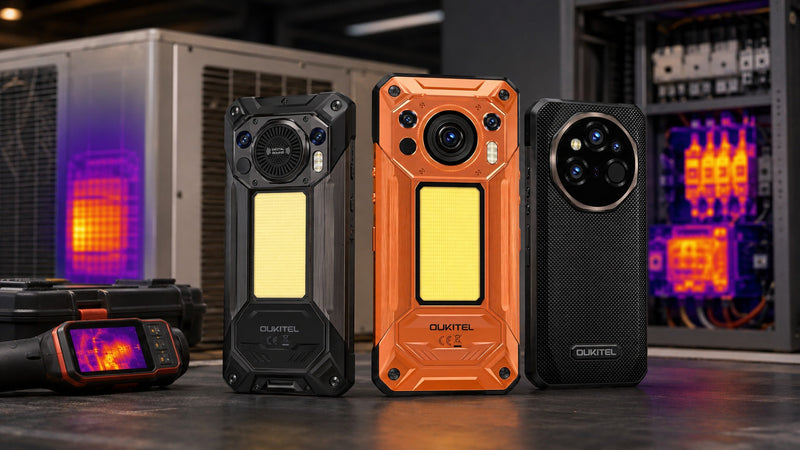
Thermal imaging can help users detect heat differences that a regular camera cannot show. This can be useful for electricians, maintenance teams, inspectors, HVAC workers, and field technicians who need to check equipment, insulation, leaks, overheating parts, or temperature changes.
Before paying extra for thermal imaging, consider whether you will use it often enough:
- Work users may benefit from thermal checks during inspections or repairs.
- Outdoor users may find it useful in some night or emergency situations.
- Daily users usually do not need thermal imaging unless they have a specific use case.
Thermal imaging is a practical professional feature, but it should not be treated as a must-have for every rugged phone buyer. If you only need durability, battery life, and normal smartphone functions, your money may be better spent on battery, display, or performance.
Programmable Buttons
Programmable buttons are useful because they let you open key tools quickly without digging through menus. Depending on the phone, you may be able to assign a button to the flashlight, camera, push-to-talk function, SOS feature, barcode app, work app, or another shortcut.
This feature is especially helpful for:
- Workers who need fast access to communication tools.
- Outdoor users who often use the flashlight, camera, or emergency functions.
- Delivery drivers and field teams who rely on specific apps during the day.
- Users who wear gloves and need simpler physical control.
A programmable button may seem small, but it can make the phone easier to use in real conditions. For rugged phone buyers, physical shortcuts are most valuable when speed and convenience matter during work or outdoor use.
Night Vision Cameras
Night vision cameras can help capture images or video in very low-light environments. This can be useful for security work, camping, night inspections, wildlife observation, emergency checks, or outdoor travel after dark.
When comparing night vision features, check:
- Whether the phone uses infrared night vision or regular low-light enhancement.
- The effective viewing distance in dark conditions.
- Whether night images are clear enough for your actual use.
- Whether you need this feature for work, security, or outdoor activity.
Night vision can be useful, but it is not the same as professional surveillance equipment. If you need to document dark areas, inspect sites at night, or use your phone outdoors after sunset, it can add real value. If most of your use is daytime work or daily carry, it may not be a priority.
Size and Weight
Size and weight are easy to overlook, but they affect how comfortable a rugged phone feels every day. Rugged phones are usually larger and heavier than regular smartphones because they often include thicker protection, larger batteries, reinforced corners, and extra hardware features.
Before buying, think about how you will carry and use the phone:
- Jobsite users may accept more weight if the phone offers stronger protection and longer battery life.
- Outdoor users may prefer a larger battery, even if the phone feels heavier in a backpack or pocket.
- Daily users should pay closer attention to thickness, grip, pocket comfort, and one-hand use.
- Drivers and field workers should check whether the phone fits mounts, bags, pockets, or work gear.
A heavier rugged phone is not always a problem if it supports your work or outdoor needs. The real risk is buying more rugged phone than you actually need. If you need maximum battery life, stronger protection, or jobsite tools, a larger body may be worth it. If you mainly want everyday durability, a more balanced rugged phone will usually be easier to carry and use every day.
Conclusion
A rugged phone is worth buying when a regular smartphone cannot handle your work, travel, or outdoor conditions. Before choosing one, look past the tough exterior and compare durability ratings, battery life, charging speed, display readability, performance, storage, carrier compatibility, utility features, and size.
For users who mainly need long battery life for fieldwork, camping, or emergency backup, a large-battery model such as the OUKITEL WP61 Plus can be a more practical choice than a standard smartphone.
FAQ
Can a rugged phone replace a regular smartphone?
Yes. A rugged phone can replace a regular smartphone if it supports the apps, network bands, camera quality, and performance you need. The main difference is that it adds stronger protection, larger battery options, and outdoor-focused features.
Do rugged phones work with all carriers?
Not always. Rugged phones do not automatically work with every carrier, even when they are sold as unlocked models. Before buying, check the supported network bands, 4G or 5G compatibility, VoLTE support, and whether the phone works with your carrier’s SIM card and plan.
Do rugged phones take good photos?
Some rugged phones take good photos, especially models with higher-resolution cameras and better image processing. However, camera quality can vary by model, so buyers should check real camera specs, sample photos, and low-light performance before buying.
How long does a rugged phone usually last?
A rugged phone can usually last several years if the hardware, battery, and software remain reliable. Its lifespan depends on build quality, battery health, software support, and how harshly it is used.
Do rugged phones need a case or screen protector?
A rugged phone does not always need a heavy case, but a screen protector is still useful. Rugged bodies help protect against drops and rough use, while a screen protector adds another layer against scratches, cracks, and jobsite damage.
Are rugged phones good for daily use?
Yes, rugged phones can be good for daily use if you choose the right size and performance level. For everyday carry, avoid buying a model that is too heavy or oversized unless you truly need maximum battery life and heavy-duty protection.
What matters most when choosing a rugged phone for work?
For work use, durability ratings, battery life, screen readability, glove or wet touch support, and carrier compatibility matter most. These features affect whether the phone can survive rough conditions and stay usable during long shifts, outdoor tasks, field service, or jobsite communication.


Leave a comment
Your email address will not be published. Required fields are marked *