


A thermal camera detects heat instead of visible light. It reads infrared energy from people, objects, machines, or buildings and turns it into a visible heat image, making it easier to spot temperature changes that normal cameras cannot show.
In this guide, we’ll explain how thermal cameras work, how they differ from regular cameras, night vision cameras, and infrared thermometers, what they are commonly used for, and how to choose a rugged phone with a thermal camera for outdoor or field work.
How Do Thermal Cameras Work?
Thermal cameras work by detecting infrared radiation. Every object gives off some heat, even if it looks completely still or dark. A thermal camera collects that heat information through a special sensor and turns it into a thermal image.
Unlike a normal camera, it does not need sunlight, room light, or flash. It reads heat patterns. For example, a hot electrical wire, a warm pipe behind a wall, or a person standing in the dark can show up clearly because they are warmer than the area around them.
The image you see is not a normal photo. It is a heat map. The colors help you understand which areas are hotter or cooler.

What Makes Thermal Cameras Different From Other Cameras?
Thermal cameras are not made to capture colors, faces, or fine visual details like a regular camera. They are made to show temperature differences. That makes them helpful for inspection, safety, repair work, and outdoor use.
Thermal Camera vs Regular Camera
A regular camera captures visible light. It is good for photos, videos, colors, and details. But it needs light to work well.
A thermal camera detects heat. It can work in darkness and show temperature changes, but it will not show natural colors or sharp visual details like a normal photo.
Thermal Camera vs Night Vision Camera
A night vision camera helps you see in the dark by using weak light or infrared fill light. It still depends on some kind of light source.
A thermal camera does not need light. It detects heat, so it can work even in total darkness. This makes it useful for search, outdoor safety, emergency use, and field inspection.
Thermal Camera vs Infrared Thermometer
An infrared thermometer checks the temperature of one spot. It is simple and fast, but it only gives you a single reading.
A thermal camera shows a whole heat image. You can scan a wall, machine, pipe, or electrical panel and quickly see where the unusual hot or cold areas are.
Thermal Camera Comparison
To make the differences easier to understand, here is a simple comparison of how each device captures information and where it is most useful.
|
Device |
Imaging Method |
Light Requirement |
What It Detects |
Main Advantage |
Main Limitation |
|
Thermal Camera |
Detects infrared heat |
No visible light needed |
Heat patterns and surface temperature differences |
Works in darkness and shows hidden heat issues |
Does not show normal visual detail clearly |
|
Regular Camera |
Captures visible light |
Needs light |
Colors, shapes, and details |
Best for normal photos and videos |
Poor in darkness |
|
Night Vision Camera |
Uses low light or infrared light |
Needs some light or IR fill light |
Objects in dark scenes |
Better visual detail at night |
Does not detect heat directly |
|
Infrared Thermometer |
Measures one temperature point |
No visible light needed |
Single spot temperature |
Fast and easy to use |
No full image or heat map |
Thermal cameras are best when you need to find heat patterns, while the other devices are better for normal images, low-light viewing, or quick single-point temperature checks.
What Are Thermal Cameras Used For?
Electrical Inspection
In electrical work, thermal cameras can help find overheating wires, breakers, panels, or connections before the problem becomes visible. By scanning the area, workers can notice abnormal hot spots earlier and reduce the risk of equipment failure, downtime, or fire.
Construction and Plumbing Checks
In construction and plumbing, thermal cameras can help detect heat loss, missing insulation, water leaks, or hidden pipe patterns. They do not see through walls, but they can show surface temperature differences. If a leak, pipe, or insulation gap changes the wall temperature, the camera may reveal that pattern.
Camping, Hiking, and Emergency Use
Thermal cameras are also useful outdoors. Campers, hikers, and rescue workers can use them to detect people, animals, fire remains, or warm objects in dark or low visibility areas. Rain, fog, snow, and humidity may affect image clarity, but thermal imaging can still provide extra visibility in many outdoor situations.
Field Work and On-Site Inspection
Many thermal imaging tasks happen outdoors, on job sites, at repair locations, or during emergency work. In these situations, the device needs to do more than detect heat. It also needs to handle drops, dust, rain, weak light, long shifts, and rough daily use.
That is why a rugged phone with a thermal camera can be more practical for field workers than a regular smartphone. It is also easier than carrying a separate thermal imager, especially when you also need calls, maps, photos, reports, and battery life in one device.
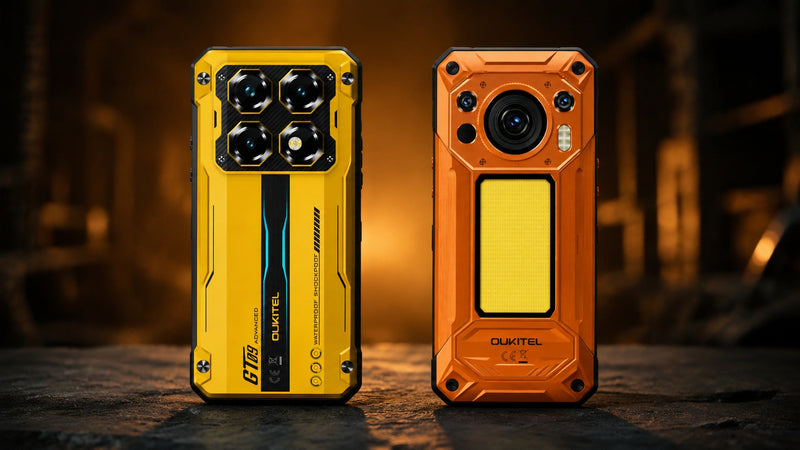
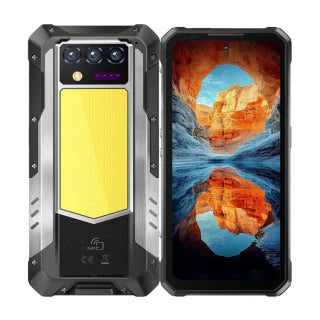
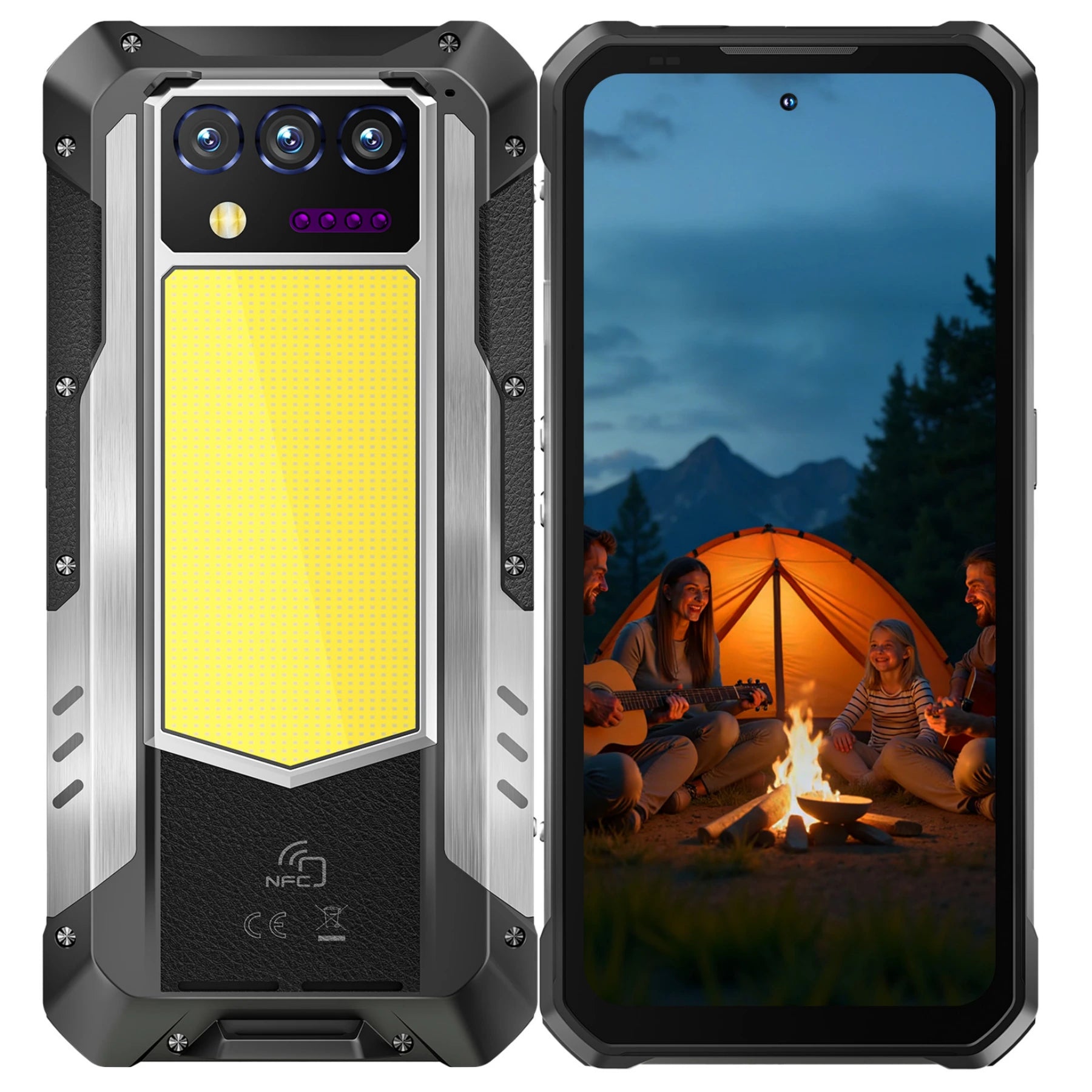
For example, the OUKITEL WP61 Ultra 5G Thermal Imaging Rugged Phone is built for this kind of use. It comes with InfiRay thermal imaging, a 20,000mAh battery, a 108MP main camera, an 8MP night vision camera, and rugged protection with IP68, IP69K, and MIL-STD-810H ratings. It fits users who need thermal checks, long battery life, and a tough phone for outdoor work, construction sites, repairs, or emergency use.

How to Choose a Rugged Phone With a Thermal Camera
Thermal imaging can help you see heat patterns in the field, but the actual experience also depends on the phone that carries it. When choosing a rugged phone with a thermal camera, look at both the thermal feature and the phone’s durability, battery life, camera support, and everyday field performance.
Check the Thermal Camera Resolution
Thermal resolution affects how clear the heat image looks. A higher resolution can help show smaller hot spots and sharper heat patterns. For basic outdoor use, a simple thermal camera may be enough. For inspection, repair, or professional work, clearer thermal detail is more useful.
Look at the Temperature Detection Range
The temperature range is also important. Some thermal cameras are made for basic checks, while others can handle hotter machinery, electrical parts, engines, or industrial equipment. Before buying, check whether the phone can detect the temperature range you actually need for your work.
Choose Rugged Protection for Outdoor Work
If you use the phone outdoors or on job sites, rugged protection matters. Look for water resistance, dust resistance, drop protection, and strong screen durability. Ratings like IP68, IP69K, and MIL-STD-810H are useful signs that the phone is built for tougher environments.
Make Sure the Phone Fits Your Daily Needs
Thermal imaging is only one part of the experience. For daily use, the phone should also last through long shifts, store photos and inspection files easily, run work apps smoothly and offer privacy features for work or business data.
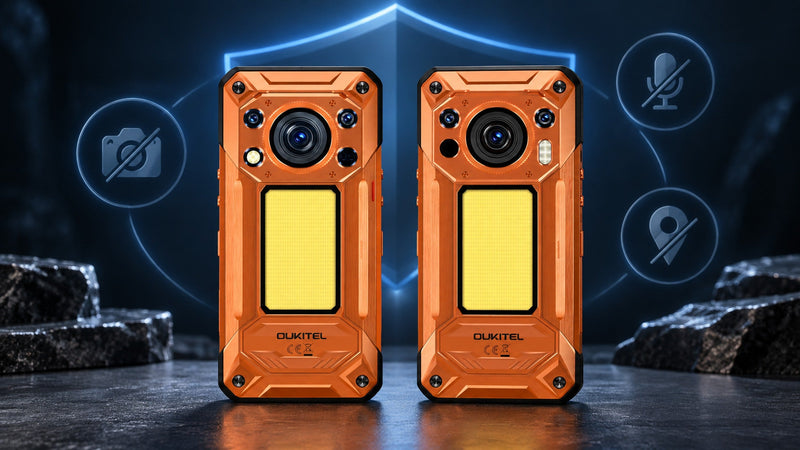
The OUKITEL WP500 Ultra Thermal Imaging 5G Rugged Phone is a good example. It combines AI thermal imaging with stronger performance, large storage, a 10000mAh battery, 45W fast charging, and privacy-focused features. Its Privacy Kill Switch can disable the camera, microphone, and GPS, which is useful for users who care about data security at work.
It also works as a daily 5G smartphone, so users do not need to carry one phone for work and another for normal use.
Should You Choose a Rugged Phone or a Thermal Camera?
The better choice depends on how often you use thermal imaging and what else you need from the device. A standalone thermal camera is better for specialized inspection work, while a rugged phone with a thermal camera is more practical for users who need one device for daily field tasks.
- For professional thermal inspection: choose a standalone thermal camera if you need higher thermal accuracy, advanced reports, specialized controls, or more detailed thermal analysis.
- For daily field work: choose a rugged phone with a thermal camera if you need heat detection together with phone calls, photos, navigation, messaging, notes, and long battery life.
- For outdoor and emergency use: a rugged phone can be easier to carry and more useful in everyday situations. It may not replace every professional thermal camera, but it works well for electricians, inspectors, engineers, outdoor workers, and emergency users who need a practical all-in-one device.
FAQ
Is thermal vision illegal?
Thermal vision itself is not usually illegal. It is a tool for detecting heat. But how you use it matters. Privacy, security, hunting, and workplace rules may vary by country or region, so always check local laws before using it in sensitive situations.
Does a thermal camera see through walls?
No. A thermal camera does not see through walls. It detects surface temperature. If something behind a wall changes the wall’s surface temperature, such as a pipe, leak, or insulation gap, the camera may show a related heat pattern.
Do thermal cameras work in total darkness?
Thermal cameras can work in total darkness because they detect heat, not visible light. This makes them useful at night, in dark rooms, or in low visibility environments.
Is thermal imaging safe for people and pets?
Thermal imaging is safe in normal use. A thermal camera only detects heat coming from people, pets, and objects. It does not send harmful radiation toward them.
Does weather affect thermal camera performance?
Rain, fog, snow, humidity, and long distances can reduce thermal image clarity. Thermal cameras still work outdoors, but results are usually better in clear conditions.
Conclusion
Thermal cameras work by detecting infrared heat and turning it into a visible heat image. They are useful for electrical checks, construction, plumbing, camping, emergency use, and field inspection.
If you need advanced inspection features, a standalone thermal camera may be better. But if you want thermal imaging, communication, photos, navigation, long battery life, and rugged protection in one device, a rugged phone with a thermal camera is often the more practical choice.



Leave a comment
Your email address will not be published. Required fields are marked *