
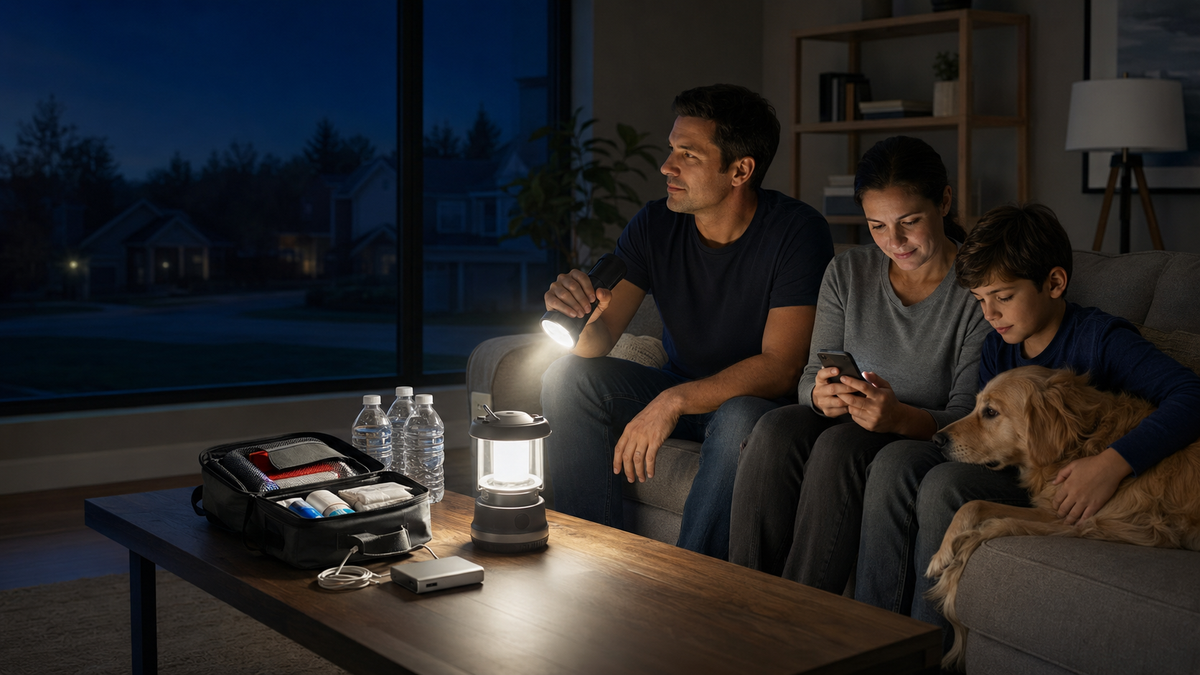
When the power goes out at night, first find a flashlight, keep everyone in a safe area, and check whether the outage affects only your home or the wider neighborhood. Report the outage, unplug sensitive electronics, conserve phone power, and avoid candles, indoor generator use, or unsafe heating equipment that could create fire or carbon monoxide risks. The steps below will help you protect your household and stay comfortable until electricity returns.
First Steps When the Power Goes Out at Night
The first few minutes should focus on safe lighting, identifying the cause, and keeping everyone away from hazards.

Stay Calm and Find a Safe Light Source
Pause where you are and check for stairs, furniture, broken glass, or other nearby hazards before moving. Use the closest available flashlight, headlamp, or phone light, then guide everyone to the designated gathering area. Avoid sending someone through the home alone to search for supplies.
Check Whether the Outage Affects Your Home or Area
Look outside for streetlights and check whether neighboring homes still have power. If the outage appears limited to your home, check the breaker panel only when the area is dry, well lit, and safely accessible. Look at the breaker positions without removing the panel cover or touching any wiring. Do not repeatedly reset a tripped breaker, especially if you notice sparks, smoke, buzzing, or a burning smell; keep the power off and contact an electrician. The American Red Cross recommends having tripped breakers inspected before they are switched back on.
Report the Outage and Check Official Updates
Use your utility company’s website, app, text service, or outage hotline to report the problem and check the estimated restoration time. Follow local emergency alerts if severe weather, wildfire, flooding, or damaged power lines may be involved. Never approach a fallen line or anything touching it.
Bring Family Members and Pets to a Safe Area
Gather everyone in a familiar room with clear floors and easy access to emergency supplies. Account for children, older adults, pets, and anyone who relies on powered medical equipment. Close off stairs, balconies, garages, and cluttered areas until safe lighting is available.
Keep Your Home Safe in the Dark
Limited visibility makes ordinary household tasks more dangerous. Reduce movement, remove immediate hazards, and avoid equipment that produces flames, heat, or exhaust indoors.
Use Flashlights Instead of Candles
Use flashlights, headlamps, or battery-powered lanterns as your main light sources. Place them where they illuminate the floor without creating glare. Candles can be knocked over by children, pets, or someone moving through the dark, so battery lighting is the safer choice.
Avoid Cooking and Electrical Work in the Dark
Choose ready-to-eat food until you have adequate lighting. Avoid open flames, hot cookware, and sharp tools when visibility is poor. Do not open the electrical panel, repair wiring, or connect unfamiliar backup equipment in the dark. If you see smoke or sparks, smell strong burning odors, or notice heat around an outlet, leave the affected area and call emergency services. For persistent buzzing, repeated breaker trips, or other electrical problems without an active fire, keep the circuit off and contact a licensed electrician.
Use Backup Heat and Generators Safely
Never heat your home with a gas stove, oven, charcoal grill, or outdoor heater. Fuel-powered generators must stay outdoors and at least 20 feet from doors, windows, and attached garages, with exhaust directed away from the home. Do not run one in a garage, even with the door open. Battery power stations can be used indoors when operated according to the manufacturer’s instructions. These precautions help prevent fire and carbon monoxide poisoning, as advised byReady.gov.
Secure Doors, Stairs, and Walkways
Lock exterior doors and keep one clear route between the main room, bathroom, and exit. Place lights near stairs, thresholds, and hallway turns, and remove cords, toys, and loose rugs from walking paths. Use a physical barrier to keep children and pets away from stairways or damaged areas.

Stay Connected and Conserve Backup Power
Your phone may become your main source of communication and emergency information during an outage. Preserve its battery for essential tasks, especially when the restoration time is unclear.
Turn On Battery Saver and Reduce Screen Brightness
Enable battery saver or low-power mode as soon as the outage begins. Lower the screen brightness, shorten the screen timeout, and disable Bluetooth and background app refresh when they are not needed. Keep emergency alerts enabled. Use airplane mode only during planned periods when you do not need incoming calls, texts, utility updates, or weather warnings, and reconnect at regular intervals.
Use Text Messages and Limit Unnecessary Phone Use
Text messages use less power and may go through when mobile networks are congested. Keep calls brief, avoid streaming video, and ask family members to send short status updates instead of calling repeatedly. Designate one person to check utility updates so several phones are not performing the same task.
Keep Emergency Contacts and Offline Information Ready
Save essential information on the phone and keep a written copy in your emergency kit in case the battery runs out.
- Utility company outage number
- Local emergency and non-emergency numbers
- Family and nearby neighbors’ contacts
- Medical providers and pharmacy details
- Offline maps and evacuation routes
- Medication and insurance information
Use Your Phone for Alerts, Navigation, and Low-Light Checks
Prioritize phone use according to the situation:
|
Phone function |
When to use it |
|
Emergency alerts |
Severe weather, evacuation, or public safety updates |
|
Calls and texts |
Family check-ins and urgent assistance |
|
Offline maps |
Finding safe routes when internet service fails |
|
Flashlight or camera |
Brief checks in dark areas |
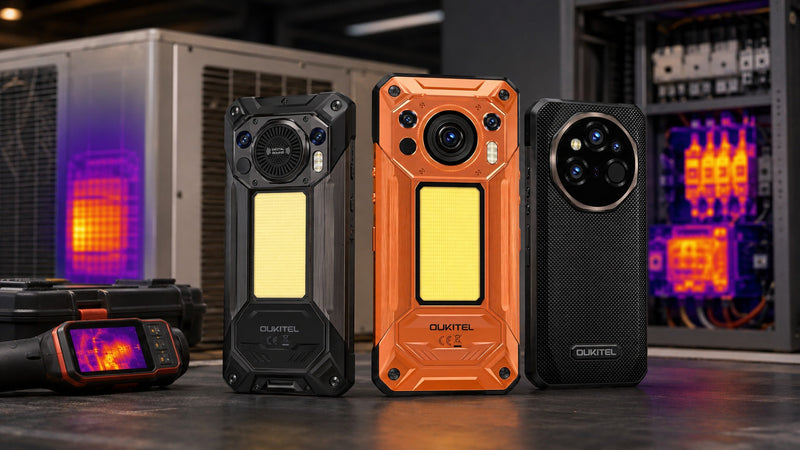
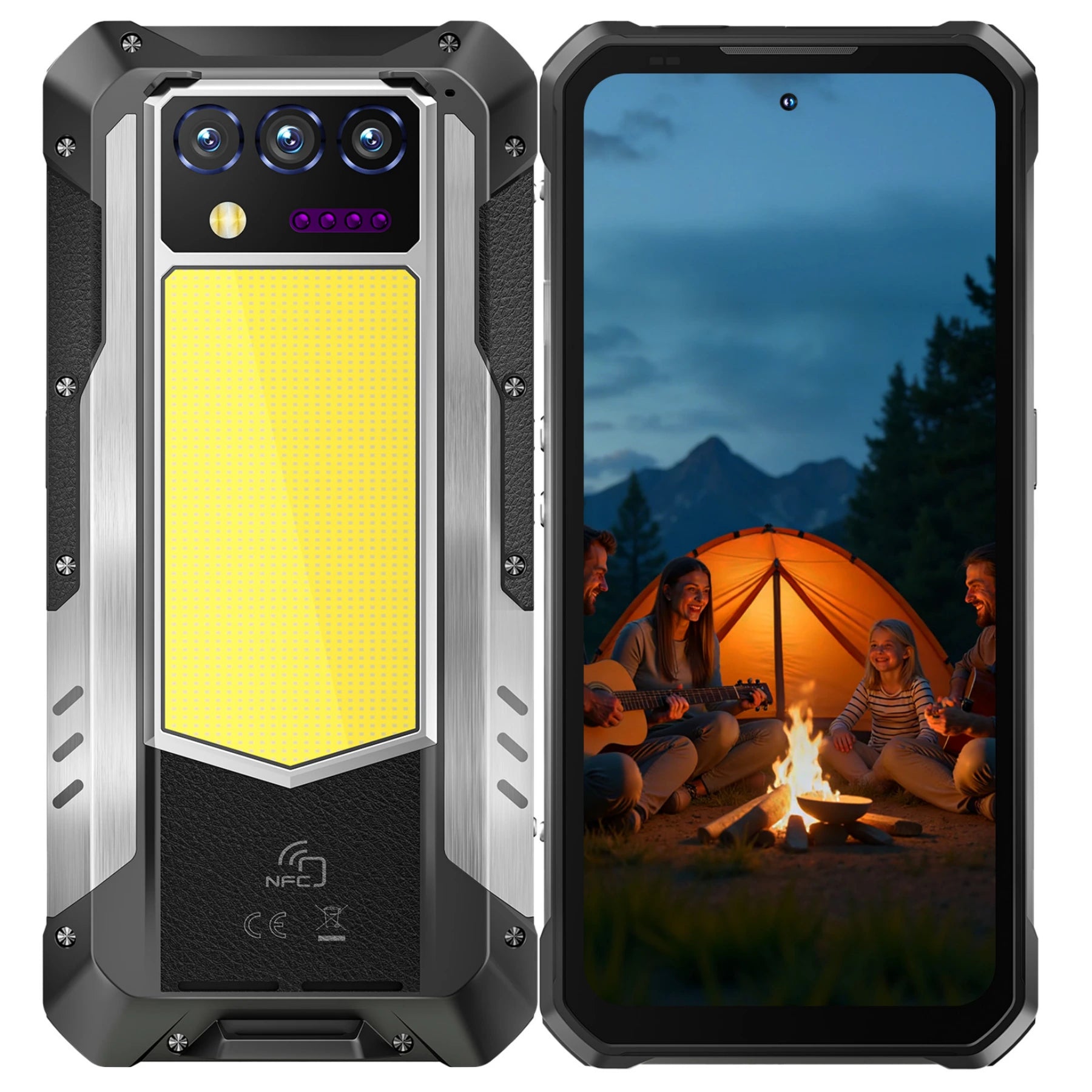
During a nighttime power outage, a phone can help you receive alerts, contact family, check utility updates, and access saved information. Since charging options may be limited, a large battery can keep these functions available longer. The OUKITEL WP68 Air comes with an 8,000mAh battery and a manufacturer-rated standby time of up to 1,025 hours under controlled conditions. Actual runtime depends on signal strength, screen use, alerts, and other active features. Its 8MP infrared night vision camera can help users view familiar hallways or outdoor areas in low light, although it should not replace proper lighting or encourage entry into damaged electrical spaces.
Stay Safe and Comfortable Through the Night
Once immediate hazards are controlled, focus on temperature, health needs, and a sleeping setup that reduces unnecessary movement.

Manage Indoor Temperature Without Unsafe Heating
In cold weather, close curtains and unused rooms, wear dry layers, and gather in a smaller interior space to retain heat. In hot weather, move to the coolest level of the home, loosen clothing, and drink water regularly. Avoid sleeping in a vehicle or enclosed space with the engine running.
Prepare for Children, Seniors, Pets, and Medical Needs
Check anyone who may have difficulty regulating body temperature or moving safely in the dark. Keep medications, drinking water, pet supplies, and mobility aids within reach. If a powered medical device is essential, contact the equipment provider, utility company, or emergency services before its backup battery becomes low.
Create a Safe Sleeping Area
Choose a room with a clear exit, stable temperature, and space for everyone to rest without blocking doors. Keep shoes, water, medication, and an emergency light beside each sleeping area. Infants should continue sleeping on a firm, flat surface without loose bedding.
Limit Movement Around the Home
Use one bathroom and one main living or sleeping area where possible. Ask everyone to announce when they are moving and avoid basements, garages, and outdoor areas unless necessary. This reduces falls and helps caregivers keep track of children, pets, and vulnerable family members.
Know When It Is Safer to Leave
Relocate if indoor temperatures become unsafe, medical equipment cannot operate, the home has flood or electrical damage, or carbon monoxide alarms sound. Follow evacuation instructions and choose a shelter, hotel, or trusted home with working heat, cooling, and power.
What to Do When the Power Comes Back On
Restored electricity does not always mean every system is immediately safe. Bring equipment back online gradually and check for food spoilage or hidden damage.
Wait Before Reconnecting Major Appliances
Wait until the lights remain steady, then reconnect refrigerators, HVAC systems, and other major appliances one at a time. This makes it easier to identify problems and reduces exposure to possible voltage fluctuations immediately after service is restored. Ready.gov also advises disconnecting equipment during an outage to reduce damage from power surges. Stop if lights flicker repeatedly, breakers trip, or outlets smell hot.
Check Refrigerated and Frozen Food
A closed refrigerator generally keeps food cold for about four hours. A full freezer may maintain a safe temperature for approximately 48 hours, or about 24 hours when half-full. Discard perishable food that has been above 40°F for more than two hours, has an uncertain temperature, or was exposed to floodwater. Never taste food to determine whether it is safe. Refer toFoodSafety.gov’s food safety guidance during power outages for item-specific recommendations.
Recharge Phones and Emergency Equipment
Recharge phones, power banks, medical-device batteries, flashlights, and rechargeable radios first. Replace any batteries or supplies used during the outage so the emergency kit is ready if power fails again.
Inspect the Home and Record Any Damage
Check appliances, outlets, plumbing, alarms, and the electrical panel for unusual heat, odors, leaks, or error messages. Photograph damaged equipment and spoiled food before disposal if you may file an insurance claim. Contact a qualified professional rather than using equipment that sparks, overheats, or repeatedly trips a breaker.
FAQ
Should You Leave One Light Switched On Overnight?
Yes. Leave one low-wattage lamp switched on so you know when electricity returns. Choose a light in a central room rather than a bedroom, where sudden illumination could disturb sleep.
What Should You Do If Mobile Service Is Unavailable?
Use a battery-powered or hand-crank radio for local instructions. A traditional landline may still work if it does not require household power. If communication is urgent, check with a nearby neighbor or go to a designated emergency location when travel conditions are safe.
Can You Manually Open an Electric Garage Door During an Outage?
Most electric garage doors have an emergency release cord. Pull it only when the door is fully closed, then lift the door carefully by hand. A door with broken springs may be extremely heavy, so stop if it does not move smoothly and use another exit.
How Can You Keep Home Security Systems Working During a Blackout?
Use a security hub, router, and cameras with built-in batteries or a compatible UPS. Cellular backup can keep alerts working if home internet fails, although individual cameras may still lose connection. Check the system’s status in its app and test backup batteries regularly rather than assuming every device remains active.
How Should Apartment Residents Handle a Nighttime Outage?
Contact building management and confirm whether elevators, entry systems, water pumps, and emergency lighting are affected. Avoid elevators until the building confirms normal operation. Keep apartment doors locked, use illuminated stairwells only when necessary, and follow building-specific evacuation instructions.
Conclusion
A nighttime power outage becomes easier to manage when everyone knows where to gather, which supplies to use, and when conditions require leaving the home. Review your emergency setup after each outage, replace used supplies, and address any gaps before the next disruption.







Leave a comment
Your email address will not be published. Required fields are marked *