
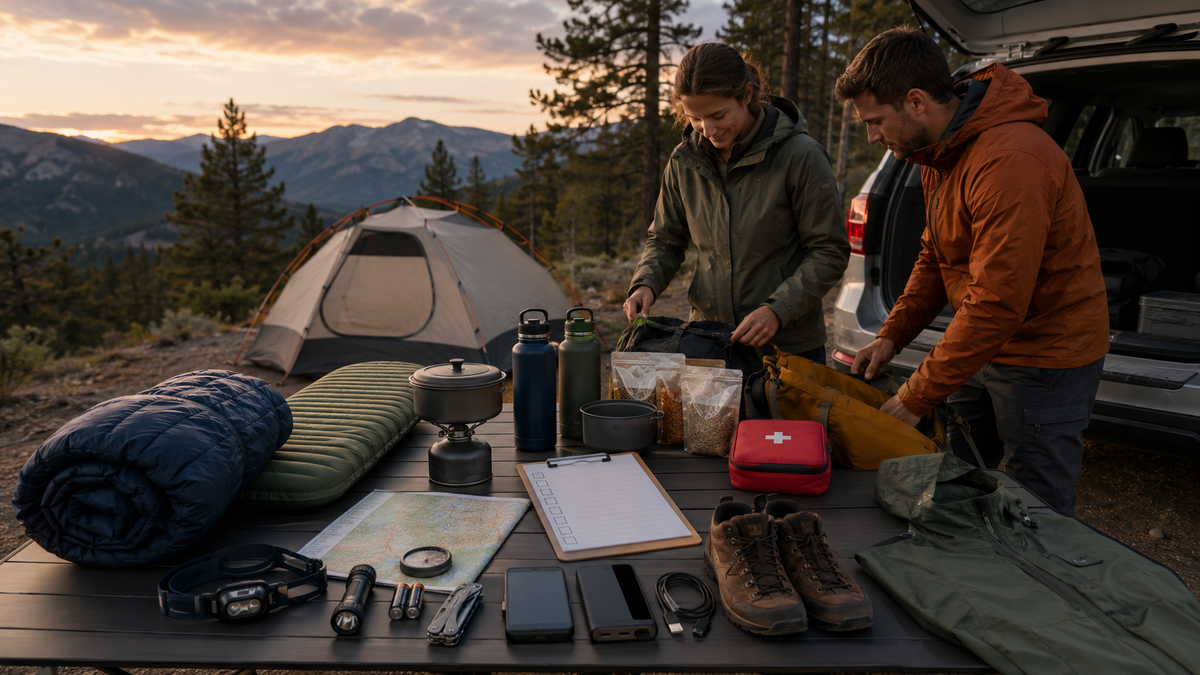
A complete camping checklist should cover shelter, sleeping gear, cooking supplies, food, water, clothing, lighting, first aid, navigation, and backup power. Use the printable checklist below to organize essentials, adjust quantities for your group and trip length, and avoid leaving important gear at home. You can preview it online or download a free copy for packing.
Printable Camping Checklist Preview
Use this camping checklist as a starting point, then adjust the quantities and optional items for your destination, group size, weather, and trip length.
|
Category |
Essential gear |
|
Shelter |
Tent, footprint, poles, stakes, guylines, rainfly, repair kit |
|
Sleeping |
Sleeping bag, sleeping pad, pillow, sleepwear, extra blanket |
|
Cooking |
Camp stove, fuel, lighter, cookware, utensils, can opener |
|
Food and water |
Meals, snacks, drinking water, cooler, water treatment |
|
Clothing |
Base layers, warm layer, rain jacket, sturdy shoes, spare socks |
|
Health and hygiene |
First aid kit, medication, sunscreen, insect repellent, toiletries |
|
Navigation and safety |
Paper map, compass, whistle, emergency blanket, weather radio |
|
Lighting and power |
Headlamp, flashlight, spare batteries, phone, power bank, cables |
|
Campsite supplies |
Camp chairs, table, trash bags, cord, duct tape, multi-tool |
|
Personal items |
Identification, permits, reservation details, cash, keys |
Download the Free Printable Camping Checklist
Save a printable copy before your trip and check off each item as it goes into your vehicle or backpack.
[Download the Free Camping Checklist]
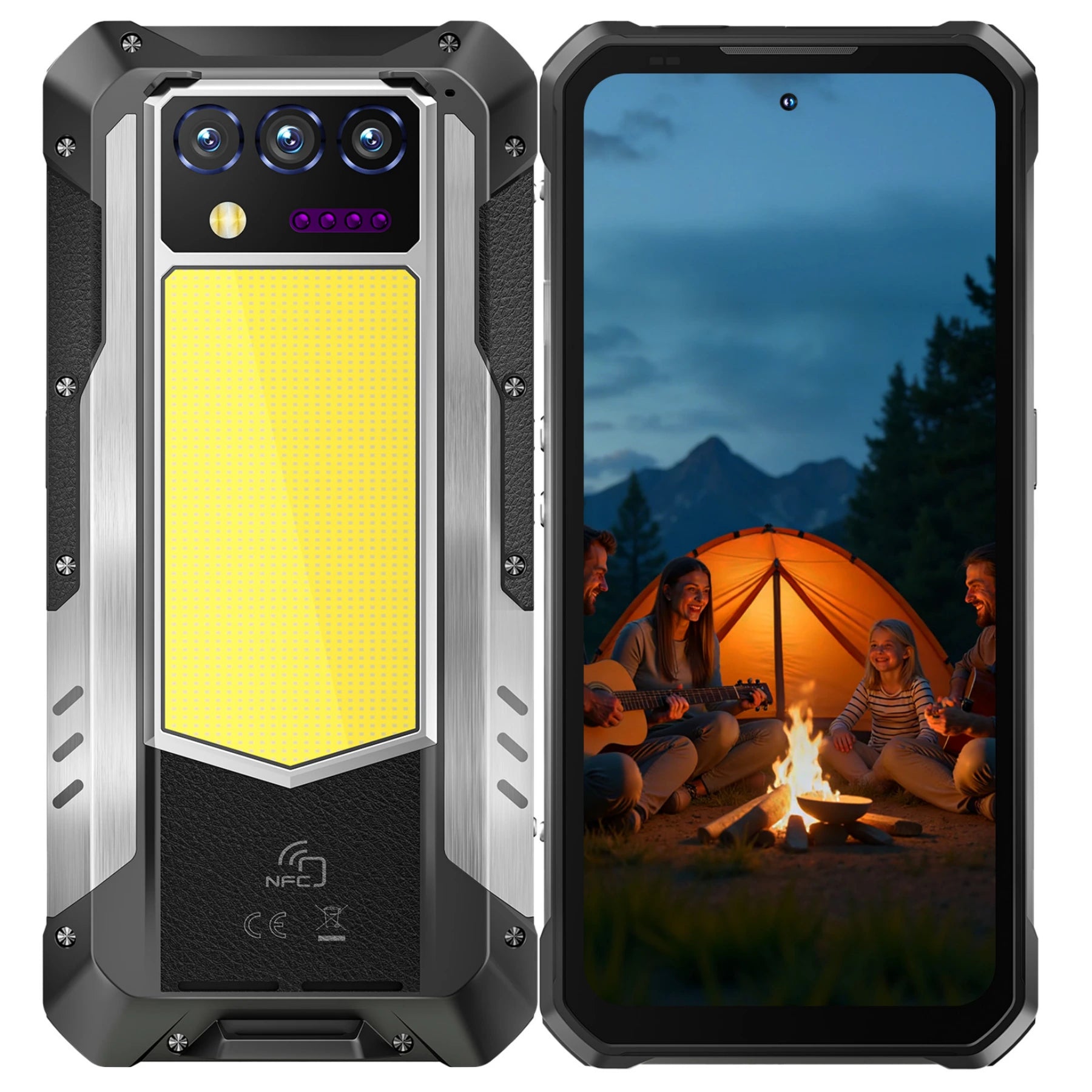
Featured Camping Essential: OUKITEL WP100 Titan
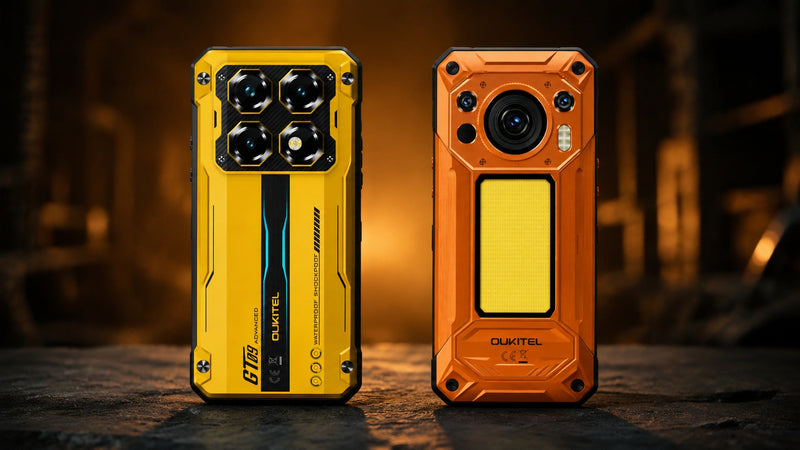
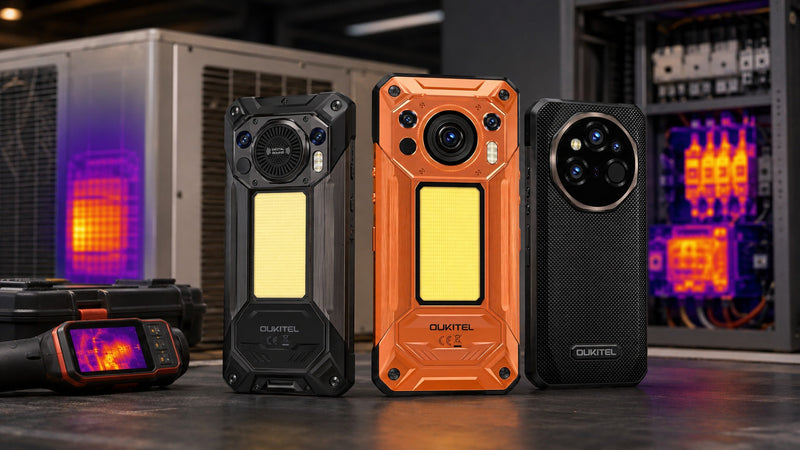
For campers who want to reduce the number of separate devices they carry, the OUKITEL WP100 Titan combines communication, backup power, and campsite lighting in one rugged phone.
One Device for Lighting, Power, and Communication
Its 33,000mAh battery supports extended access to offline maps, campsite information, weather updates, photos, and emergency contacts during trips away from electrical outlets. With 18W reverse charging, it can also supply power to compatible small devices when needed.

After dark, the built-in 1,200-lumen camping light can illuminate a tent, cooking station, picnic table, or nearby campsite. This combination makes the WP100 Titan especially useful for family camping, car camping, and longer stays. Keep a separate headlamp or flashlight for hands-free use and as a backup, especially when phone battery power needs to be reserved for navigation or communication.
Ready to Pack Smarter for Your Next Trip?
Bring reliable lighting, backup power, access to offline maps, and communication tools together in one rugged device built for the outdoors.
Explore the OUKITEL WP100 Titan
Customize Your Camping Checklist
A general camping checklist is a starting point. Adjust it around how you travel, how long you will stay, and which services are actually available at the campsite.
Adjust Gear for Your Camping Style and Trip Length
Car campers can pack larger tents, camp furniture, cooking equipment, and extra water because gear stays close to the vehicle. Backpackers need lighter, multipurpose items and should track total pack weight carefully. Family and group trips require more sleeping space, food, lighting, first aid supplies, and backup clothing. For longer stays, increase essential consumables or plan reliable resupply points, then decide how batteries, water, and waste will be managed throughout the trip.
Account for Weather and Campsite Facilities
Check daytime and nighttime temperatures, rain, wind, and sun exposure before finalizing the list. Add warm layers, rain protection, shade, or extra water as conditions require. Confirm whether the campsite provides potable water, toilets, showers, fire rings, food storage, electrical hookups, and mobile coverage. Also review local fire restrictions and wildlife rules so you do not pack equipment you cannot use.
Camping Essentials People Commonly Forget
Campers usually remember the tent, sleeping bag, and food, but smaller accessories often determine whether those items work properly. Check each setup as a complete system before packing.

Shelter and Sleeping Setup Accessories
Tent accessories are easy to overlook, but missing stakes, guylines, or repair supplies can affect the entire shelter setup.
Commonly forgotten items include:
- Tent stakes, guylines, and a stake mallet
- Groundsheet or tent footprint
- Sleeping pad repair kit
- Extra cord and duct tape
- Pillow or stuff-sack pillow
- Earplugs and an eye mask
- Dry clothes reserved for sleeping
Pack tent poles, stakes, and the rainfly together, then inspect them before leaving.
Cooking, Cleanup, and Personal Care Items
Remember the items needed to open, prepare, serve, and clean up food. Pack a lighter or ignition backup, can opener, cooking utensils, cutting surface, biodegradable soap, sponge, trash bags, and food-storage containers. Use soap away from lakes, streams, and other natural water sources. Personal supplies may include toilet paper, hand sanitizer, a quick-dry towel, sunscreen, insect repellent, and menstrual products. Keep cooking and personal hygiene items in separate labeled bags.
First Aid and Emergency Backup Gear
Bring blister care, bandages, antiseptic, pain relief, allergy medication, personal prescriptions, and tweezers. Add a backup flashlight, spare batteries, whistle, emergency blanket, paper map, and a way to start a fire where permitted. Check expiration dates and tailor the kit to allergies, medical conditions, planned activities, and the distance from emergency services.
Plan Food, Water, and Camp Power
Food, water, and battery needs depend on group size, activity level, weather, and campsite access. Calculate them before packing instead of relying on rough estimates at the last minute.

Calculate Food and Water for Your Group
Plan each meal and snack by person and day, then add a small reserve for delays or higher energy use. Choose food that matches your cooking setup and does not depend on equipment you are not bringing.
Use this basic calculation:
Daily amount per person × number of campers × number of days + reserve
Apply the formula separately to drinking water, cooking water, meals, snacks, and pet supplies. Increase water for hot weather, strenuous activity, dry locations, and campsites without a verified potable source. If you plan to use natural water, confirm that sources are available and permitted, then carry a treatment method appropriate for local risks plus a backup option.
Estimate Charging and Backup Power Needs
List every device, how often it will be used, and whether it performs an essential function.
|
Device |
Priority |
Power planning |
|
Phone |
High |
Preserve power for maps, weather, and communication |
|
Flashlight or headlamp |
High |
Carry spare batteries or a separate backup light |
|
Medical device |
Essential |
Calculate full runtime and bring a dedicated backup |
|
Camera or speaker |
Low |
Limit use if stored power becomes low |
|
Small accessories |
Varies |
Confirm cable type and charging compatibility |
Charge everything before departure and pack the correct cables and adapters. For multi-day trips, compare total expected demand with the usable output of your power bank or backup source, since conversion losses mean the full advertised battery capacity may not reach connected devices. Keep enough reserve for navigation, emergency communication, and lighting.
FAQ
How Far in Advance Should You Pack for Camping?
Start checking major gear about one week before the trip. Pack most items two or three days ahead, then add refrigerated food, medication, charged devices, and other last-minute essentials before departure.
How Do You Keep a Printed Camping Checklist Dry?
Place the checklist in a resealable waterproof pouch or laminate it for repeated use. Keep it in the top of a dry bag, vehicle organizer, or covered storage bin where it remains easy to access.
Should You Bring a Paper Map With Offline Maps?
Yes. Offline maps are useful, but phones can lose power or become damaged. Carry a current paper map and mark the campsite, trailheads, water sources, emergency exits, and nearby roads before the trip.
How Should You Store Food Around Wildlife?
Follow the campground’s wildlife rules. Use provided food lockers, an approved bear-resistant container, or a hard-sided vehicle with the windows fully closed where vehicle storage is permitted. Store food, trash, cookware, and scented toiletries away from the sleeping area, and never keep them inside the tent.
How Can You Improve Your Checklist After Each Trip?
Note what you forgot, never used, or needed in larger quantities while the trip is still fresh. Update the checklist based on the weather, campsite type, group size, and equipment performance before storing your gear.
Conclusion
A printable camping checklist makes packing easier and helps prevent small but important items from being left behind. Customize it for your destination, group, weather, and trip length, then review it after every trip so it becomes more useful over time.



Leave a comment
Your email address will not be published. Required fields are marked *