
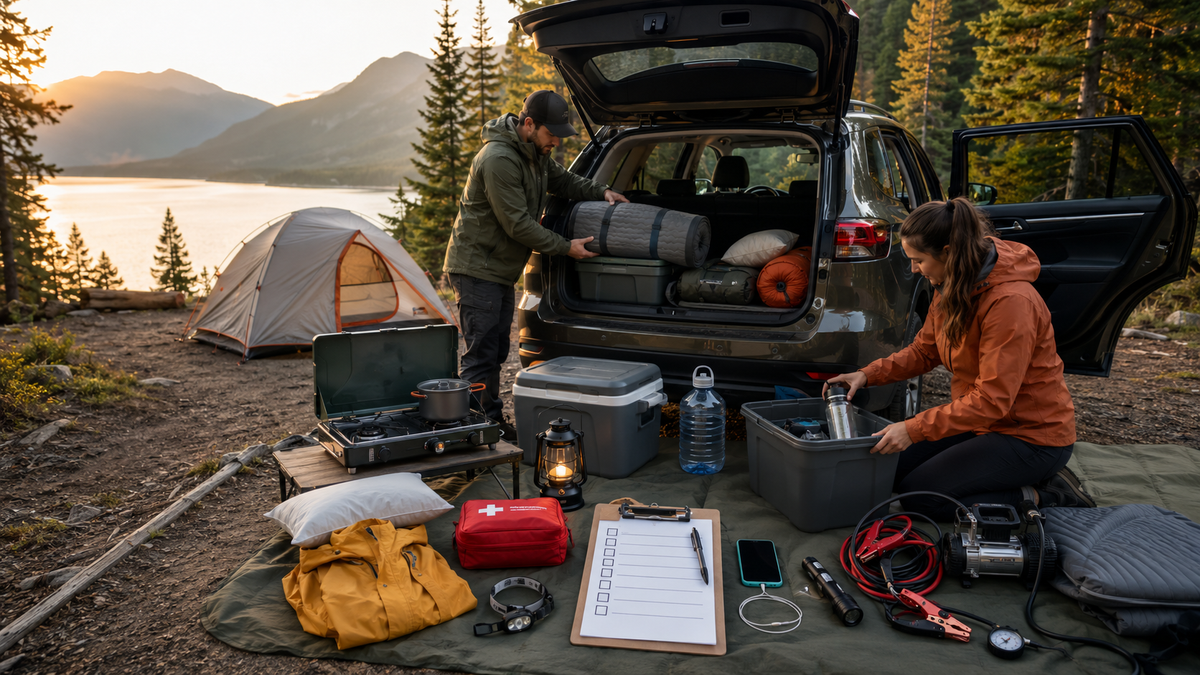
A successful car camping trip starts with the right essentials: a comfortable sleep setup, cooking supplies, food and water, weather-appropriate clothing, lighting, backup power, safety equipment, and basic vehicle tools. The checklist below covers the core gear needed to stay comfortable, organized, and prepared—plus commonly forgotten items that can make a big difference once you arrive at camp.
Car Camping Essentials List
Use this car camping essentials list as a starting point, then adjust quantities and optional gear for your vehicle, group size, trip length, forecast, and available campground facilities.
Complete Car Camping Gear Checklist
|
Category |
Essential Items |
Commonly Forgotten |
|
Shelter and sleeping |
Tent or car mattress, sleeping bag, sleeping pad, pillows, blankets, tarp, camp chairs |
Air pump, repair patches, window covers, extra cord |
|
Kitchen, food, and water |
Stove, fuel, cookware, utensils, cooler, meals, snacks, drinking water, food containers |
Lighter, can opener, condiments, no-cook meal, extra water |
|
Clothing and weather protection |
Base layers, warm jacket, rain gear, spare socks, hiking shoes, camp shoes |
Dry sleepwear, hat, gloves, laundry bag |
|
Hygiene and personal care |
Toiletries, toilet paper, towel, sunscreen, insect repellent, medication |
Hand sanitizer, wet wipes, sealable waste bags |
|
Lighting and power |
Lantern, headlamp, flashlight, power bank, charging cables, car charger |
Spare batteries, backup cable, charging adapter |
|
First aid and safety |
First aid kit, emergency blanket, whistle, fire extinguisher, multi-tool |
Blister care, allergy medication, emergency contacts |
|
Vehicle equipment |
Spare tire, jack, tire gauge, jumper cables, recovery strap, basic tools |
Wheel lock key, tire inflator, spare vehicle key |
|
Storage, cleanup, and comfort |
Storage bins, trash bags, wash basin, folding table, camp rug, privacy screens, portable fan |
Waterproof bags, food waste container, paper towels, earplugs, insect screens |
Pack related items together in labeled bins so you can find them without unloading the entire vehicle. Before leaving, test the stove, lights, air pump, and charging equipment, and confirm that the spare tire, jack, and wheel lock key fit your vehicle. Keep water, first aid supplies, lighting, weather protection, and recovery gear accessible throughout the drive.
Solve Common Car Camping Comfort Problems
Whether you sleep inside the vehicle or use it as the center of your campsite, comfort depends on a level sleeping surface, steady airflow, privacy, and easy access to essential gear. Set up the interior before dark so you can identify gaps, unstable surfaces, and blocked doors early.

Create a Flat and Comfortable Sleeping Area
Park on level ground whenever possible, with your head slightly higher than your feet if the site slopes. Fold the seats according to the vehicle manual. Remove them only if the vehicle is designed for it and the process does not interfere with seat wiring or safety systems. Fill remaining floor gaps with firm foam or a properly secured platform before adding a mattress. Test the setup while lying down; small height differences can cause pressure points and poor sleep.
Improve Ventilation and Reduce Condensation
Open two windows slightly to create cross-ventilation and use fitted rain guards when wet weather is expected. Avoid sealing the vehicle completely overnight, since breathing and damp clothing add moisture to the cabin. Dry wet gear outside the sleeping area and wipe condensation from windows in the morning.
Add Privacy and Keep Insects Out
Use fitted window covers made from opaque, breathable material rather than loose fabric that can interfere with doors or airbags. Install fine-mesh screens over partially opened windows and check for gaps around the edges. Keep interior lights low after dark to reduce insect attraction and preserve privacy.
Organize Limited Space Without Blocking Access
Store equipment by frequency of use: overnight essentials within reach, cooking gear near the rear hatch, and rarely used items underneath the sleeping platform. Keep keys, shoes, a flashlight, and emergency supplies in fixed locations. Leave at least one door clear for a quick exit and avoid stacking heavy items where they could shift into the sleeping area.
Keep Devices Powered Without Draining the Car Battery
Phones, lights, and small electronics can slowly drain a vehicle’s starter battery during an overnight stay. Separate campsite power from the battery needed to start the car, then reserve stored energy for lighting, communication, and navigation.

Separate Camp Power From the Starter Battery
Use a power bank or portable power station for overnight devices instead of leaving them connected to the vehicle. If the car’s outlet stays active after the ignition is switched off, unplug accessories before sleeping. Keep jumper cables or a jump starter available, but treat them as recovery equipment rather than part of the regular power plan.
Plan Lighting and Charging for Overnight Use
Charge phones, lights, and power banks while driving, then switch to stored power at camp. Use low-brightness settings and avoid running high-draw equipment longer than necessary. Keep a headlamp within reach for hands-free movement and use area lighting only where needed.
Keep Backup Power and Communication Ready
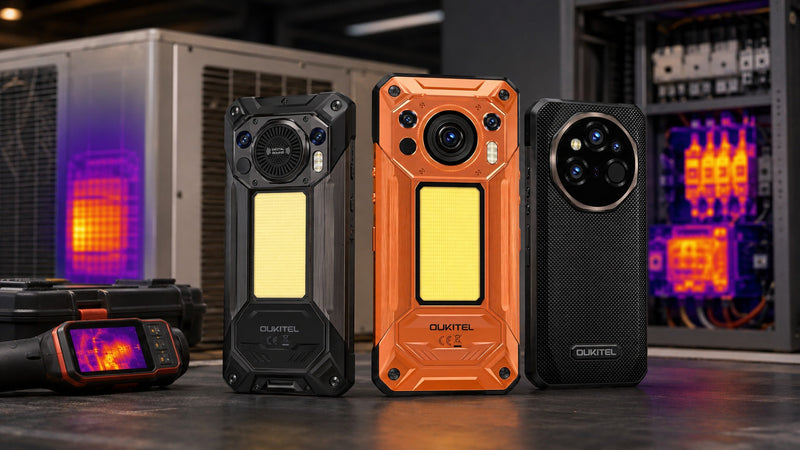
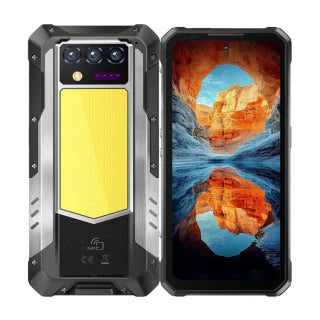
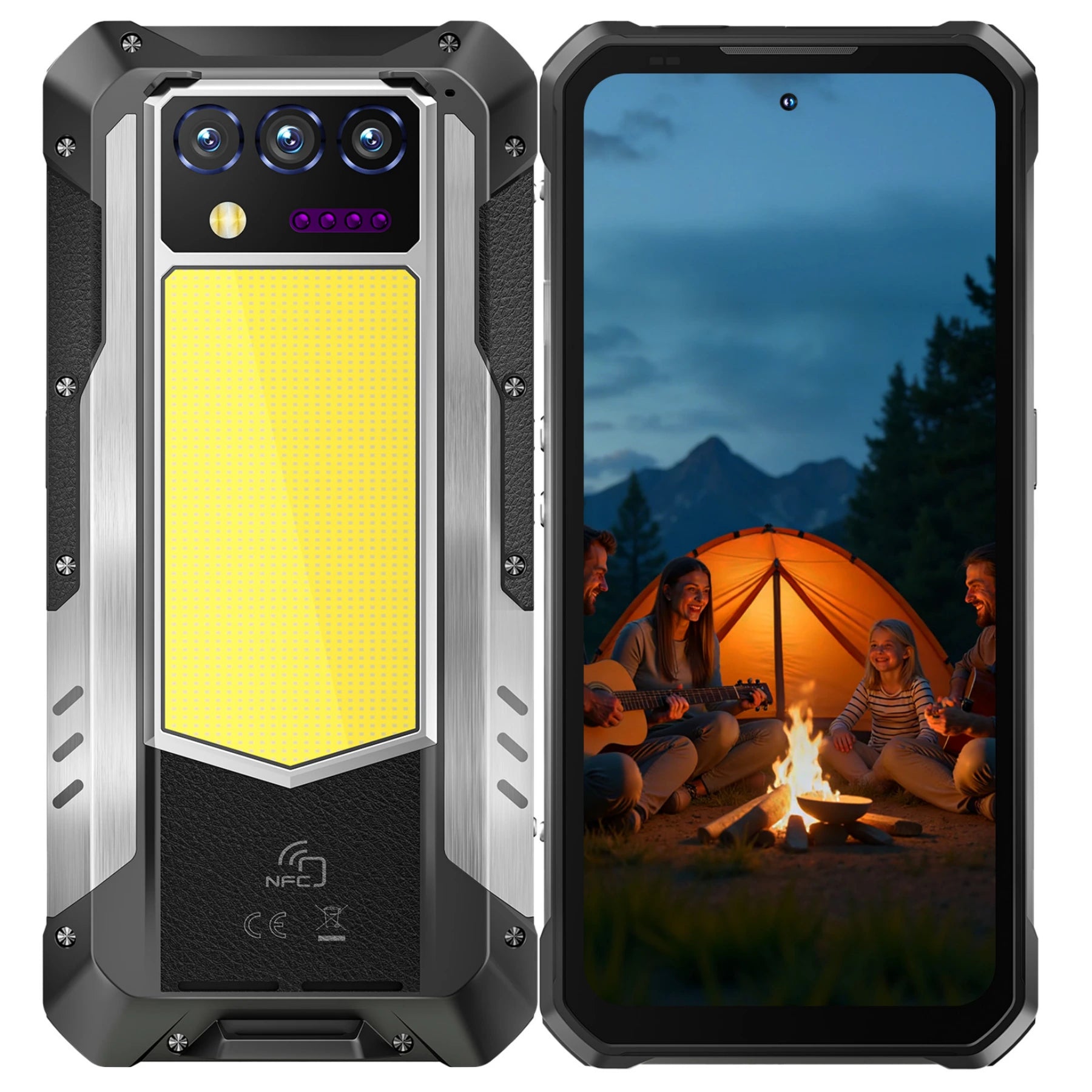
Set aside enough battery capacity for offline maps, weather information, emergency contacts, and a morning departure. The OUKITEL WP100 Titan combines a 33,000mAh battery, a built-in 1,200-lumen camping light, and 18W reverse charging in one rugged phone. It can illuminate a sleeping or cooking area and provide backup power to compatible phones and other low-power devices without relying entirely on the car battery. Higher-draw equipment, such as electric coolers, requires a portable power station with suitable output and capacity. Electric heaters can drain stored power very quickly and should not be treated as a dependable overnight heating option. Keep a separate flashlight and printed route information available in case the phone is damaged or loses power.
Prepare Your Vehicle Before Leaving
A short vehicle check can prevent mechanical trouble, unsafe loading, and avoidable problems at the campsite. Complete it early enough to replace missing equipment or change your route before departure.

Check Tires, Fuel, Fluids, and Recovery Gear
Check tire pressure when the tires are cold, including the spare, and inspect the tread for wear or damage. Top up fuel and essential fluids, then confirm that the jack, wheel lock key, tire inflator, jumper cables, recovery strap, and basic tools fit your vehicle. Learn where the approved lifting and recovery points are before you need them.
Confirm Road Access, Weather, and Campsite Rules
Check the forecast, wildfire or flood alerts, road closures, and surface conditions along the final approach. A route marked on a map may still require high clearance or four-wheel drive, and some roads may only be open during certain seasons. Confirm check-in times, fire restrictions, vehicle limits, quiet hours, food-storage rules, and mobile coverage before leaving.
Secure Food, Water, and Loose Equipment
Store food in sealed containers and follow local wildlife requirements. Place heavy water containers and equipment low in the vehicle, close to the seatbacks, and secure them with straps or tie-down points. Loose gear can shift during sudden braking or on rough roads, so keep the passenger area clear.
Plan for Toilets, Waste, and Campsite Cleanup
Find out whether the site provides toilets, potable water, trash service, and wastewater disposal. If facilities are limited, pack the sanitation supplies and sealable containers required by local rules. Bring separate bags for trash, recyclables, and food waste. Strain food particles from dishwater and use the campground’s designated disposal point. Where no facility is available, follow local rules for disposing of wastewater away from campsites and natural water sources.
Load Frequently Used Gear Within Easy Reach
Keep water, snacks, rain gear, first aid supplies, lighting, and route information accessible without unloading the vehicle. Place cooking gear and camp chairs near the rear hatch for setup, while sleeping equipment can sit farther inside. Maintain clear access to at least one door, the spare tire, recovery tools, and emergency supplies.
FAQ
Can You Sleep Overnight in Any Parking Area?
No. Overnight parking rules vary by city, property owner, campground, and public land agency. Check posted signs and local regulations before settling in, and use designated campgrounds or areas that clearly permit overnight stays. Parking permission also does not automatically allow outdoor cooking, awnings, chairs, or other camping activities.
Is It Safe to Run the Engine While Sleeping?
Avoid sleeping with the engine running. Exhaust can enter the vehicle, especially near walls, snowbanks, vegetation, other vehicles, or a damaged exhaust system, creating a carbon monoxide risk. Never run the engine inside a garage, enclosed shelter, or tented area.
How Can You Stay Warm Without Running the Car?
Use a sleeping bag rated for the expected nighttime temperature, an insulated mattress, dry base layers, warm socks, and a hat. Block drafts with fitted window covers while maintaining ventilation. Change out of damp clothing before bed. Do not use portable fuel-burning heaters, stoves, or open flames inside the vehicle. If the vehicle has a permanently installed, externally vented heating system, operate it only as directed by the manufacturer and keep a working carbon monoxide detector inside the occupied area.
How Can You Keep Valuables Secure at Camp?
Store valuables out of sight and lock the vehicle whenever you leave the site. Keep keys, identification, wallets, and essential electronics in a fixed location that remains easy to reach during an emergency. Secure equipment left outside with a lockable box or cable lock, and avoid displaying expensive gear unnecessarily.
What Should You Do If Your Car Battery Dies at Camp?
Use a portable jump starter or ask another driver for help with jumper cables, following both vehicle manuals. Check that lights, chargers, and other accessories are switched off before attempting a restart. If the battery will not hold a charge or the vehicle shows another fault, contact roadside assistance rather than repeatedly trying to start it.
Conclusion
A well-planned car camping essentials list should support comfortable sleep, reliable meals, safe vehicle operation, and enough backup power for the entire trip. Adjust the checklist for your vehicle, destination, weather, and campsite facilities, then test important equipment before departure. Thoughtful loading and a few backup items can make the trip safer, easier, and far more comfortable.




Leave a comment
Your email address will not be published. Required fields are marked *