


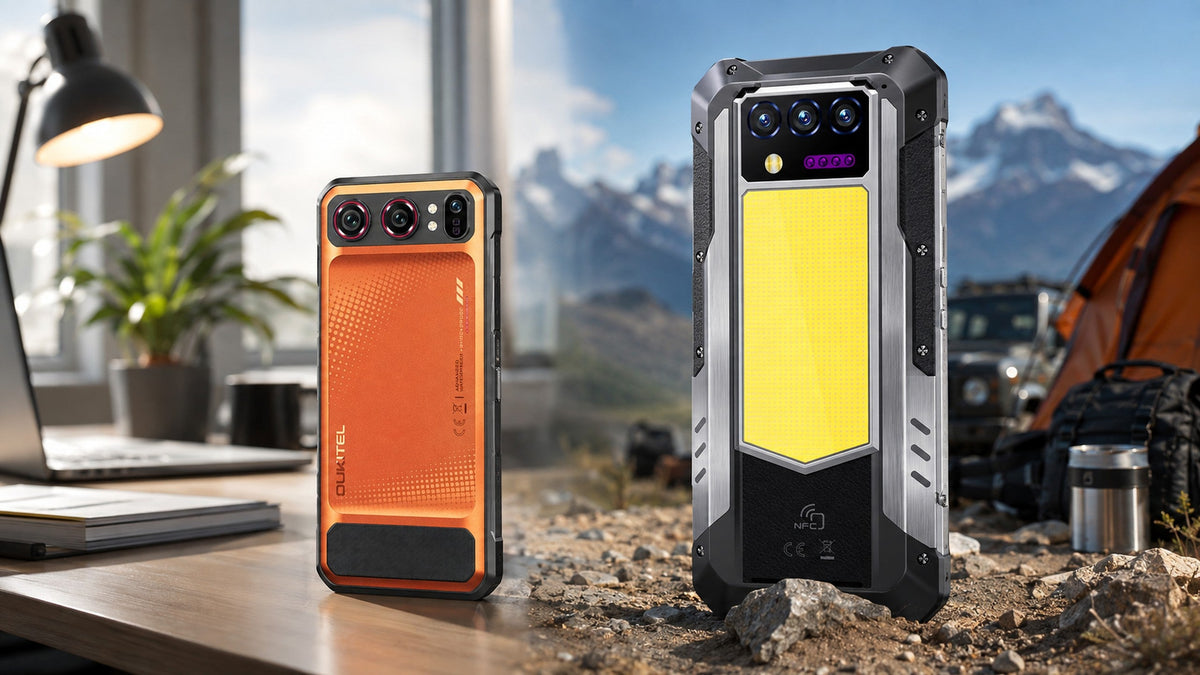
Rugged phones are worth it if your work, travel, or outdoor activities regularly expose a phone to drops, dust, rain, mud, or limited access to charging. Their reinforced bodies, sealed enclosures, and larger batteries can reduce the need for protective cases and frequent recharging.
They are not automatically the best choice for everyone. Rugged construction can add weight and thickness, while some models prioritize durability and endurance over flagship cameras, compact dimensions, or premium gaming performance.
The decision comes down to frequency: if harsh conditions are part of your normal routine, a rugged phone can be a practical investment. If you only need occasional protection, a conventional smartphone and a good case may be easier to carry.
Quick Verdict: Is a Rugged Phone Worth Buying?
A rugged phone is generally worth considering when one or more of these conditions apply:
- You have previously damaged phones through drops, dust, or water exposure.
- You regularly work outdoors, on construction sites, or around machinery.
- You need a phone to last through long shifts without convenient charging.
- You hike, camp, travel, or work in remote areas.
- You use navigation, cameras, communication apps, or digital plans throughout the day.
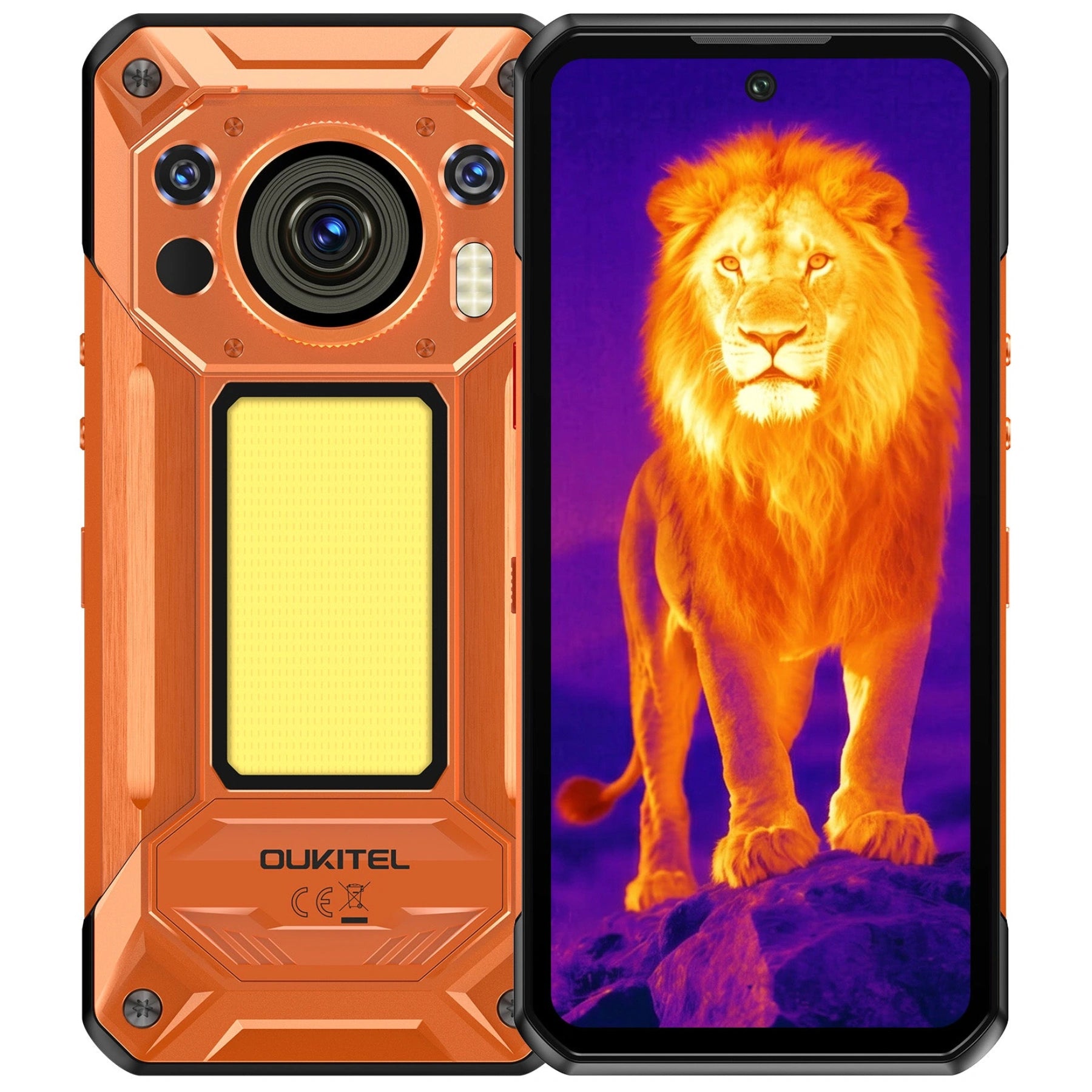
- You need features such as night vision, thermal imaging, a camping light, or reverse charging.
It may not be worth the trade-offs if you spend most of your time in controlled indoor environments and prioritize a lightweight body, pocket comfort, flagship photography, or high-end mobile gaming.
| User situation | Is a rugged phone worth it? | Main reason |
|---|---|---|
| Construction or fieldwork | Usually yes | Better protection and longer battery life |
| Frequent hiking or camping | Often yes | Endurance, weather resistance and outdoor features |
| Warehouse or delivery work | Often yes | Protection during long, active shifts |
| Office and home use | Usually optional | A regular phone and case may be sufficient |
| Photography-focused use | Model-dependent | Camera priorities may favor a mainstream flagship |
| Maximum off-grid endurance | Yes, if weight is acceptable | Very large batteries can reduce charging dependence |
A rugged phone should solve a recurring problem rather than serve as insurance against an unlikely event.
The Main Advantages of Rugged Phones

The clearest benefits are physical protection, battery capacity, and features designed for demanding environments.
Greater Protection Against Drops, Dust, and Water
Rugged phones typically use reinforced corners, raised display edges, sealed ports, and thicker frames. These elements can provide more protection than a thin consumer phone without a case.
Many models also list IP68, IP69K, and MIL-STD-810H claims. IP ratings classify an enclosure’s protection against solid particles and water under controlled test conditions. The underlying ingress-protection system is defined by IEC 60529.
These ratings answer specific questions rather than confirming that a device is indestructible:
- IP68 addresses dust protection and immersion under stated conditions.
- IP69K addresses high-pressure, high-temperature water-jet exposure.
- MIL-STD-810H claims may refer to selected environmental laboratory methods.
A thick appearance alone does not prove protection. Compare the actual ratings and manufacturer-stated test conditions. OUKITEL’s guide to what IP68 and IP69K mean for rugged phones explains why immersion and water-jet ratings should not be treated as interchangeable.
Protection can also decline after a severe impact, enclosure damage, improper repair, or wear around seals and port covers. Saltwater, chemicals, and swimming may fall outside the stated test conditions.
Larger Batteries for Long Shifts and Outdoor Trips
Rugged phones frequently carry larger batteries than conventional smartphones. That capacity can be useful when a device runs GPS, a bright display, cameras, communication tools, and job-management apps for hours at a time.
A larger battery does not guarantee an exact number of days. Runtime changes with:
- Cellular signal strength
- Screen brightness and refresh rate
- GPS and navigation use
- Camera and video recording
- Ambient temperature
- Background applications
- Battery age
The practical benefit is a larger energy reserve, not a fixed runtime promise. This can reduce dependence on wall outlets during a work shift, delayed journey, campsite stay, or temporary power interruption.
Some rugged phones also support reverse charging, allowing their batteries to provide a short top-up to another compatible phone or accessory. If this feature matters, check the listed output instead of assuming that all large-battery phones support it.
For a detailed comparison, see what to compare beyond mAh in a big-battery phone.
Practical Features for Work, Travel, and Emergencies
Rugged phones may include features that are uncommon on mainstream smartphones. Depending on the model, these can include:
- Night-vision cameras
- Thermal imaging
- High-output camping lights
- Loud speakers
- Programmable side buttons
- Walkie-talkie functions
- Reverse charging
- Expandable storage
- Glove-oriented controls
These features create value only when they match a real task. A camping light may benefit an outdoor user, while thermal imaging may be more relevant to maintenance or inspection work.
Specialized tools also have limits. A phone’s thermal camera cannot replace professional electrical testing, and a built-in walkie-talkie cannot automatically communicate with every radio. Compatibility, local regulations, range conditions, and safety procedures still apply.
The Trade-Offs You Should Consider

The durability and endurance of a rugged phone come from physical design choices. Buyers should understand what those choices mean for everyday use.
Extra Weight, Thickness, and Charging Time
Reinforced frames, protective materials, and large batteries take up space. Some rugged phones are only moderately heavier than conventional models, while extreme-capacity devices can be substantially larger.
This affects:
- One-handed use
- Pocket comfort
- Mount and holder compatibility
- Long-distance hiking weight
- Vehicle storage
- Wrist fatigue during extended use
- Charging time
A large battery may also require more time to fill, even when the phone supports fast charging. Input wattage, battery temperature, charger compatibility, and the charging curve all affect the result.
Do not buy the largest battery automatically. Choose enough capacity for your realistic longest day, including a reasonable reserve. Beyond that point, added weight may deliver little practical value.
Camera, Display, and Performance Priorities May Differ
Rugged phones are not necessarily slow or poorly equipped. Many current models include 5G processors, high-refresh-rate displays, large storage options, and high-resolution cameras.
However, product development still involves priorities. A similarly priced mainstream flagship may put more emphasis on computational photography, display brightness, graphics performance, or a thinner premium design. A rugged model may devote more of its physical space and cost to its battery, frame, seals, and specialized hardware.
Compare what affects your real use:
| Priority | What to check |
|---|---|
| Photography | Sensor, stabilization, low-light results and video modes |
| Outdoor visibility | Display brightness, size and glove usability |
| Gaming | Processor, graphics performance and heat management |
| Field applications | RAM, storage, GPS and network support |
| Long trips | Battery capacity, charging input and device weight |
| Work documentation | Camera clarity, storage and file-sharing support |
A rugged phone is worthwhile when its strengths align with your top priorities—not simply because it has more features on its specification sheet.
Rugged Ratings Do Not Make a Phone Indestructible
“Rugged” does not mean damage-proof. A phone can still suffer a broken display, damaged charging port, compromised seal, punctured battery, or internal failure.
The level of protection also depends on how the device is used. Port covers must be closed correctly, and the enclosure must remain undamaged. Test ratings do not necessarily cover repeated abuse, every drop angle, seawater, chemical exposure, or intentional underwater use.
Rugged phones should still be handled as electronic equipment:
- Use a secure holder when working at height.
- Keep the charging port dry and clean.
- Do not operate a swollen or damaged battery.
- Follow site rules around hazardous areas.
- Stop using the device after serious structural damage.
- Confirm whether specialized certifications are required for the workplace.
A standard rugged phone is not automatically intrinsically safe or approved for explosive atmospheres.
Who Benefits Most From a Rugged Phone?

Rugged phones deliver the most value to people who repeatedly encounter difficult physical or power conditions.
Construction, Maintenance, and Field Workers
Construction workers, surveyors, utility teams, warehouse employees, maintenance technicians, and delivery drivers may handle phones around dust, tools, equipment, wet surfaces, or hard floors.
A rugged phone can support tasks such as:
- Viewing drawings and work orders
- Recording site photographs
- Navigating between locations
- Scanning documents or codes
- Communicating with a team
- Accessing offline manuals
- Logging inspections and incidents
Durability alone is not enough. A work phone must also support the required network bands, business applications, device-management policies, and personal protective equipment.
The guide to choosing rugged phones for construction workers covers these jobsite-specific checks in more detail.
Hikers, Campers, and Remote-Area Travelers
Outdoor users may encounter rain, dirt, cold, uneven terrain, weak cellular signals, and long periods away from outlets. A rugged phone can offer useful protection and additional battery capacity for offline maps, photographs, check-ins, and emergency information.
It should still be one part of a wider preparation plan. A phone does not replace appropriate clothing, navigation skills, first-aid supplies, or dedicated emergency equipment for remote routes.
Pack weight also matters. A weekend hiker may prefer a relatively slim rugged model, while someone operating from a vehicle or base camp may accept more weight in exchange for a much larger battery.
Users Who Regularly Need Extended Battery Life
A rugged phone may also suit users who are not regularly exposed to extreme conditions but consistently need more battery reserve. Examples include drivers, event crews, travelers, mobile workers, and people who experience frequent power outages.
In these cases, compare the rugged phone with two alternatives:
- A conventional phone plus a reputable power bank
- A battery case or access to vehicle charging
The rugged phone is often simpler because it consolidates the battery and device. The alternative setup may be lighter on normal days or easier to replace in separate parts.
When a Regular Smartphone May Be the Better Choice
A rugged phone is a specialized tool. Users who do not need its main strengths may be better served by a conventional device.
You Prioritize a Slim and Lightweight Design
If the phone stays in an office, home, handbag, or protected pocket, carrying a heavy reinforced body every day may not be worthwhile. A mainstream smartphone with a case and screen protector can provide adequate protection against ordinary accidents.
Before buying, compare actual thickness and weight. Product photographs do not show how a device will feel during one-handed use or extended travel.
You Want Flagship Photography or Gaming Performance
A mainstream flagship may be more suitable if the main priorities are advanced video, stabilized photography, long software-support commitments, or maximum gaming performance.
Rugged phones can still perform these tasks, but buyers should compare them on the relevant specifications and real-world results rather than assuming that durability adds strength in every category.
Your Phone Rarely Faces Harsh Conditions
If drops, dust, water, and limited charging are rare, rugged hardware may solve a problem you do not have. A regular phone may offer a better balance of size, ecosystem, accessories, cameras, and resale value.
A useful question is: “Which inconvenience costs me more over a normal month—the risk of damage and low battery, or the daily weight and size of a rugged device?”
The answer usually makes the decision clearer.
How to Decide Which Type of Rugged Phone Fits You
Start with the conditions you actually experience, then choose the smallest and lightest model that meets those requirements.
Use this checklist before buying:
- Identify your most common risks: drops, dust, immersion, spray, cold, or long periods without power.
- Confirm the relevant IP and manufacturer test conditions.
- Estimate your longest realistic period away from charging.
- Check the phone’s dimensions and weight.
- Verify cellular bands for your carrier and region.
- Confirm that required work or navigation applications are supported.
- Select specialized features only when they serve a regular task.
- Review the current software, warranty, repair, and accessory information.
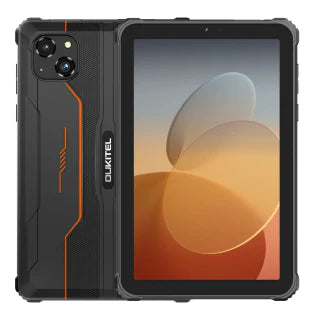
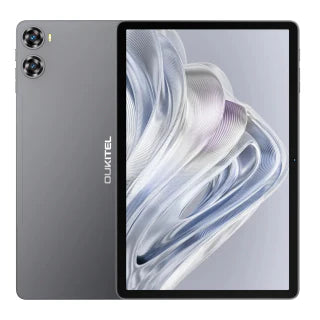
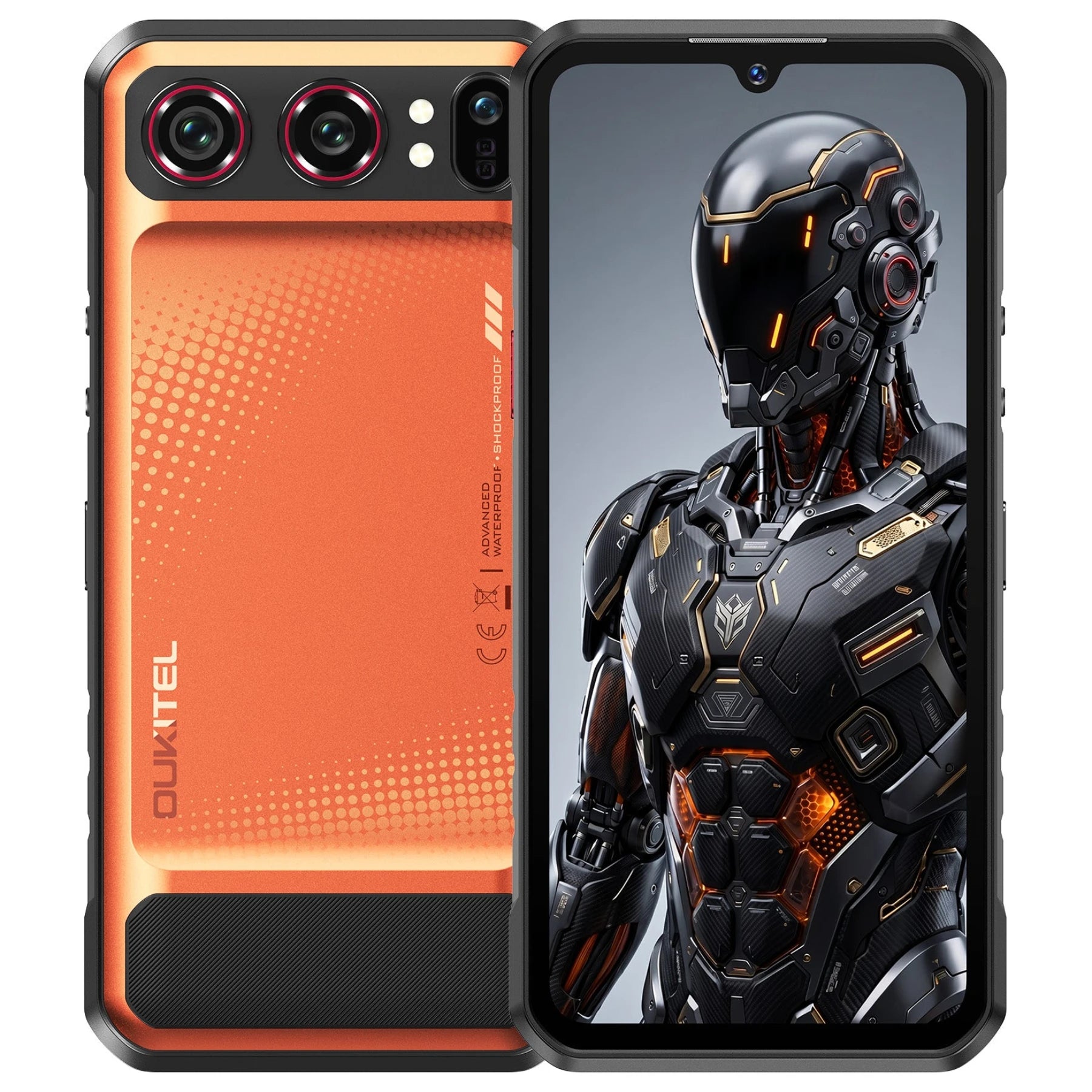
The OUKITEL rugged phone collection covers different points between portability and maximum endurance.
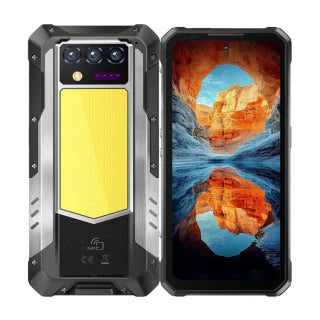
Someone who wants rugged protection without carrying the largest device could consider the OUKITEL WP68 Air. Its current specifications list an 8,000mAh silicon-carbon battery, 11.9mm thickness, and 309.5g weight. This makes it the more practical choice among these examples for users concerned about everyday bulk.
The OUKITEL WP62 moves toward greater endurance with an 11,000mAh battery and a listed weight of 367.6g. It fits users who want a larger reserve but do not need an extreme-capacity base-camp device.
At the other end, the OUKITEL WP100 Titan lists a 33,000mAh battery, a 35.6mm body, and a weight of 876.6g. That capacity can make sense for extended off-grid use, vehicle-supported work, or base camps. It is unlikely to be the best everyday pocket phone for someone who only needs occasional protection.
These three models illustrate the central decision: greater endurance usually requires accepting more size and weight. Product specifications and availability were checked on September 3, 2026 and should be verified again before publication or purchase.
FAQ
Do Rugged Phones Work With Regular Mobile Carriers?
Yes, if the phone supports the carrier’s required network bands and services. Check the exact model and regional version against the carrier’s current compatibility information. A phone listing 4G or 5G does not guarantee complete compatibility with every network.
Can a Rugged Phone Still Be Damaged Without a Protective Case?
Yes. Reinforced construction reduces certain risks but cannot prevent every cracked screen, damaged port, or severe-impact failure. A compatible case or screen protector may add protection, although it can increase bulk and affect docks or accessories.
Are Rugged Phones More Expensive to Repair?
They can be. Sealed construction, specialized components, and lower availability of local parts may make some repairs more complex. Check warranty coverage, authorized service options, replacement-part availability, and shipping requirements before purchasing.
How Long Should a Rugged Phone Remain Useful?
Its useful life depends on battery health, software support, physical wear, performance requirements, and repair availability. Rugged construction may reduce accidental damage, but it does not prevent battery aging or make software support indefinite.
Conclusion
Rugged phones are worth it when durability, battery reserve, or specialized field features solve problems you face regularly. They are especially relevant to outdoor workers, construction teams, frequent travelers, campers, and users who spend long periods away from charging.
The trade-off is usually greater size and weight, along with product priorities that may differ from conventional flagship phones. Ratings such as IP68, IP69K, and MIL-STD-810H also describe controlled tests—not unlimited protection.
Choose based on your environment, required runtime, carrier compatibility, and daily carrying tolerance. The best rugged phone is not necessarily the largest or toughest-looking model; it is the least burdensome device that reliably meets your real needs.



Leave a comment
Your email address will not be published. Required fields are marked *