


Preventing an electrical fire starts with recognizing heat, damaged components, unusual odors, and changes in how the electrical system operates. Stop using an outlet, cord, power strip, or appliance if it becomes unusually hot, discolored, loose, noisy, or unreliable, and arrange an inspection when the cause is not obvious.
Do not remove electrical-panel covers or attempt internal wiring repairs without appropriate qualifications. If equipment is smoking, sparking, arcing, or producing a strong burning odor, move away, alert other occupants, and contact emergency services. Thermal imaging may support preventive surface checks, but it cannot prove that wiring is safe.
Recognize the Warning Signs of Electrical Overheating
Electrical overheating may begin at a loose connection, damaged conductor, overloaded circuit, defective appliance, or worn outlet. Some warning signs appear only when equipment is operating, so inspect frequently used devices under normal-but supervised-conditions.
Check for Warm Outlets, Plugs, Switches, and Power Strips
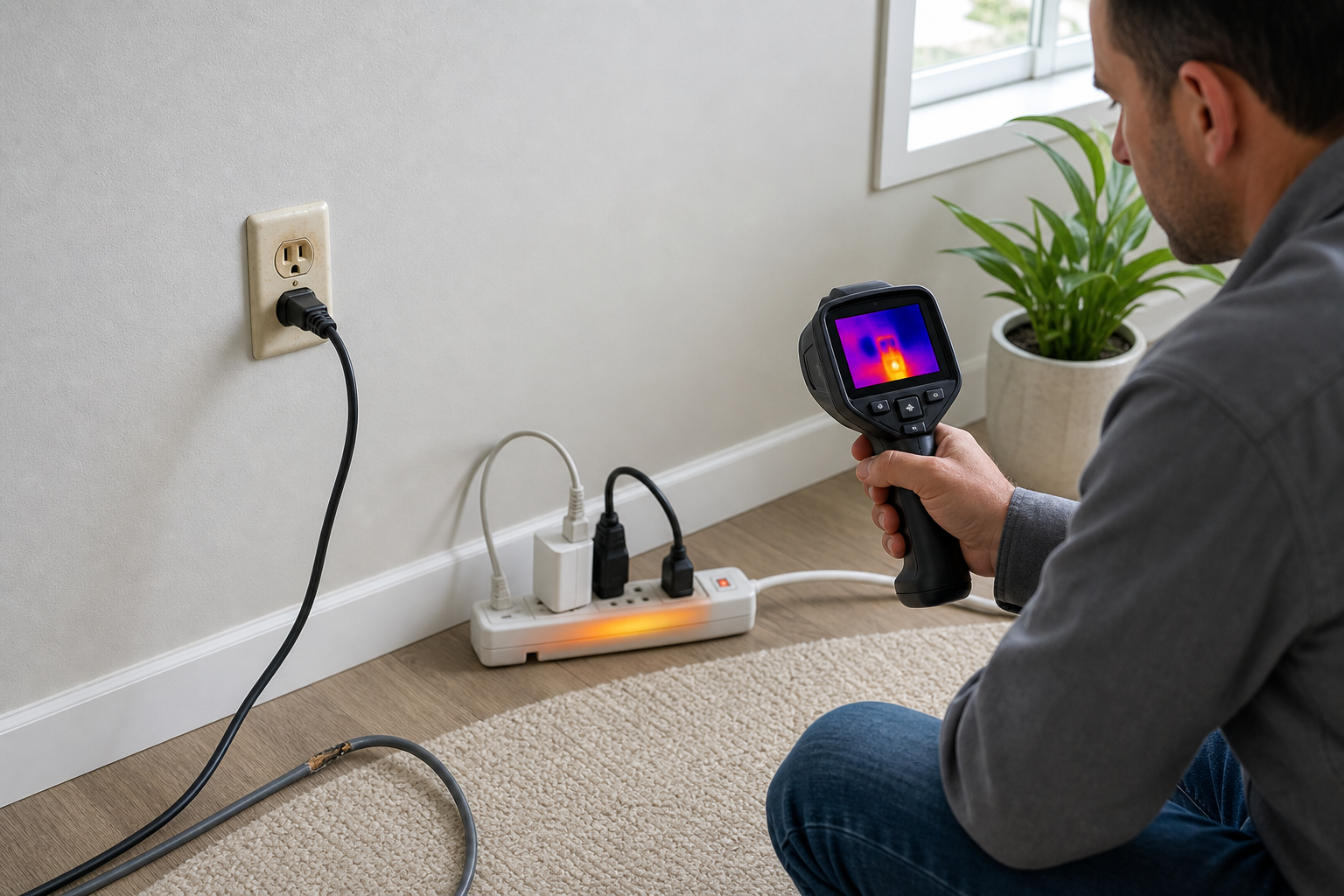
A plug, charger, or power supply may feel slightly warm during normal operation. It should not become painful to touch, soften surrounding plastic, produce an odor, or discolor an outlet cover.
Check accessible surfaces without removing covers or touching exposed parts. Stop using the equipment if you notice:
- An outlet or switch that is significantly warmer than nearby units
- A hot plug, cord, adapter, or power strip
- Brown, yellow, or black discoloration
- Warped or melted plastic
- A plug that fits loosely or falls out
- Heat that continues after the appliance is disconnected
- Warmth accompanied by buzzing, crackling, odor, or flickering
Some dimmer switches are designed to become warm during operation, but excessive heat or a change from their normal condition still requires attention. Check the manufacturer's instructions and contact an electrician when uncertain.
The U.S. Consumer Product Safety Commission advises stopping use of unusually warm outlets or switches until an electrician checks them. Its home electrical safety checklist notes that unexpected warmth may indicate an unsafe wiring condition, including a loose connection capable of causing overheating or fire.
Notice Burning Odors, Discoloration, Buzzing, or Flickering
A hot-insulation or burning-plastic smell can signal overheating even when smoke is not visible. Do not ignore an odor because it disappears after an appliance is turned off.
Buzzing, sizzling, popping, or crackling may indicate a loose connection or electrical arcing. Flickering or dimming lights may result from a loose bulb, but recurring changes affecting several lights or appearing when an appliance starts can indicate a circuit or wiring problem.
Respond according to the severity:
| Warning sign | Recommended response |
|---|---|
| Mild warmth with no other symptoms | Stop use and compare with manufacturer guidance |
| Persistent heat or discoloration | Stop using the outlet or device and call an electrician |
| Burning odor or repeated buzzing | Disconnect only if safe; arrange urgent inspection |
| Smoke, sparks, flames, or active arcing | Evacuate and call emergency services |
| Heat at an electrical panel | Stay clear and contact a qualified electrician |
Watch for Damaged Cords, Loose Plugs, and Repeated Breaker Trips
Replace cords that are cracked, frayed, crushed, cut, or missing insulation. Tape is not a permanent repair for a damaged appliance cord or extension cord. A replacement must match the appliance and manufacturer requirements.
A plug should sit firmly in the outlet. A loose connection can create resistance and heat even when only one appliance is connected. Replace a worn outlet rather than bending plug blades or using makeshift spacers.
Circuit breakers and fuses protect wiring from unsafe current, but they do not eliminate every electrical hazard. A breaker that repeatedly trips is signaling a problem such as an overloaded circuit, damaged appliance, short circuit, or ground fault.
Reset a breaker only after turning off or disconnecting the suspected load and only when there are no signs of heat, burning, moisture, or damage. If it trips again, leave it off and contact an electrician. Never replace a fuse or breaker with one rated for more current unless a qualified professional has confirmed that the wiring supports it.
Prevent Outlets, Cords, and Appliances From Overheating
Safe electrical use depends on matching the load to the outlet, circuit, cord, and protective device. Convenience products such as adapters and power strips do not increase the capacity of the building's wiring.
Avoid Overloading Outlets and Daisy-Chaining Power Strips
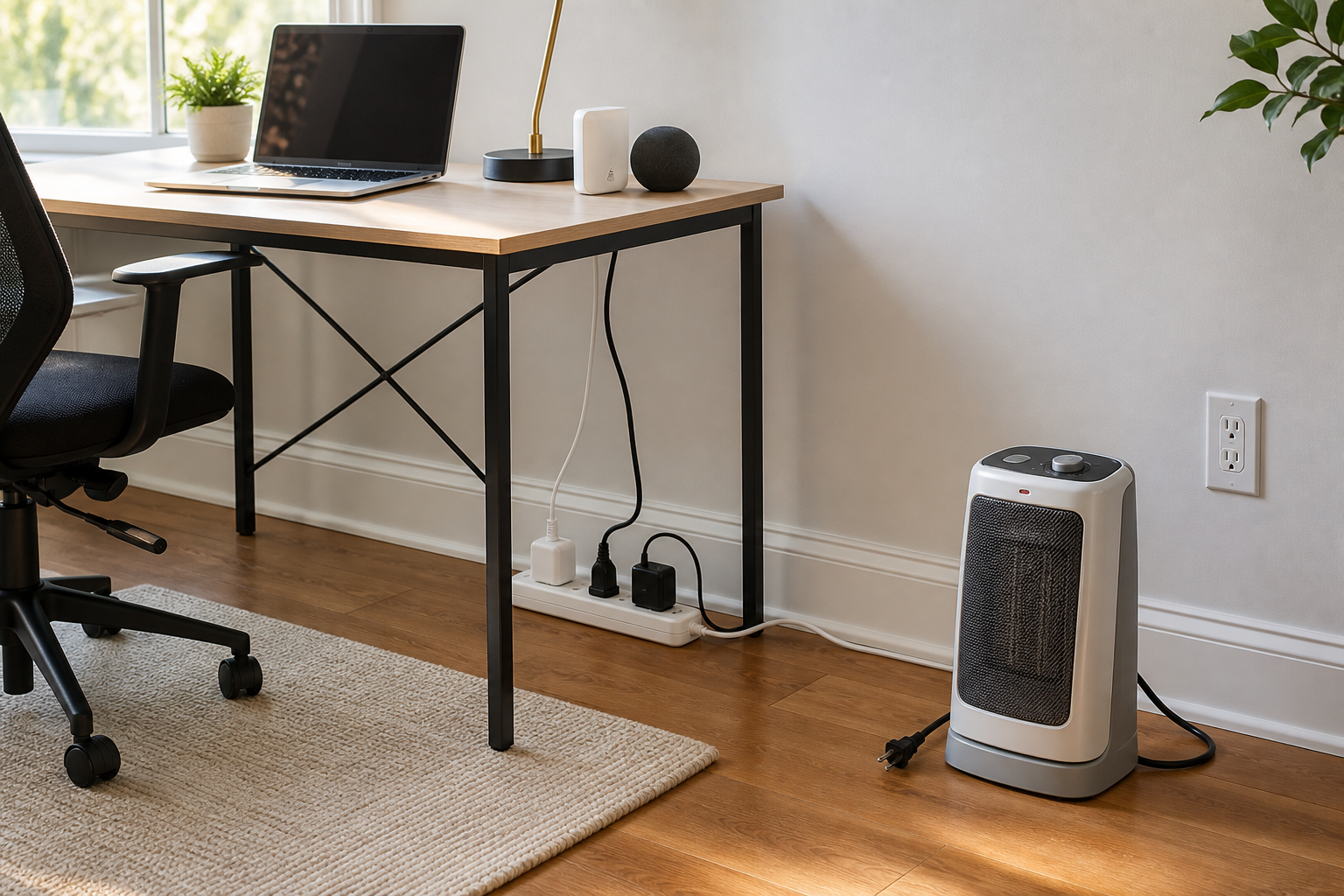
Do not connect one power strip or extension cord to another. Daisy-chaining adds connection points, makes the true load harder to recognize, and can exceed the rating of one strip, cord, outlet, or circuit.
Check the rated wattage or amperage of the equipment rather than assuming that empty receptacles mean more capacity is available. Several low-power devices may be acceptable on a listed power strip, while one high-power heating appliance may exceed its safe use.
Use power strips with internal overload protection and certification appropriate to your region. Surge protection and overload protection are not the same:
- Surge protection limits certain short-duration voltage spikes.
- Overload protection interrupts excessive current through the strip.
- Neither feature repairs faulty wiring or prevents every form of arcing.
- Neither increases the electrical capacity of the wall circuit.
Replace a strip that is damaged, discolored, loose, recalled, or unusually warm. Do not mount a household power strip where ventilation openings are blocked or where it may be exposed to water.
Plug Major and Heat-Producing Appliances Into Proper Wall Outlets
The U.S. Fire Administration recommends plugging major appliances such as refrigerators, stoves, washers, and dryers directly into wall outlets. Its appliance and electrical fire-safety guidance warns that extension cords can overheat when used with major appliances.
Heat-producing appliances also require special care. Space heaters, microwaves, coffee makers, toasters, and similar devices can draw substantial current.
Use these precautions:
- Plug the appliance directly into a suitable wall outlet when required.
- Do not use a power strip, plug adapter, or extension cord unless the manufacturer expressly permits it.
- Operate only one high-power heating appliance per outlet when recommended.
- Keep combustible items away from the appliance.
- Turn portable heaters off before leaving or sleeping.
- Stop using the device if the plug or outlet becomes hot.
A smart plug is still an electrical switching device with a maximum rating. Do not use one with a space heater or other high-power appliance unless both manufacturers specifically allow that application and the electrical rating is adequate. Remote switching must not bypass requirements for supervision or safe clearance.
Replace Damaged Cords and Keep Cables Uncovered and Ventilated
Do not place cords beneath rugs, carpets, mattresses, doors, or heavy furniture. Covering or crushing a cord can trap heat, damage insulation, and break internal conductors.
Keep cords loosely arranged and fully uncoiled when required. Tightly coiled extension cords can retain heat, especially when carrying a heavy load.
Extension cords should be temporary and selected for the environment and load. Confirm:
- The cord's electrical rating meets the appliance load.
- Indoor cords remain indoors.
- Outdoor cords are rated for outdoor use.
- Grounded equipment uses the correct grounding connection.
- The cord is not exposed to water, sharp edges, traffic, or pinch points.
- Connectors remain fully inserted and dry.
Do not force a three-prong plug into a two-slot outlet or remove the grounding pin. Ask an electrician to install the correct receptacle and protection where needed.
Know When to Stop Using the Electrical System
Continuing to operate faulty equipment can turn an intermittent problem into a shock or fire hazard. When several warning signs occur together, respond to the most serious sign rather than trying to prove the cause yourself.
Disconnect a Device Only When It Is Safe to Do So
If a device is merely malfunctioning and the plug and outlet remain cool, dry, undamaged, and free of smoke or sparks, turn the device off before unplugging it. Pull from the plug body rather than the cord.
Do not touch the plug or equipment if:
- It is smoking, sparking, or arcing.
- The plug or outlet is melted or extremely hot.
- Water is present.
- Exposed wiring can be seen.
- You have felt a shock or tingling sensation.
- Disconnecting it would place you near flames or heavy smoke.
In these conditions, move away and call emergency services or the utility provider as appropriate. Warn others not to enter the area.
Never use a metal tool to remove a stuck plug. Do not throw water on electrical equipment or touch a person who remains in contact with an energized source. Disconnect power only when this can be done from a safe location without approaching the hazard.
Leave Breaker Panels and Internal Wiring to Qualified Electricians
An electrical panel contains energized components that may remain live even when the main breaker is off. Removing the panel cover can expose a person to electric shock, arc flash, and fire hazards.
Homeowners may use accessible breaker handles as intended when conditions are normal, but internal inspection and repair should be left to a qualified electrician. Do not:
- Remove the panel cover
- Tighten internal connections
- Touch service conductors
- Replace a breaker with a larger size
- Bypass a fuse or protective device
- Use thermal findings to justify opening energized equipment
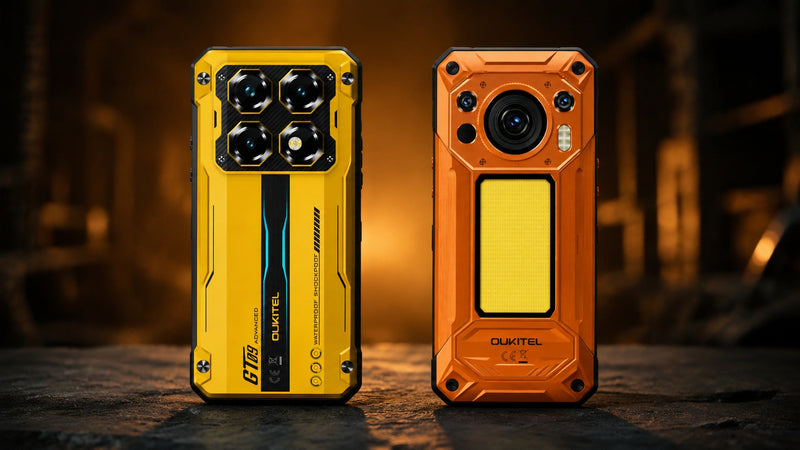
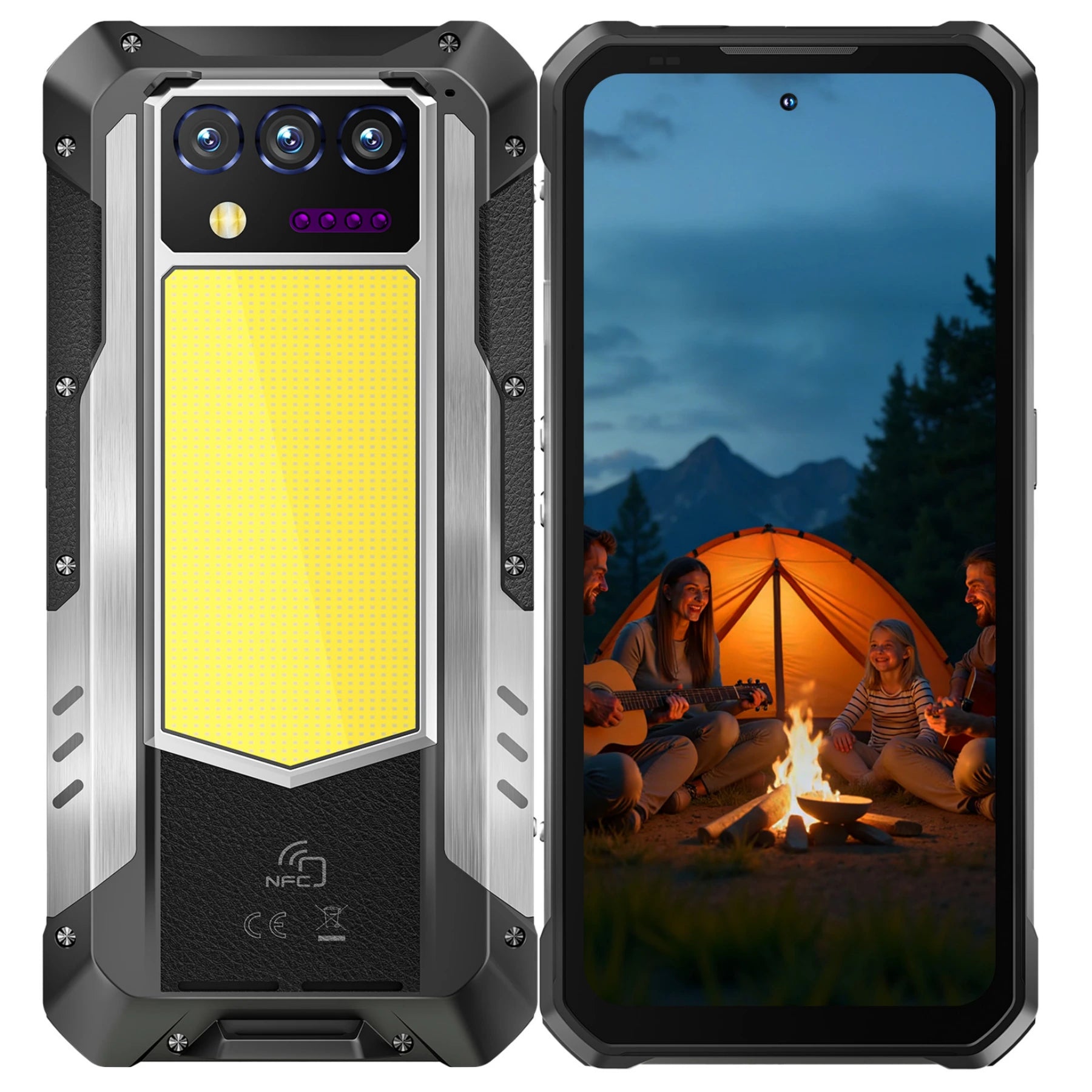
An outlet or appliance may begin overheating before smoke or visible damage appears. When there is no active fire, sparking, strong burning smell, or exposed wiring, the OUKITEL WP61 Ultra can help compare surface-temperature patterns around accessible outlets, power strips, appliance housings, and electrical equipment. Its InfiRay thermal-imaging camera may make an unusually warm surface easier to identify and document before contacting an electrician.
Thermal imaging shows surface-temperature differences, not the condition of wiring concealed inside a wall. Readings can be affected by reflections, material emissivity, distance, airflow, sunlight, and other heat sources. The camera cannot determine the cause, measure electrical load, verify a connection, or certify safety. OUKITEL's guide to how thermal cameras work provides additional operating context, but diagnosis still requires appropriate electrical testing.
Arrange an Inspection for Recurring Heat, Odors, or Breaker Trips
Contact a qualified electrician when a warning sign returns after the appliance has been removed or when multiple outlets or circuits are affected.
Arrange an inspection for:
- Repeated breaker trips or blown fuses
- Warm or discolored outlets and switches
- Loose plugs in several receptacles
- Persistent burning or hot-insulation odors
- Buzzing or crackling from fixed wiring
- Lights that regularly dim or flicker
- Evidence of previous overheating
- Any shock or tingling from equipment
- An old, damaged, or improperly labeled panel
Record when the problem occurs and which appliances are operating. Photographs or surface-temperature comparisons may help describe the pattern, but do not continue reproducing the fault solely to collect evidence.
Respond Safely if an Electrical Fire Starts
Electrical fires can spread through appliances, wiring, nearby combustibles, and concealed building spaces. Evacuation takes priority over diagnosis or property protection.
Cut Power Only if It Can Be Done Without Entering Danger
If a small appliance begins smoking and can be switched off or unplugged without approaching heat, sparks, flames, water, or exposed wiring, disconnecting it may remove the electrical source.
Do not cross smoke, reach over flames, touch a hot panel, or enter a hazardous area to shut off power. If conditions are unsafe, leave the building and tell firefighters that electricity may still be energized.
Even after power is removed, surrounding materials may continue burning. Treat the situation as a fire until emergency personnel confirm otherwise.
Use the Correct Fire Extinguisher Only on a Small, Contained Fire
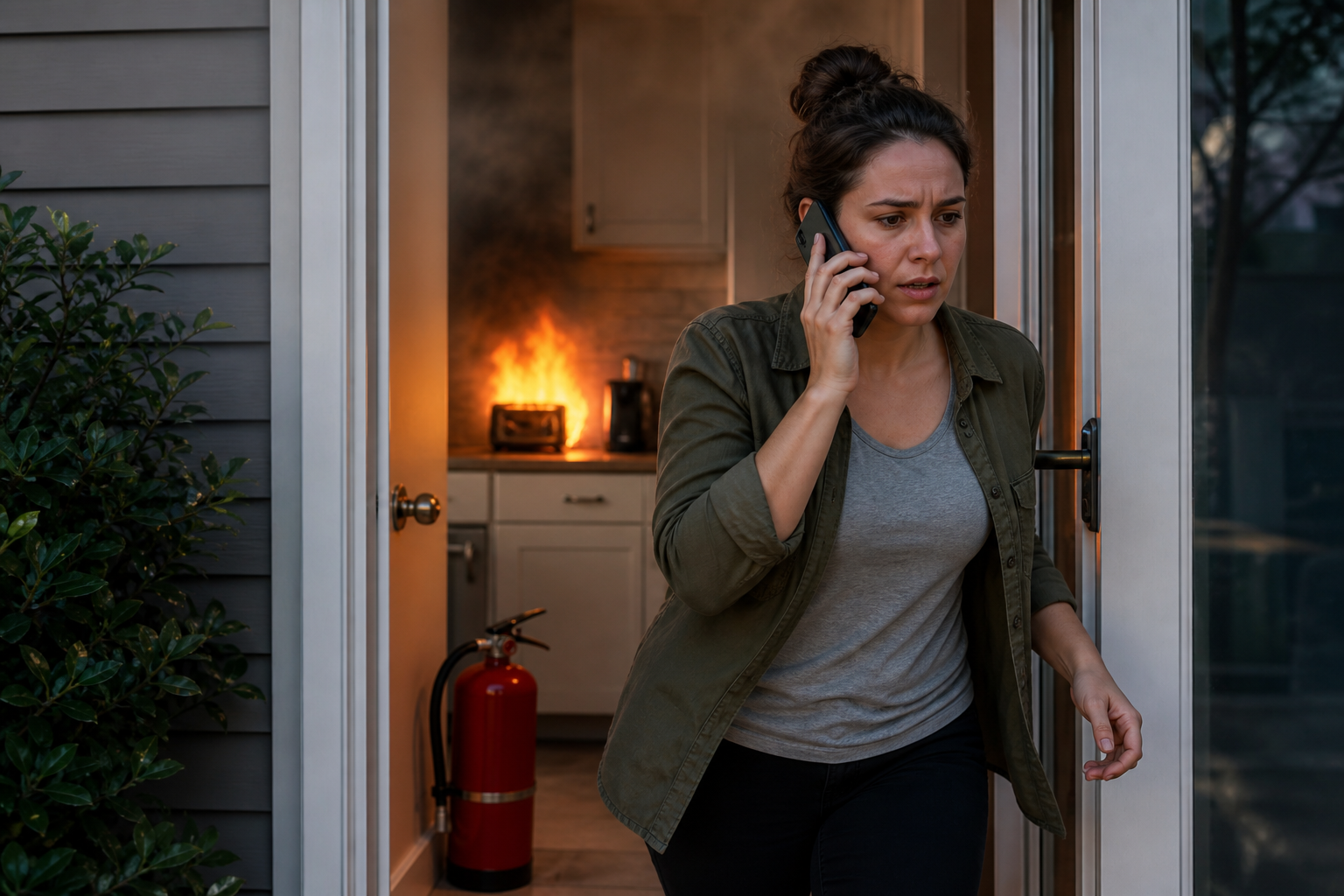
Only consider an extinguisher when:
- The fire is small and contained.
- Everyone else is evacuating.
- Emergency services have been called.
- You have a clear exit behind you.
- Smoke and heat are still limited.
- You know how to use the extinguisher.
- The extinguisher is rated for energized electrical equipment.
In the United States, a Class C rating identifies an extinguisher suitable for energized electrical equipment. A multipurpose ABC extinguisher may provide that rating. Standards and labels vary by country, so follow local guidance and the extinguisher instructions.
The USFA's fire-extinguisher guidance explains that different extinguishing agents are intended for different fire classes and identifies Class C extinguishers for plugged-in appliances, tools, and other electrical equipment.
If one extinguisher does not control the fire immediately, leave. Do not allow the fire to come between you and the exit.
Evacuate, Call Emergency Services, and Never Use Water
Alert everyone, leave by the safest route, and call emergency services from outside. Close doors behind you when possible to slow the movement of smoke and fire.
Never apply ordinary water to energized electrical equipment. Water can conduct electricity and create an electrocution hazard. Do not use an unmarked or inappropriate extinguisher simply because it is nearby.
Once outside:
- Go to the household meeting place.
- Account for all occupants.
- Report missing people to firefighters.
- Describe the electrical equipment involved.
- Warn responders about solar panels, batteries, generators, or stored fuel.
- Never re-enter the building.
Wait for fire and electrical professionals to confirm that the structure and electrical system are safe. Do not restore power to a fire-damaged circuit or appliance.
FAQ
Can a Thermal Camera Measure the Temperature of Wiring Inside a Wall?
No. It measures infrared energy from visible surfaces. A surface pattern may suggest heat near concealed wiring, but it cannot see through the wall, measure the wire directly, identify the cause, or confirm safety.
Why Can an Outlet Overheat With Only One Appliance Connected?
A single appliance may draw high current, or the outlet may have a loose, worn, corroded, or improperly installed connection. Heat can develop at a poor connection even when the circuit is not overloaded. Stop using the outlet and have it inspected.
Do Surge Protectors Prevent Every Type of Electrical Fire?
No. Surge protectors address certain voltage spikes. They do not correct overloaded circuits, loose connections, damaged cords, defective appliances, or all forms of electrical arcing. Use certified equipment and maintain the underlying wiring.
Are Smart Plugs Safe for Space Heaters and Other High-Power Appliances?
Only when both the smart-plug and appliance manufacturers permit the use and the ratings match the load. Many space-heater instructions require a direct wall connection. If the guidance is unclear, do not use the smart plug.
Conclusion
Electrical fire prevention depends on recognizing changes before they become emergencies. Stop using outlets, cords, power strips, and appliances that become unusually hot, loose, discolored, noisy, or unreliable.
Avoid overloaded outlets and daisy-chained power strips. Connect major and heat-producing appliances as directed, replace damaged cords, and keep cables uncovered. Repeated breaker trips, burning odors, flickering, or overheating require professional inspection.
Thermal imaging may help compare accessible surface temperatures under safe conditions, but it cannot see concealed wiring or replace electrical testing. If smoke, sparks, flames, or strong burning odors appear, leave the area, call emergency services, and never use water on energized electrical equipment.



Leave a comment
Your email address will not be published. Required fields are marked *