Fire safety begins with detecting hazards early, maintaining working alarms, and ensuring everyone can leave the building quickly. Check electrical equipment, cooking areas, and heating devices regularly; investigate unusual heat or burning odors; and practice an escape plan that includes an outdoor meeting place.
If a fire starts, alert others, leave immediately, and call emergency services from outside. Do not delay evacuation to investigate the source, collect belongings, fight a growing fire, or search for a pet. Once outside, account for everyone and never re-enter until the fire department confirms that it is safe.
Detect Fire Risks Before They Become Emergencies
Many residential fires develop from ordinary activities or equipment. Regular inspections can reveal unsafe conditions before smoke, flames, or an alarm makes the danger obvious.
Check Electrical, Cooking, and Heating Hazards
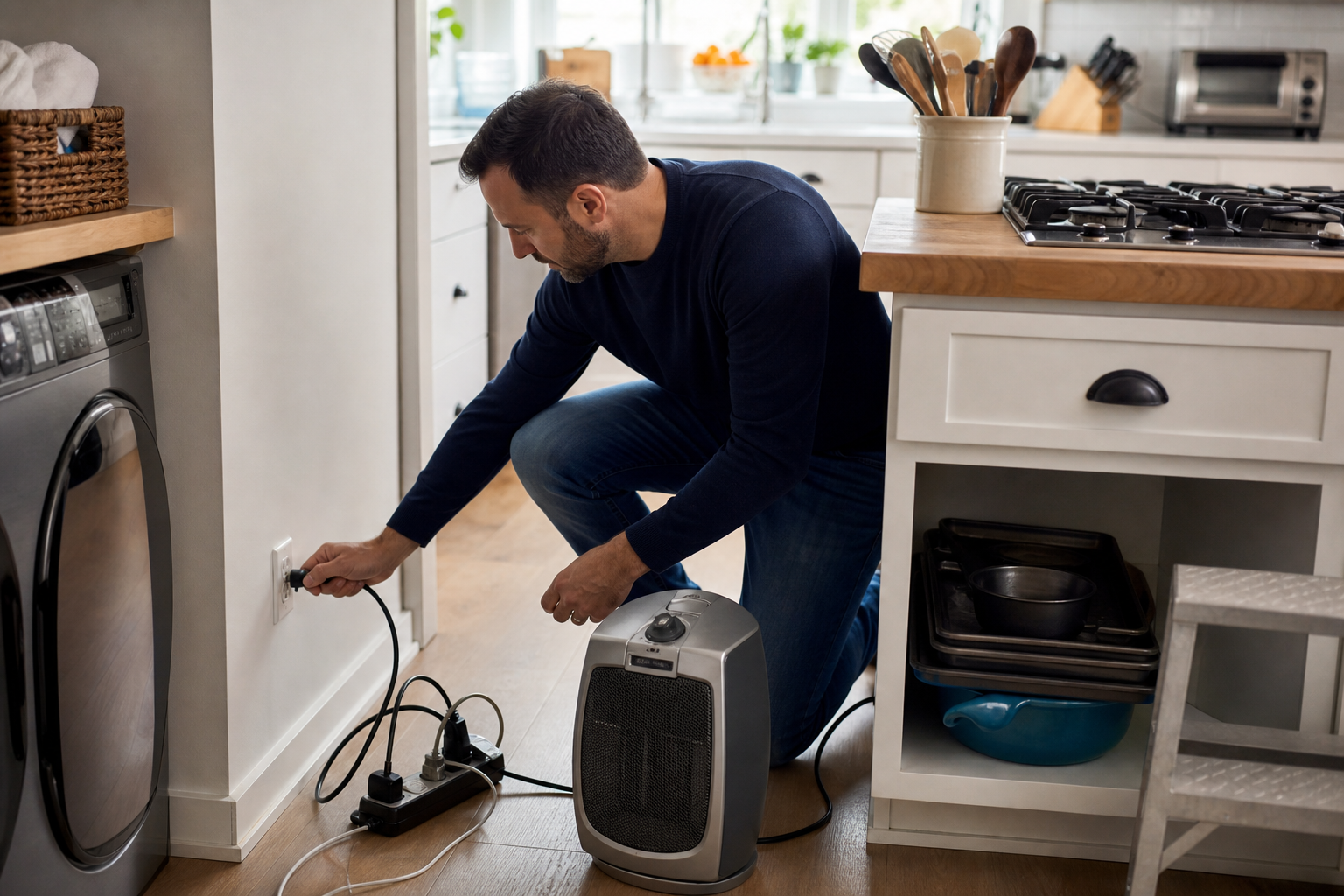
Inspect outlets, extension cords, appliances, chargers, and power strips for damage, discoloration, loose connections, or unusual warmth. Stop using equipment that sparks, produces a burning odor, repeatedly trips a breaker, or has a damaged cord.
Do not run extension cords beneath carpets or furniture, and do not use them as permanent wiring. Avoid overloading outlets or connecting multiple power strips together. High-power appliances should be connected according to the manufacturer's instructions.
The U.S. Consumer Product Safety Commission warns that outlets, cords, and plugs may become warm during use but should not become uncomfortably hot or show heat discoloration. Its home electrical safety guide also identifies unusual sounds and odors from overheated wiring as warning signs.
In the kitchen:
- Stay nearby when frying, grilling, or broiling food.
- Keep towels, packaging, curtains, and other combustibles away from heat.
- Turn pot handles inward without positioning them over another burner.
- Keep a lid available to cover a small pan fire.
- Never use water on a cooking-oil fire.
- Keep children and pets away from active cooking areas.
Place portable heaters on a stable surface and keep them away from bedding, curtains, furniture, and other combustible materials. Plug them directly into a suitable wall outlet unless the manufacturer specifies otherwise. Turn them off before leaving the room or going to sleep.
Test Alarms and Keep Escape Routes Clear
Install smoke alarms inside every bedroom, outside each sleeping area, and on every level of the home, including the basement. Interconnected alarms provide broader warning because when one detects smoke, all connected units sound.
The U.S. Fire Administration recommends testing smoke alarms monthly and replacing units when they reach 10 years from their manufacture date. Its smoke-alarm guidance also notes that residents may have less than two minutes to escape after an alarm sounds.
Follow the manufacturer's instructions for battery replacement and testing. Never disable an alarm because cooking or steam causes nuisance activations. Use its hush function if available, improve ventilation, or ask a qualified professional whether the alarm should be repositioned.
Keep exit routes usable at all times:
| Area | What to check |
|---|---|
| Doors | Open easily without searching for a key |
| Windows | Can be opened and are not painted or nailed shut |
| Hallways | Remain clear of furniture, boxes, and cables |
| Stairs | Have adequate lighting and no stored objects |
| Security bars | Have an approved quick-release mechanism |
| Upper floors | Have a planned secondary exit where appropriate |
Choose two possible exits from each room when the building layout allows it. Make sure everyone understands that elevators should not be used during a fire evacuation.
Investigate Unusual Heat, Odors, or Discoloration
A warm outlet, buzzing panel, flickering light, discolored switch plate, melted plug, or persistent burning odor may indicate an electrical problem. Stop using the affected equipment and arrange an inspection by a qualified electrician.
Do not remove an electrical panel cover, touch exposed wiring, or continue resetting a breaker that repeatedly trips. If there is smoke, sparking, active burning, or rapidly increasing heat, leave the area and contact emergency services instead of attempting a closer inspection.
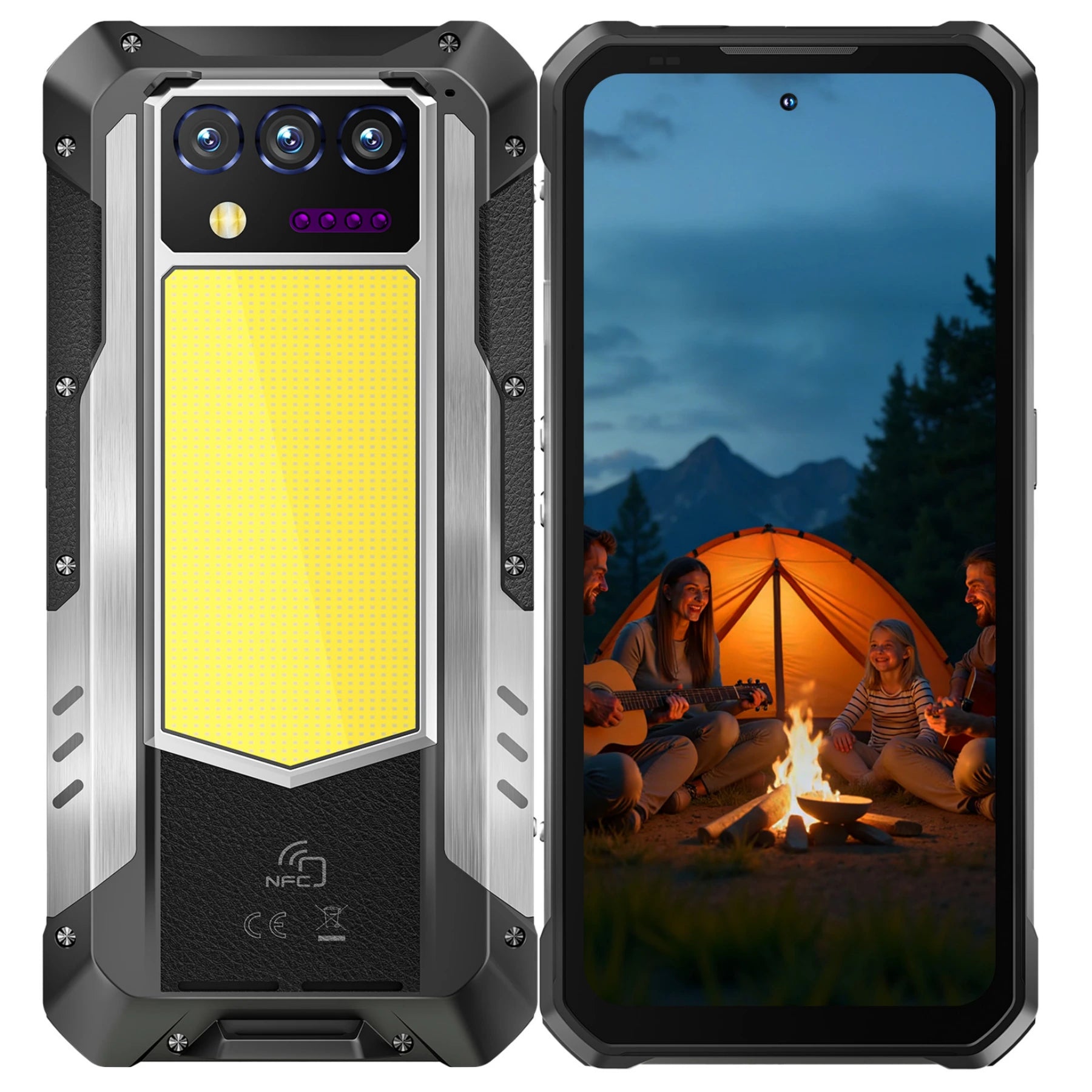
An outlet, appliance, or electrical panel may feel unusually warm before the cause becomes obvious. The OUKITEL WP61 Ultra can support preventive checks by using its built-in InfiRay thermal-imaging camera to compare visible surface-temperature patterns. An unexpected hotspot may help identify an area that requires professional inspection.
Thermal imaging has strict limits. It cannot detect smoke or carbon monoxide, see through walls, confirm that concealed wiring is safe, identify the exact cause of heat, or replace smoke alarms and electrical testing. Reflections, surface materials, distance, and environmental conditions can affect readings. Never use a phone or thermal camera to investigate an active fire, open an electrical panel, or approach energized equipment.
Readers evaluating this type of tool can review OUKITEL's guide to how thermal cameras work, while relying on a licensed electrician for diagnosis and repair.
Prepare an Escape and Communication Plan
A fire escape plan should be simple enough to follow in darkness, smoke, noise, and confusion. Every household member needs to know where to go and what not to do.
Assign Escape Roles and Choose an Outdoor Meeting Place
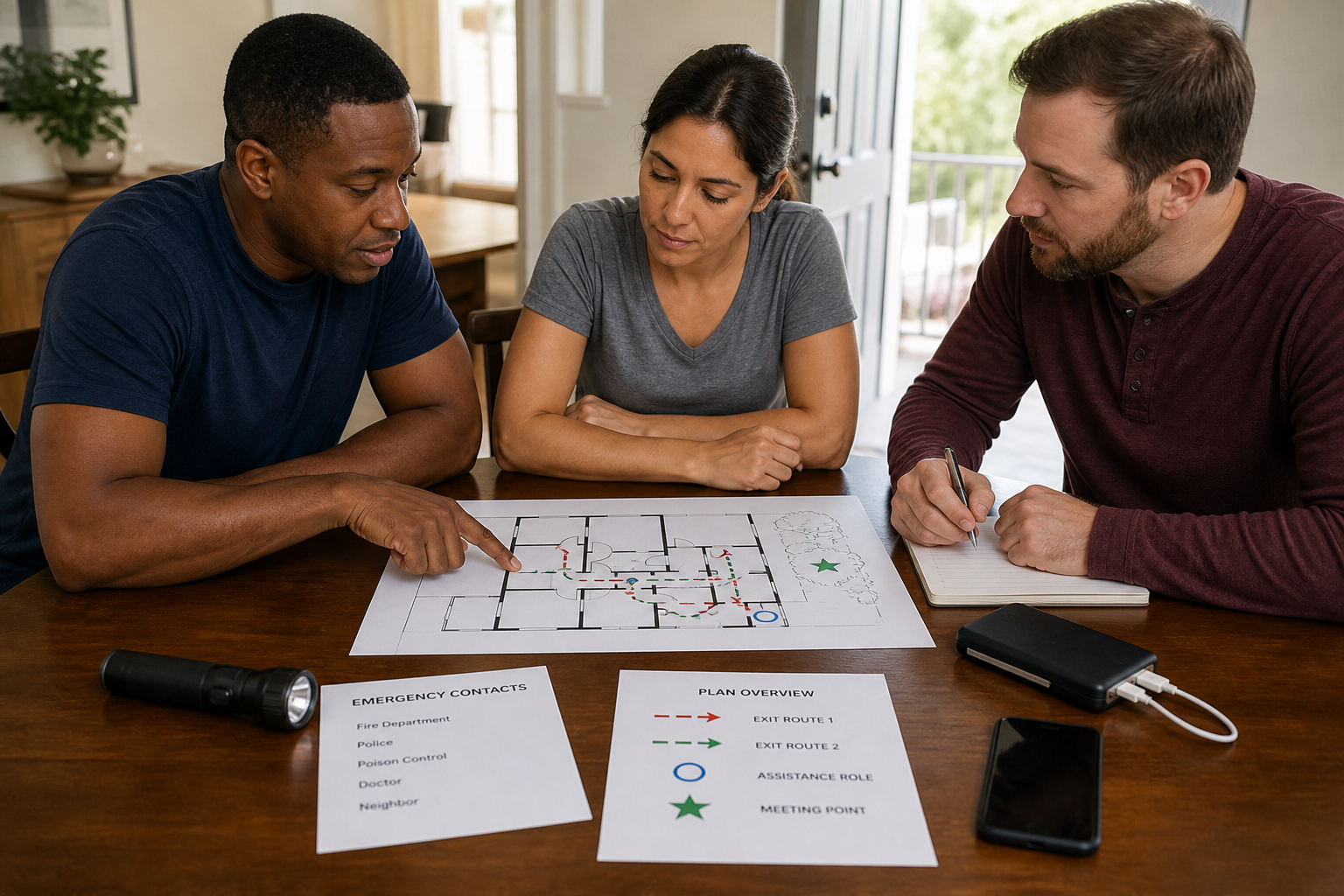
Draw the home's floor plan and mark two possible exits from each room. Choose an outdoor meeting place that is a safe distance from the building and easy for everyone to identify, such as a particular tree, mailbox, or neighbor's driveway.
Assign responsibilities before an emergency:
- Who will assist a young child or family member with limited mobility
- Who will take an accessible phone if it is immediately available
- How service animals will evacuate
- Who will call emergency services
- Who will report missing people to firefighters
The U.S. Fire Administration's home fire escape guidance recommends finding two ways out of each room, keeping doors and windows clear, selecting an outdoor meeting place, and practicing the plan with everyone in the home.
Practice the plan at least twice a year and include a nighttime drill. The objective is to leave quickly, not to collect possessions or complete household tasks.
Save Emergency Contacts and Set Up Multiple Alert Methods
Store the local emergency number, building management contact, utility emergency lines, insurance number, and an out-of-area family contact. Keep a printed copy in the emergency kit because a damaged or locked phone may be inaccessible.
Use multiple alert methods appropriate to the household:
- Audible, interconnected smoke alarms
- Visual alarms or bed-shaking devices
- Carbon monoxide alarms
- Building alarm systems
- Mobile emergency notifications
- A backup phone or power source
Make sure alerts can wake everyone. Test whether alarms can be heard in closed bedrooms and in areas where loud appliances or hearing protection may be used.
During an emergency, communication should remain short and practical. Family members should evacuate to the meeting place rather than calling one another from inside. One person can then contact emergency services and report whether anyone is missing.
Plan for Children, Older Adults, Pets, and Disabled Family Members
Children should know the sound of the smoke alarm and understand that they must leave without hiding. Teach them never to return for toys, phones, or pets.
Older adults and people with disabilities may need additional time, accessible exits, medication, mobility equipment, or assistance. Keep essential devices near the person without blocking the escape route. If someone cannot use stairs, develop a plan with the building manager, local fire department, caregivers, or household members before an emergency.
Include the following in an individualized plan:
- Mobility, hearing, vision, cognitive, and communication needs
- Backup power for essential medical equipment
- Accessible alarms and communication aids
- Assistance roles and backup helpers
- Medication and medical information
- Service-animal or pet supplies
Pets should be included in practice drills, but people must not delay their own evacuation to search for an animal. Tell firefighters what type of pet is missing and where it was last seen.
Respond Quickly When a Fire Starts
Once smoke or flames are present, conditions can deteriorate rapidly. The priority is evacuation, not determining whether the fire can be controlled.
Alert Others, Evacuate, and Call Emergency Services
When an alarm sounds or you discover a fire, warn others and leave by the safest available exit. Call emergency services only after reaching a safe location.
Before opening a closed door, check it carefully for heat using the back of your hand without touching metal hardware first. If the door or handle is hot, or smoke is entering around it, use another exit if available.
Take only items that are immediately within reach and necessary for escape. Do not search for a phone, wallet, medication, or fire extinguisher if doing so delays evacuation.
Close doors behind you when possible without locking them. A closed door may help slow the movement of smoke, heat, and flames, giving other occupants additional time to escape.
Stay Below Smoke and Use the Safest Available Exit
Smoke and toxic gases can be more dangerous than visible flames. If smoke is present, move low beneath it and continue toward the nearest safe exit.
Do not use an elevator. Fire or power loss can stop it between floors, and elevator shafts may allow smoke to spread. Use the designated stairway in an apartment, office, or high-rise building.
If the primary exit is blocked, use the planned alternative. If you cannot escape:
- Enter a room with a window.
- Close the door between you and the fire.
- Block smoke gaps with available material when practical.
- Call emergency services and state your exact location.
- Signal from the window with a light or visible cloth.
- Do not break the window unless necessary, because it may draw in smoke or fire.
Do not jump from an upper floor unless emergency personnel direct you or there is no survivable alternative.
Report Missing People and Never Re-enter the Building
Go directly to the outdoor meeting place and account for everyone. Tell firefighters immediately if a person or pet is missing, where they were last seen, and whether they have mobility or medical needs.
Never re-enter a burning or smoke-filled building. Conditions can change without warning, and a person attempting an untrained rescue may become another victim.
A portable fire extinguisher should be considered only when the fire is small and contained, everyone else is leaving, emergency services have been called, you know how to use the extinguisher, and a clear exit remains behind you. If smoke increases, the fire spreads, or one extinguisher does not control it immediately, leave.
Stay Safe and Communicate After the Fire
The building may remain dangerous after visible flames are gone. Fire can weaken structural components, damage wiring and gas lines, and leave hidden hot spots.
Account for Everyone and Check for Injuries
Remain together at the meeting place unless firefighters direct you elsewhere. Check for burns, smoke inhalation, cuts, and other injuries.
Call for medical help if anyone has difficulty breathing, confusion, chest pain, severe burns, loss of consciousness, or significant smoke exposure. Do not apply ice, grease, or household remedies to a serious burn.
Use short messages to tell relatives that you are safe. Avoid spreading unconfirmed information about missing people, casualties, or the cause of the fire.
Avoid Structural, Electrical, Gas, and Debris Hazards
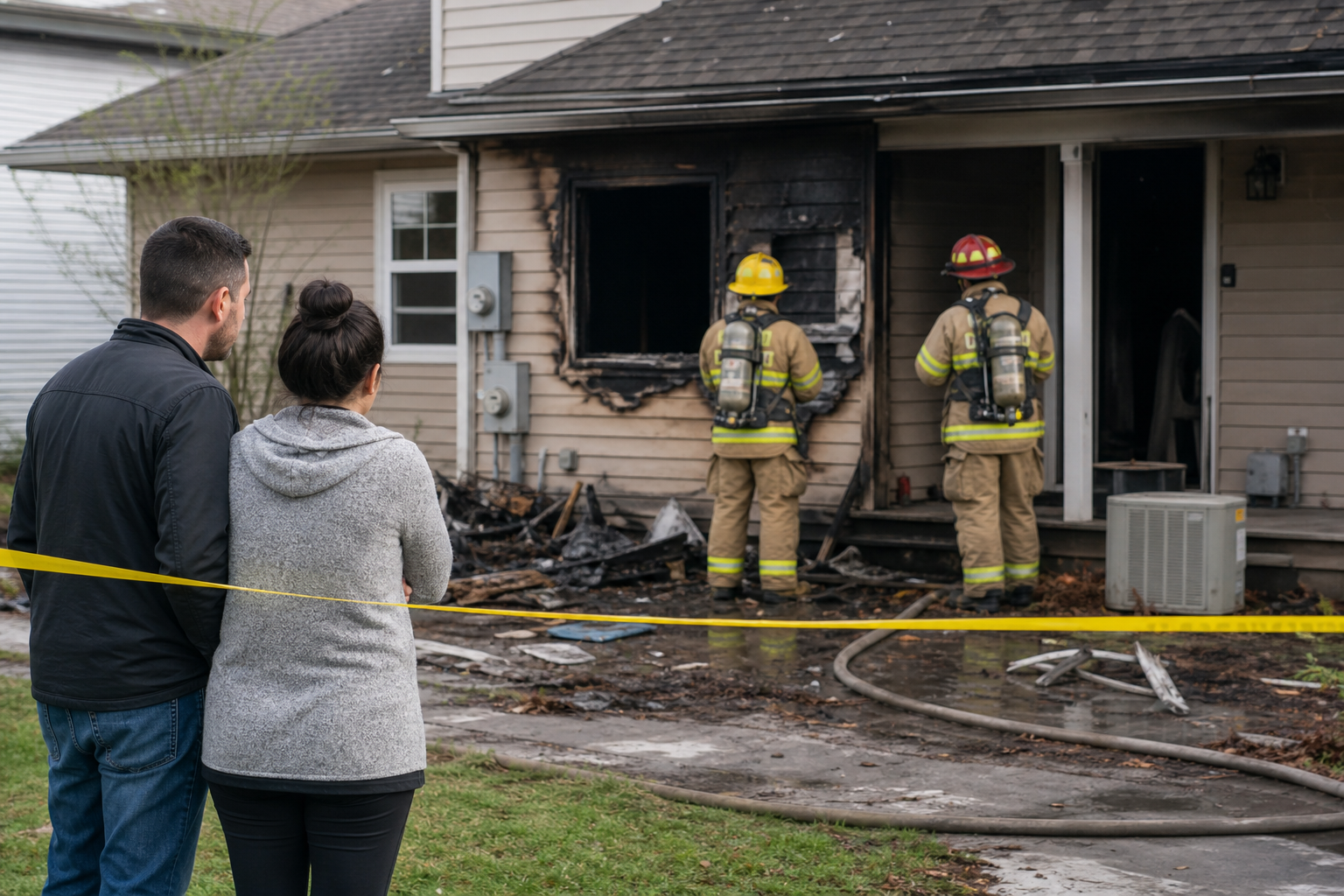
Do not enter the building until the fire department or other responsible authority permits it. Floors, stairs, walls, roofs, and ceilings may be unstable even when damage is not obvious.
Stay away from:
- Fallen or exposed electrical wiring
- Wet electrical appliances and panels
- Damaged gas lines or containers
- Sagging ceilings and weakened floors
- Broken glass, nails, and sharp metal
- Smoldering materials and hidden hot spots
- Contaminated water, ash, or firefighting residue
If you smell gas, leave the area without operating switches, appliances, matches, or lighters. Contact the gas provider or fire department from a safe location.
CDC disaster-cleanup guidance advises staying out of damaged structures until they have been inspected, avoiding sparks when gas may be present, and never using generators or other fuel-burning devices indoors or near doors, windows, and vents. See its post-disaster safety guidance before beginning cleanup.
Follow Official Updates and Document Damage Safely
Follow instructions from the fire department, building officials, utilities, and emergency management agencies. Ask whether the property is safe to enter and whether power, gas, or water service has been disconnected.
When access is authorized, document damage without moving structural debris or disturbing the suspected area of origin. Take wide photographs first, followed by detailed images that can be captured safely.
Record:
- Damaged rooms and belongings
- Temporary accommodation and repair expenses
- Insurance claim information
- Instructions from fire or utility officials
- Items removed for professional cleaning or disposal
Do not reconnect utilities yourself. Use licensed professionals for electrical, gas, structural, and fire-system inspections.
FAQ
Can a Thermal Camera Detect a Fire Inside a Wall?
Not reliably. A thermal camera measures infrared energy from visible surfaces. It may show an unusual surface-temperature pattern, but it cannot see through a wall, identify the source with certainty, or confirm the presence or absence of fire. Call emergency services if fire is suspected.
When Is It Safe to Use a Fire Extinguisher?
Only consider it when the fire is small and contained, everyone else is evacuating, emergency services have been contacted, you have the correct extinguisher and training, and you have a clear exit behind you. Leave immediately if the fire grows or smoke increases.
Should Bedroom Doors Be Closed While You Sleep?
Yes. A closed bedroom door can help slow the spread of smoke, heat, and flames. Working smoke alarms must still be installed in the appropriate locations so sleeping occupants receive an early warning.
What Should You Do if a Pet Is Still Inside?
Tell firefighters the type of pet, its last known location, and likely hiding places. Do not go back inside. Firefighters have protective equipment and training that residents do not.
Conclusion
Effective fire safety combines early detection, practiced evacuation, and clear communication. Inspect electrical, cooking, and heating equipment, maintain working smoke and carbon monoxide alarms, and investigate unusual heat or odors before they develop into emergencies.
Create two escape options where possible, select an outdoor meeting place, and plan for anyone who may need assistance. If a fire begins, alert others, leave immediately, call emergency services from outside, and never re-enter.
Thermal imaging can support limited preventive surface checks, but it cannot replace alarms, electrical testing, professional inspections, or the fire department. After a fire, wait for official clearance and remain alert to structural, electrical, gas, and debris hazards.