
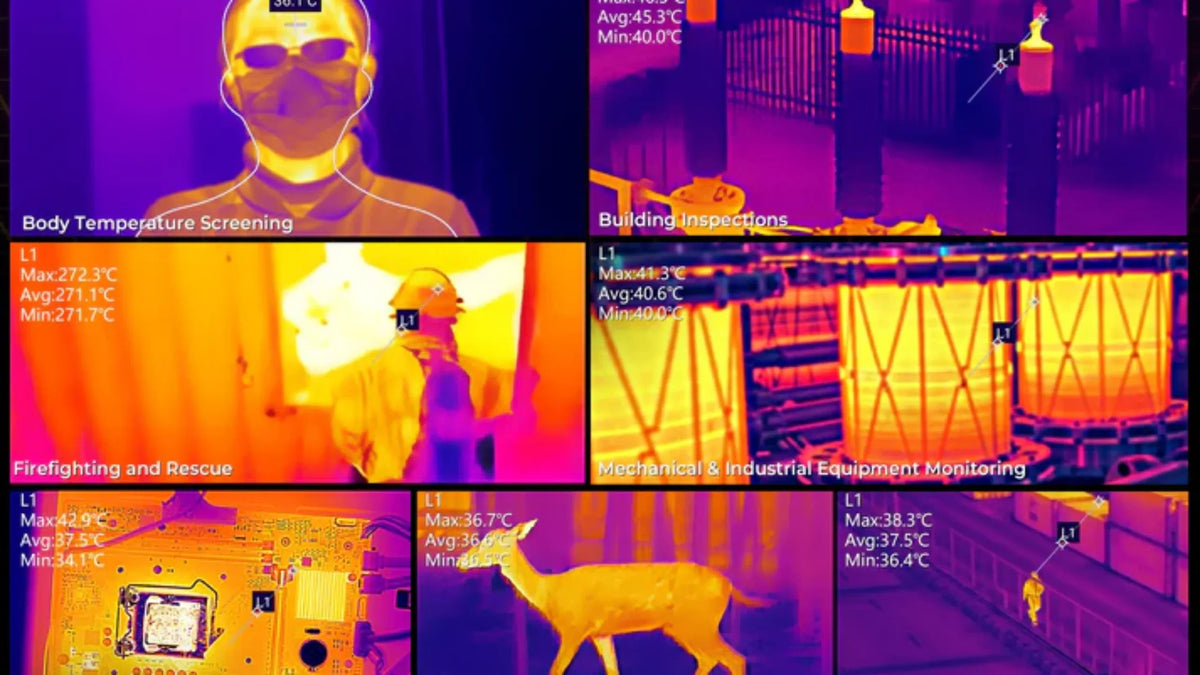
Thermal imaging technology has become more accessible than ever, with rugged smartphones like the OUKITEL WP55 Ultra offering built-in thermal imaging cameras. These devices allow users to detect temperature differences, spot heat signatures, and visualize hot and cold areas even in complete darkness.
Because thermal imaging sounds powerful, a popular question often comes up:
Can a thermal imaging camera phone see through walls?
It’s a common myth, but the reality is far more interesting and far more grounded in physics. This guide explains what thermal imaging really does, what it cannot do, and how rugged phones like the OUKITEL WP55 Ultra use thermal tools for real-world applications.
What Is a Thermal Imaging Camera Phone?
A thermal imaging camera phone is a smartphone equipped with a thermal sensor that measures infrared radiation, the natural heat emitted by objects. The phone’s thermal camera translates this invisible heat energy into a visible color map, allowing users to “see heat.”
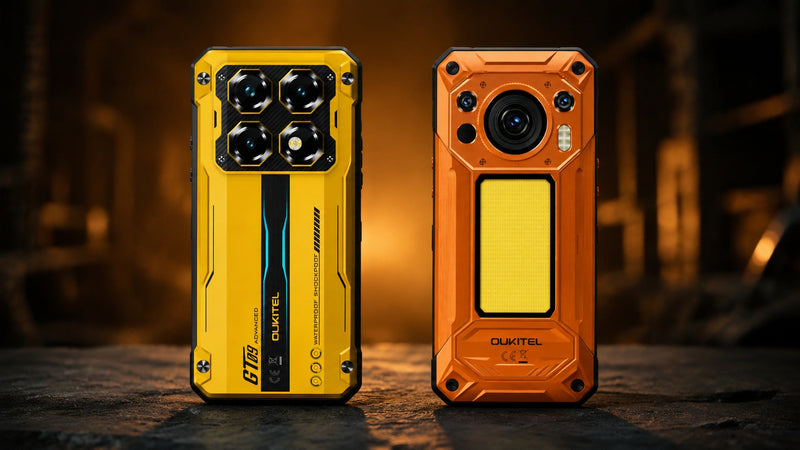
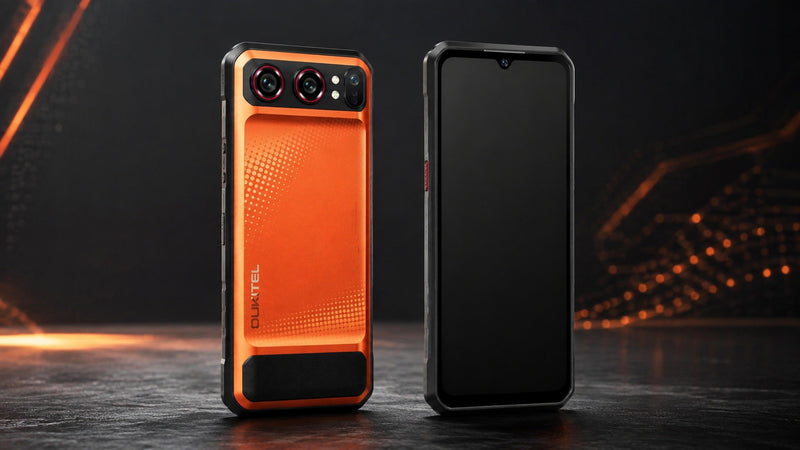
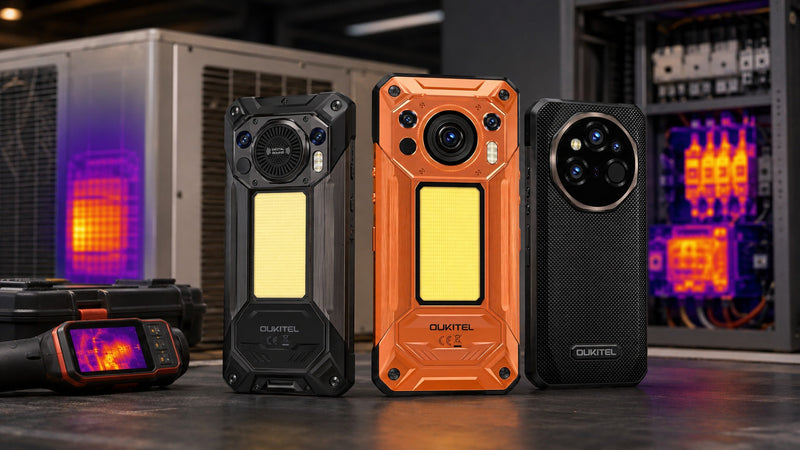
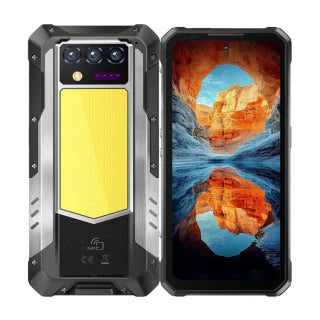
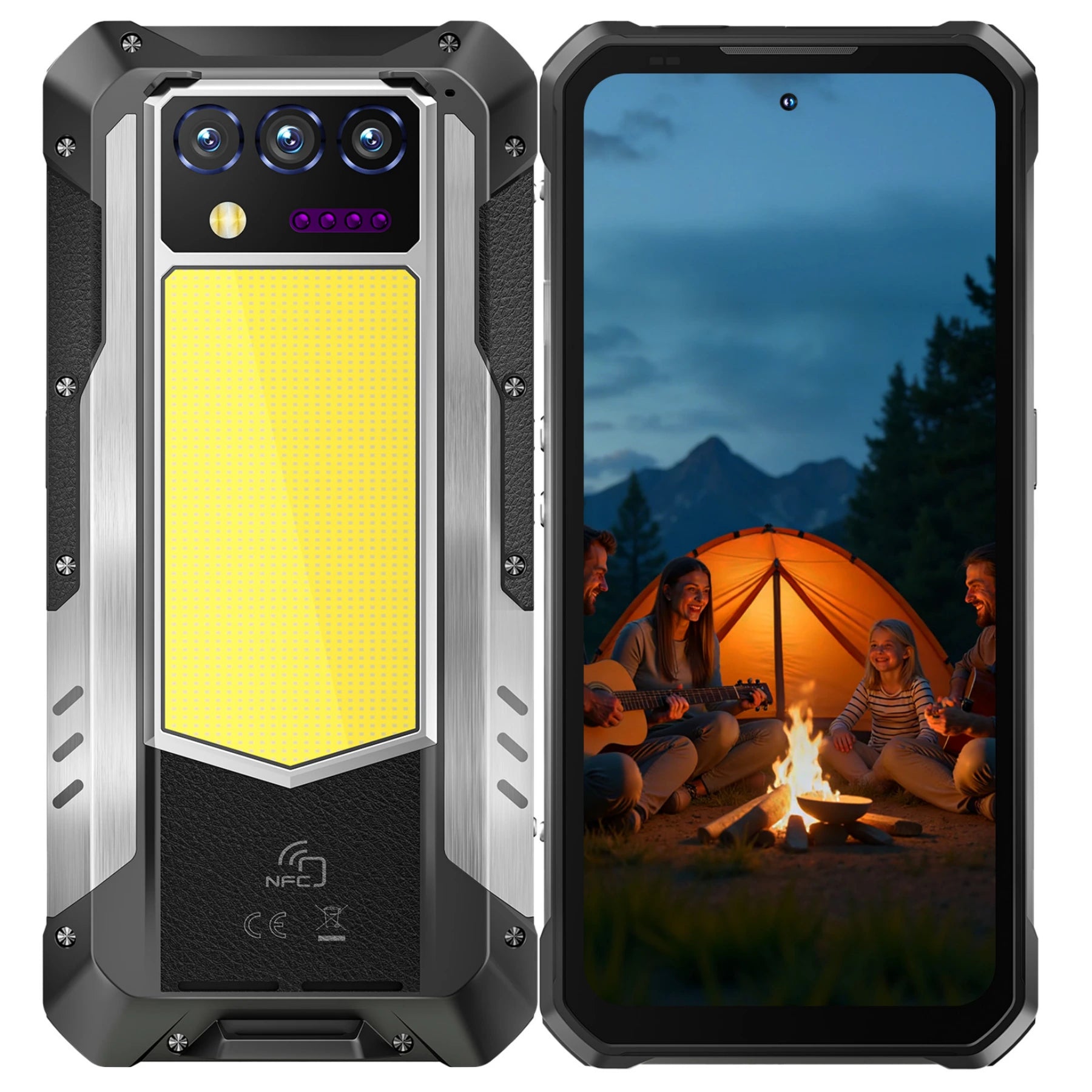
The OUKITEL WP55 Ultra features:
- A built-in thermal imaging sensor
- A 108MP triple camera system
- A large 11,000mAh battery ideal for field work
- A rugged build rated IP68/IP69K with MIL-STD-810H durability
This makes it perfect for technicians, outdoor explorers, inspectors, and security professionals who rely on thermal visualization.
But what thermal cameras don’t do is just as important as what they can.
Myth: Thermal Cameras Can See Through Walls

Fact: They Cannot.
Thermal imaging cameras including the one on the WP55 Ultra cannot see through walls, doors, roofs, metal, or any solid material.
Here’s why:
Walls Block Infrared Radiation
Thermal cameras detect heat on surfaces.
They do not penetrate:
- Drywall
- Wood
- Brick
- Concrete
- Ceramic tile
- Metals
Because these materials block heat signatures, thermal cameras only detect the surface temperature of the wall, not what’s behind it.
Thermal Cameras Are Not X-Ray Devices
Infrared radiation is completely different from X-rays.
- Thermal imaging = measures heat on surfaces
- X-ray = penetrates materials to produce internal images
Smartphones do not and cannot use X-ray technology.
Walls Create Thermal Insulation
Most building materials insulate temperature.
A human body standing behind a wall does not warm the wall enough for a thermal camera to detect.
So no, thermal phones cannot see:
- People behind walls
- Objects behind walls
- Animals inside houses
- What’s inside a safe, bag, or container
But they can detect interesting thermal patterns on walls.
Why People Think Thermal Cameras See Through Walls
The misconception comes from Hollywood movies and misunderstanding how thermal imaging works. In reality:
- You only see heat on visible surfaces, not internal structures.
- There must be temperature contrast for anything to appear.
- Thermal images do not show detailed shapes like optical cameras.
If someone is standing behind a wall, the thermal camera sees only the wall surface their heat does not pass through.
What thermal cameras can detect (real-world uses)

Here are realistic, valuable capabilities of thermal camera phones:
Detect Heat Loss or Insulation Issues
Thermal cameras highlight areas where warm indoor air escapes:
- Drafty windows
- Poor insulation
- Wall gaps
- Cold air intrusion
Great for energy audits and home maintenance.
Identify Overheated Electrical Components
Overheating wires or circuits can create hot spots detectable with a thermal sensor.
This is extremely useful for:
- Electricians
- Safety inspectors
- Facility managers
Spot Hidden Moisture
Wet walls or ceilings often register as cooler regions.
Thermal imaging helps identify:
- Roof leaks
- Plumbing leaks
- Mold-risk zones
Rugged phones like the WP55 Ultra are built for messy environments where moisture inspection is common.
Find Hot or Cold Pipes
Hot water lines appear as warm streaks on walls or floors, while coolant lines appear cold — and although the WP55 Ultra doesn’t see 'through' drywall, it’s sensitive enough to detect the faint temperature ghosting of hot water pipes or overheating electrical cables hidden behind the wall, giving you a superpower-like ability to diagnose problems that would otherwise be invisible.
Useful for plumbers and HVAC technicians.
Detect Animals Outdoors
Lost your cat in the bushes at night? A regular flashlight might miss it, but the WP55 Ultra's thermal camera will make its body heat glow bright orange instantly.Lost your cat in the bushes at night? A regular flashlight might miss it, but the WP55 Ultra's thermal camera will make its body heat glow bright orange instantly.While thermal cameras cannot see animals behind walls, they can detect wildlife outdoors:
- Animals hiding in bushes
- Heat signatures at night
- Search-and-rescue applications
This is a major benefit for hikers, campers, and wildlife researchers.
Locate Equipment Overheating
Thermal imaging is widely used for industrial maintenance:
- Motors
- Bearings
- Generators
- HVAC units
- Factory machines
The WP55 Ultra’s rugged durability makes it ideal for on-site inspections.
Thermal Imaging on a Rugged Phone vs. Professional Thermal Tools
The WP55 Ultra provides strong thermal performance for everyday tasks, but professional-grade thermal cameras can cost thousands of dollars.
Smartphone thermal imaging advantages:
- Portable
- Easy to use
- Always with you
- Works with apps
- Rugged and ready for harsh environments
- Good enough for daily inspection tasks
Professional thermal cameras exceed in:
- Range
- Depth penetration (still cannot see through walls)
- Sensitivity
- Resolution
For most users, however, the WP55 Ultra delivers more than enough capability for real-world applications.
Why Rugged Phones Are Ideal Platforms for Thermal Cameras
Thermal imaging is most effective when paired with rugged durability, and the OUKITEL WP55 Ultra excels for several reasons:
Massive 11,000mAh Battery
Thermal imaging drains power quickly rugged phones with large batteries support long sessions without interruption.
Waterproof, Dustproof, Drop-Resistant (IP68/IP69K / MIL-STD-810H)
Thermal inspections often take place in rough environments:
- Construction sites
- Outdoors
- Basements
- Industrial facilities
Rugged phones thrive where normal phones fail.
Multi-Camera System
The WP55 Ultra combines:
- Thermal imaging
- 108MP main camera
- Night camera
- Macro camera
This lets users capture both visual and thermal evidence.
5G Connectivity
Inspectors and technicians can upload reports instantly.
Reverse Charging
With reverse charging, the phone can power tools or accessories during field work.
Real-World Examples of Using the WP55 Ultra’s Thermal Camera
Here are practical ways people use thermal imaging in rugged smartphones:
Home Maintenance
- Identifying air leaks
- Finding roof leaks
- Checking heating systems
Professional Trades
- Electrical inspections
- HVAC troubleshooting
- Plumbing diagnostics
Outdoor Use
- Locating heat sources in the wild
- Night search and rescue
- Monitoring campsite surroundings
Industrial Work
- Checking machine temperatures
- Spotting overheating issues before failure
These examples show how useful thermal imaging can be without relying on unrealistic expectations.
Thermal Camera Limitations: What They Cannot Do
Even advanced thermal sensors have limits.
Cannot see through walls
Cannot see through glass (glass reflects infrared)
Cannot detect heat behind metal surfaces
Cannot see inside sealed containers
Cannot identify faces through obstacles
Cannot be used as night vision for fully enclosed spaces
Understanding these limits helps users apply thermal imaging correctly.
Frequently Asked Questions
Can a thermal camera phone see through walls?
No. It can only detect surface temperature.
What can a thermal camera see?
Heat differences, surface temperature changes, leaks, and warm/cold spots.
Does the OUKITEL WP55 Ultra have a real thermal camera?
Yes it includes a dedicated thermal imaging sensor.
Can a thermal camera see through clothes or metal?
No. Thermal radiation does not pass through these materials.
Can thermal cameras work in darkness?
Yes thermal imaging does not require visible light.
Why use a rugged phone with thermal imaging?
For durability, long battery life, and reliability in field environments.
Conclusion
The myth is busted:
Thermal imaging phones do not see through walls.
But that doesn’t make them any less powerful. Smartphones like the OUKITEL WP55 Ultra combine a true thermal camera with rugged durability, long battery life, and 5G performance offering practical, real-world capabilities for professionals, homeowners, and outdoor users.


Leave a comment
Your email address will not be published. Required fields are marked *